
While it often takes some time and a bit of research, making interior paint colors flow from room to room is not something out of reach for the do-it-yourself designer. This project will help you understand how you can use color effectively to create harmony in your home.
How to Connect Rooms with Cohesive Color Flow
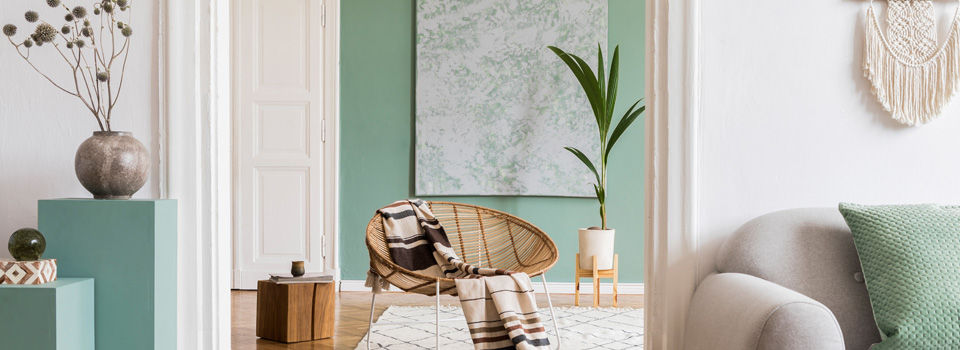
Beautiful interior design calls for harmonious use of color. Adjoining rooms painted in colors that clash can have an undesirable effect. Create flow between rooms by using a color scheme that smoothly brings your rooms together in a unified way.
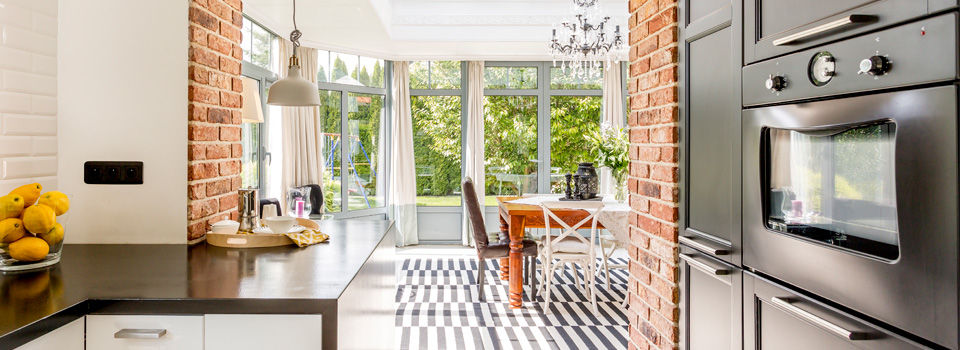
Don’t just start painting. Explore your choices. Know what kind of effect you’re going for and how you can accomplish it. If you’re not sure what colors you want to use, look at design and decorating magazines, websites, and books for ideas. Is there a particular color that already works in one room and will serve as an accent or a background color elsewhere? You can use one color as a unifying theme throughout the rooms, while giving each room its own personality with color accents. View the adjoining spaces together, not as separate entities, when you’re planning out your design.
Your local True Value hardware store’s Certified Color Experts can answer questions you have about paint color and use your preferences to point you in the right direction. Bring in ideas and pictures of interiors you like. While you’re there, you can pick up a Custom Mixed Color Sample to try a few colors on your walls at home. The sample allows you to paint a small space and then live with different options for a few days before making a final decision. You can also pick up Idea Cards that have predetermined palettes ready for you.
Step 2: Choose a Color Scheme
There are three basic color schemes. Each has its own effect, but it’s up to you to decide what you do to connect your rooms with color. Remember, you need to keep your color scheme in mind not only for how it will flow into adjacent spaces, but also for how it works in each room.
Monochromatic Colors
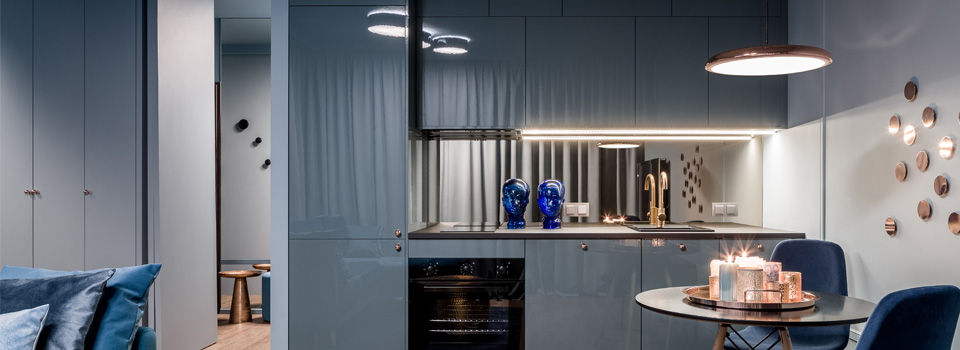
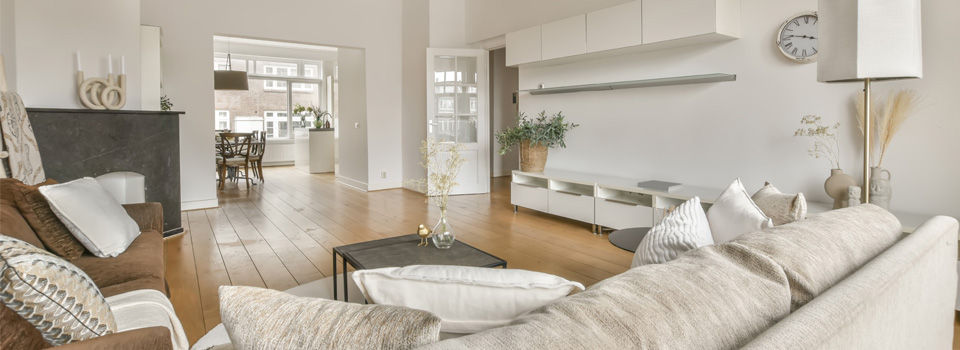
Monochromatic schemes use shades of the same color to create a sophisticated and elegant look. Colors from the same color family look great together. Neutral colors in the brown or gray family are a good choice. Apply different shades or values of that color throughout the areas of your home that you are trying to connect. This approach is popular because it allows you to vary the looks of your rooms but still keep a coherent style. You can add a unique feel to rooms by changing accents and accessories. Add interest to different rooms by using a variety of textures on the floor, walls, and furniture. Different textures create great visual interest in a monochromatic color scheme.
Analogous Colors
Developed from colors next to each other on the color wheel, an analogous color scheme offers more nuance while retaining the elegance of the monochromatic scheme. Usually, one color is dominant while others are used to enrich the effect. It’s not ideal to use more than three colors unless you have a very large space to paint. A color scheme composed of related colors — greens with blues or rose and peach — are two good examples. Keep the strength of the colors similar for a pleasing effect that bridges rooms.
Complementary Colors
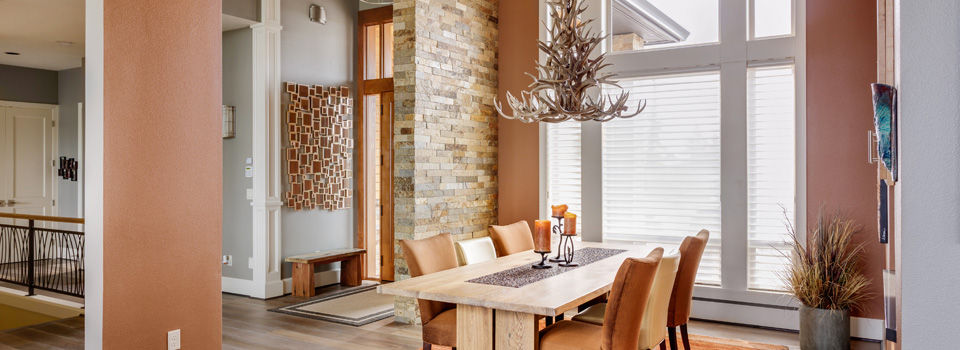
Complementary colors are opposite each other on the color wheel. Complementary colors enhance the temperature of each other, which adds interest and energy to your décor. An example of a complementary scheme would be using a warm color against a cool shade or to add contrasting accessories to highlight the color of your walls. Use colors that strongly contrast one another (but don’t clash) to create a stimulating, lively environment. For example, consider a beach palette of sunset oranges against sea blues. When using a complementary color scheme, remember to choose one dominant color and use its complementary color for accents. A complementary color scheme creates excitement and impact.
Step 3: Choose Your Palette
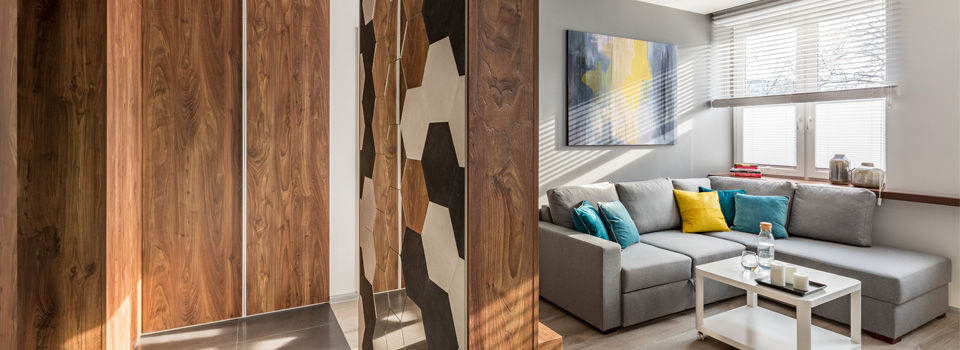
Your home palette should consist of at least three, but no more than five favorite colors. Check to see how they might look in the space. Paint samples in small areas or tape swatches on the walls to see how they will look. Decide which color or hue might work best in a prominent role across all of the adjoining rooms and which ones might be more likely background colors or hues. Do any colors work as transitions from one room to the next? Consider furnishings and accessories in each room and use their colors and textures as a guide. The colors you pick should be used in varying amounts from room to room. As a general rule, lighter colors should be used as backgrounds. If the prominent color seems too vivid, you can blend in a touch of gray or white to subdue it.
Helpful Tips
Take into consideration the various wood finishes present in your rooms, such as on trim, when planning.
Using various combinations of your chosen colors can create a different feeling in each room. By rotating the three colors, you can place greater emphasis on the background or the furniture.
Always check how the colors you choose look in both natural and incandescent light, during both the day and night.
Keep in mind the things you will not change, such as a fireplace or other architectural features in your rooms, and adjust your color choices to enhance or diminish the existing room feature.
Step 4: Create a Color Flow
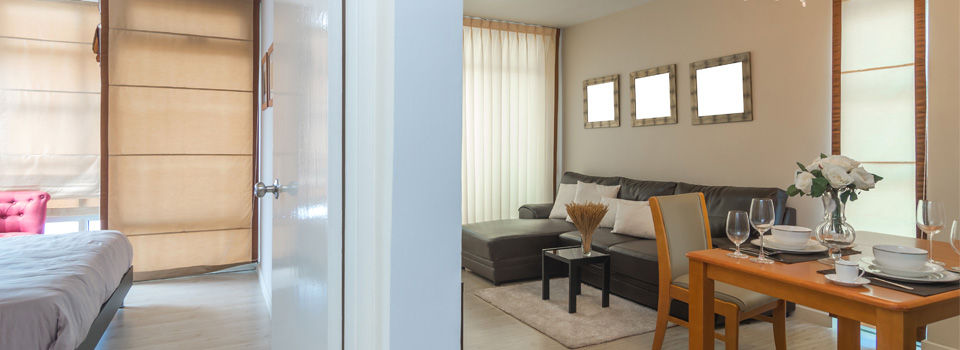
The smoothest transition is between two colors or hues that are closely related and are similar in tone (brightness or darkness). If you have open spaces where adjacent rooms flow into one another, without doors or other partitions, you can choose one color as your prominent color and then paint the adjacent room in the same color, but a shade or two lighter or darker, using the monochromatic color scheme. A good example would be when you have a living room that connects to a dining room, or if your kitchen flows into the dining area. Painting each room a different shade of the same color defines each room as a separate space but provides the feeling that they are connected.
Helpful Tip
When using different hues of the same color, paint in the lighter shade in the room that gets the most natural light for an open feeling.
If there is no partial wall or similar partition to use as a natural divider between rooms, you can connect rooms by using the same trim color in both rooms.
Helpful Tip
Use a shade of white paint on trim and baseboards that matches well with the wall colors in all the rooms that connect to produce a cohesive effect. You can mix a small amount of the background color into your trim color for ideal harmony.
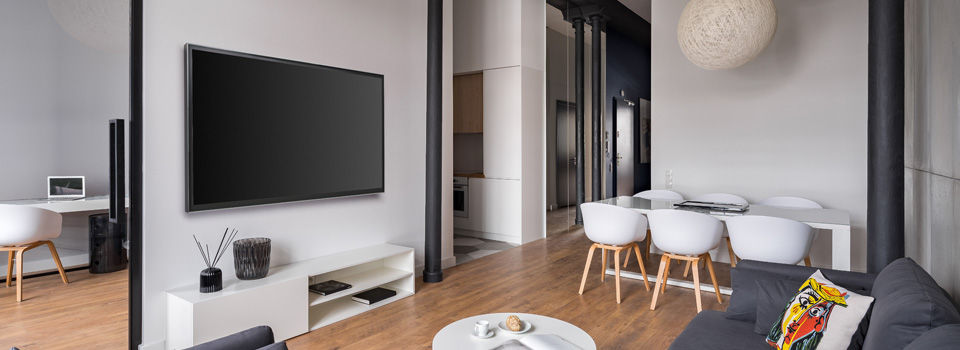
If you’re using analogous or complementary color schemes, be sure to use the same color tone from room to room. They must all be bright colors or muted colors so that they don’t clash or fight each other. The key, when working with these two color schemes, is to bring colors from one room into the other room. To help provide color continuity, bring accent and décor colors, found on artwork or rugs, into an adjacent room. You can also use the same accent or background colors in both rooms, if they both work with each room’s predominant color. An example would be if you paint adjoining rooms in contrasting colors, you could connect the rooms using area rugs that include both colors or match them enough so that the eye makes the connection.
Step 5: Start Painting
Now that you’ve done your homework, it’s time to get started. Remember, you can’t always jump straight into painting — do the prep work first. You need to make sure surfaces are ready to be painted, and you should consider priming walls first. For in-depth how-to advice about painting a room, check out our Paint a Room project.
Congratulations! Now you’re well-equipped to connect your rooms using color
Project Shopping List
Here’s what you’ll need to complete this project successfully.
- Drop cloths
- Painter’s tape
- Mild detergent
- Water
- Sponge
- Cloth
- Spackling compound
- Acrylic caulk
- Fine-grit sandpaper
- EasyCare Ultra Premium Interior Primer/Sealer
- Paintbrush
- Roller applicator
- Roller cover
- Extension pole
- EasyCare Ultra Premium Interior Paint
- Paint tray
- Plastic bags
- Mixing bucket
Related Articles
How to Paint an Outdoor Planter or Trellis
Learn how to paint your outdoor planter or trellis in an easy and inexpensive way to customize your patio, deck or garden.
Learn more
Four Tips to Design a Budget-Friendly Curated Gallery Wall
Learn four expert tips to design a budget-friendly curated gallery wall that showcases your style without overspending. This True Value guide helps you plan layouts, mix frames, and use affordable art ideas to elevate your home décor.
Learn more
Holiday Ornaments with Spray Paint
Create custom holiday ornaments quickly using spray paint and simple materials in this festive DIY guide from True Value. Learn easy techniques to transform plain ornaments into stylish, personalized décor for your tree or seasonal displays.
Learn more
From Blah to Beautiful: My Front Door Paint Job
I live very close to my parents, so I pop over quite a bit during the week. Every time I go to their house I’m met with this wooden door in a brick/terracotta shade that has been like this for decades!
Learn more
How to Stain Concrete
5 Steps - Learn about staining concrete surfaces including floors including prep work, applying stain and sealant with this DIY guide from True Value.
Learn more