
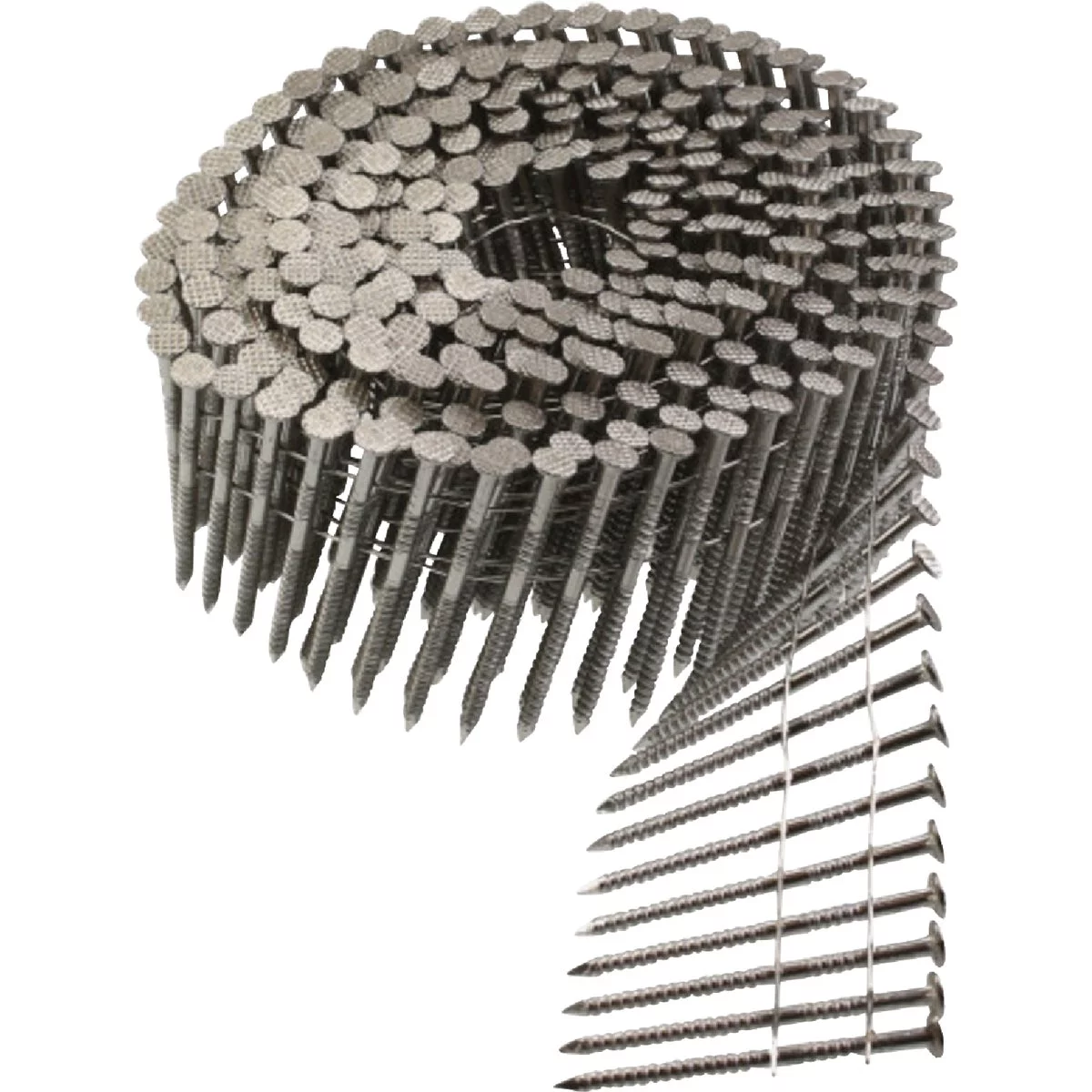
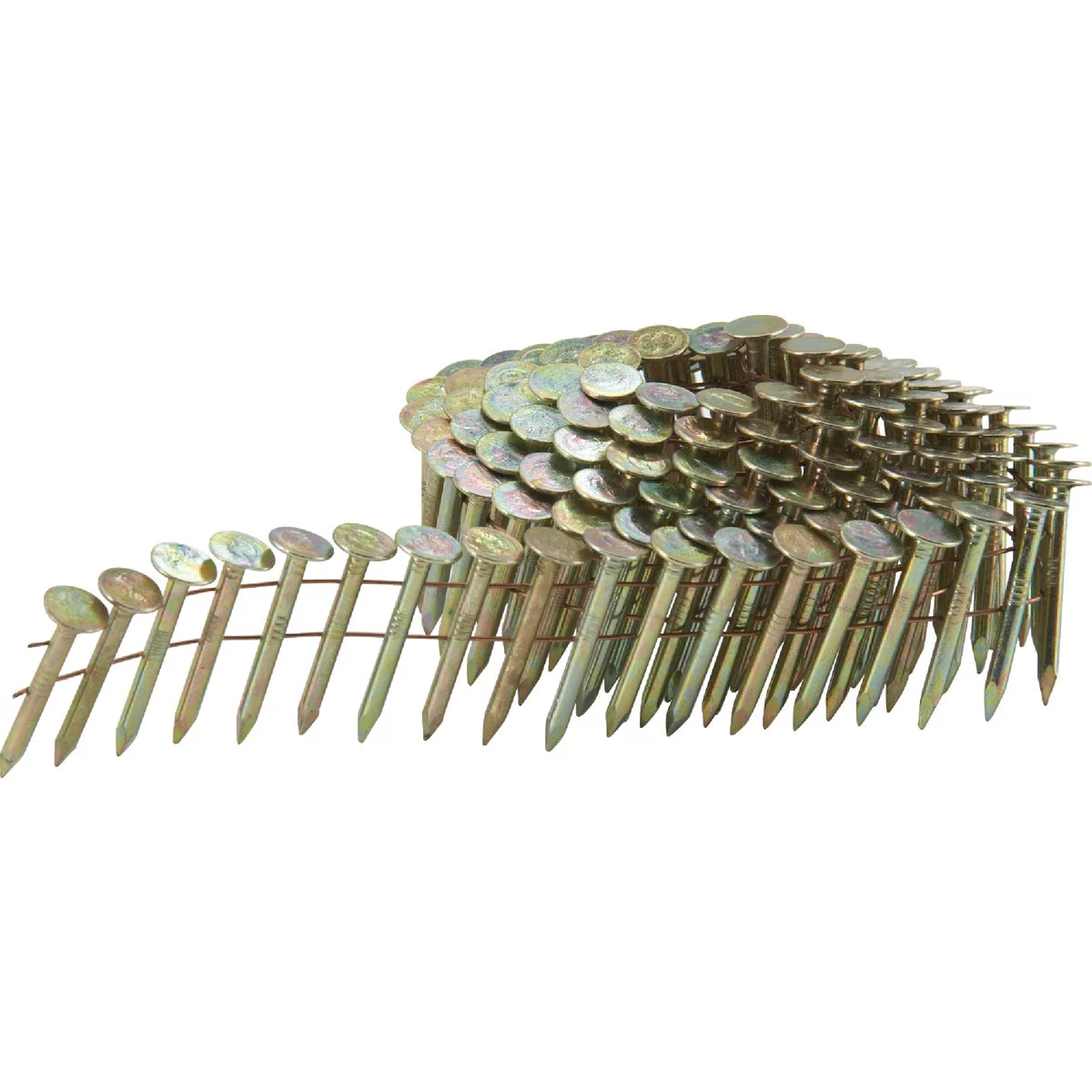
Collated Nails: High-Performance Fastening
Collated nails are essential for professional construction, providing efficiency and precision in framing, siding, roofing, flooring, and finishing applications. These nails are designed for use with nail guns, ensuring a continuous workflow with minimal reloading. Choosing the right type of collated nails depends on the material, angle, and intended application.
Collated Nail Materials: Paper vs. Plastic
Collated nails come in different collation types, primarily paper and plastic, affecting performance, durability, and application.
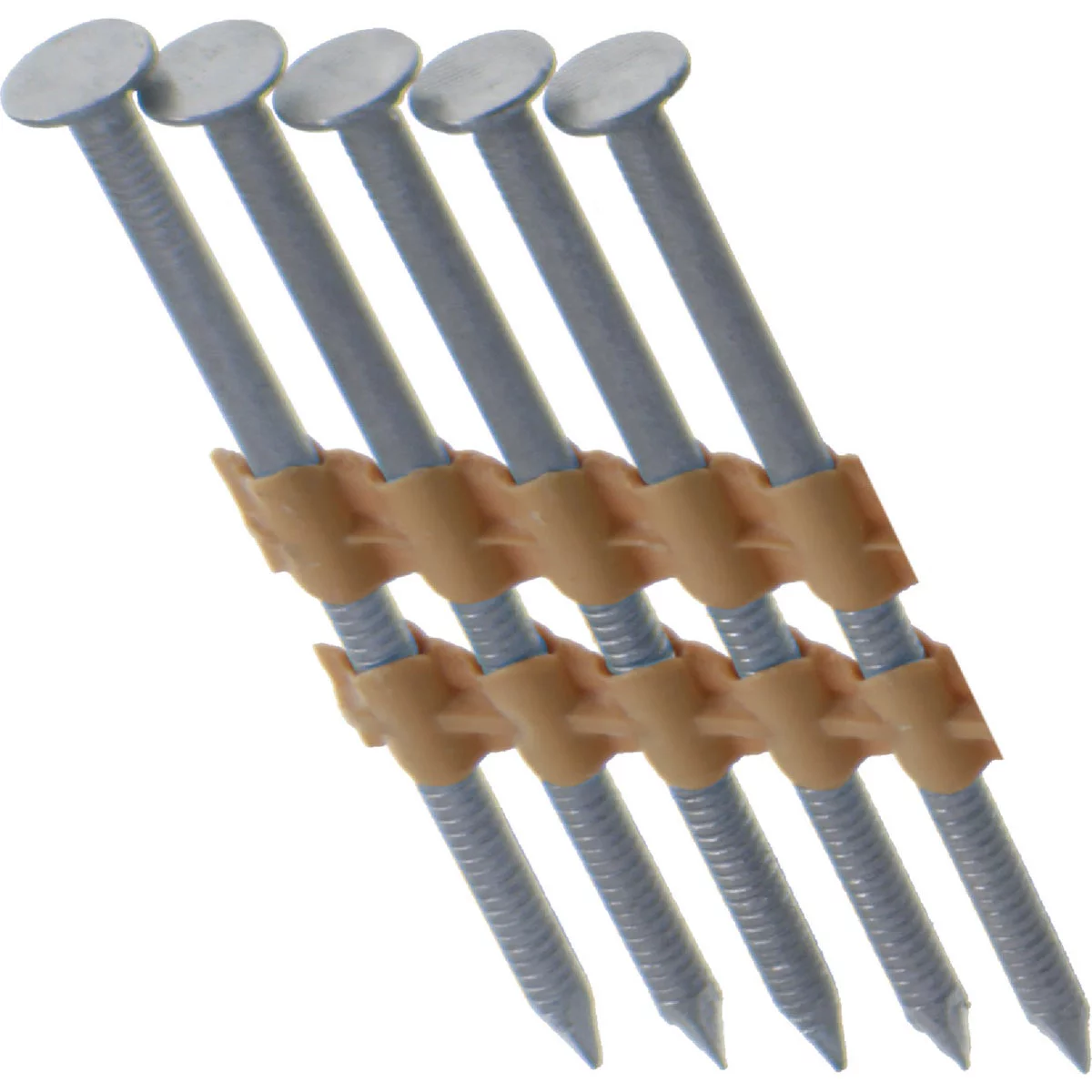
- Paper collated nails: Common in framing nailers, these nails are held together with paper tape. They reduce tool wear and leave minimal debris after firing, making them a preferred choice for indoor work and wood framing. Various 30-degree nails, including 30-degree paper collated framing nails and 30-degree plastic collated nails, are widely used due to their compatibility with numerous cordless and pneumatic nail guns.
- Plastic collated nails: Typically found in roofing nailers, plastic collation offers increased moisture resistance. However, they produce plastic debris when fired, which must be managed on-site.
Understanding Nail Angles: 21°, 30°, and More
Nail angle determines compatibility with specific nail guns. Selecting the correct angle ensures proper feed and firing efficiency.
- 21° collated nails: Used in strip nailers, these nails are ideal for framing, siding, and decking applications. They provide a strong hold and are compatible with most nailers.
- 30° collated nails: These nails, available in both paper collated and plastic collated versions, are designed for high-capacity framing nailers. The 30-degree angle allows for a more compact magazine, improving accessibility in tight spaces. This category includes a variety of options such as 30-degree paper collated framing nails, 30-degree plastic collated nails, and 30-degree metal connector nails, all offering superior holding power and efficiency.
- Other angles: Collated nails for roofing, siding, and flooring may vary in angle depending on manufacturer specifications and application.
Types of Collated Nails and Their Applications
Different types of collated nails cater to specific construction needs. Selecting the correct type ensures secure fastening and long-lasting results.
- Framing nails: Used for structural framing, deck building, and general construction. Available in both paper and plastic collation.
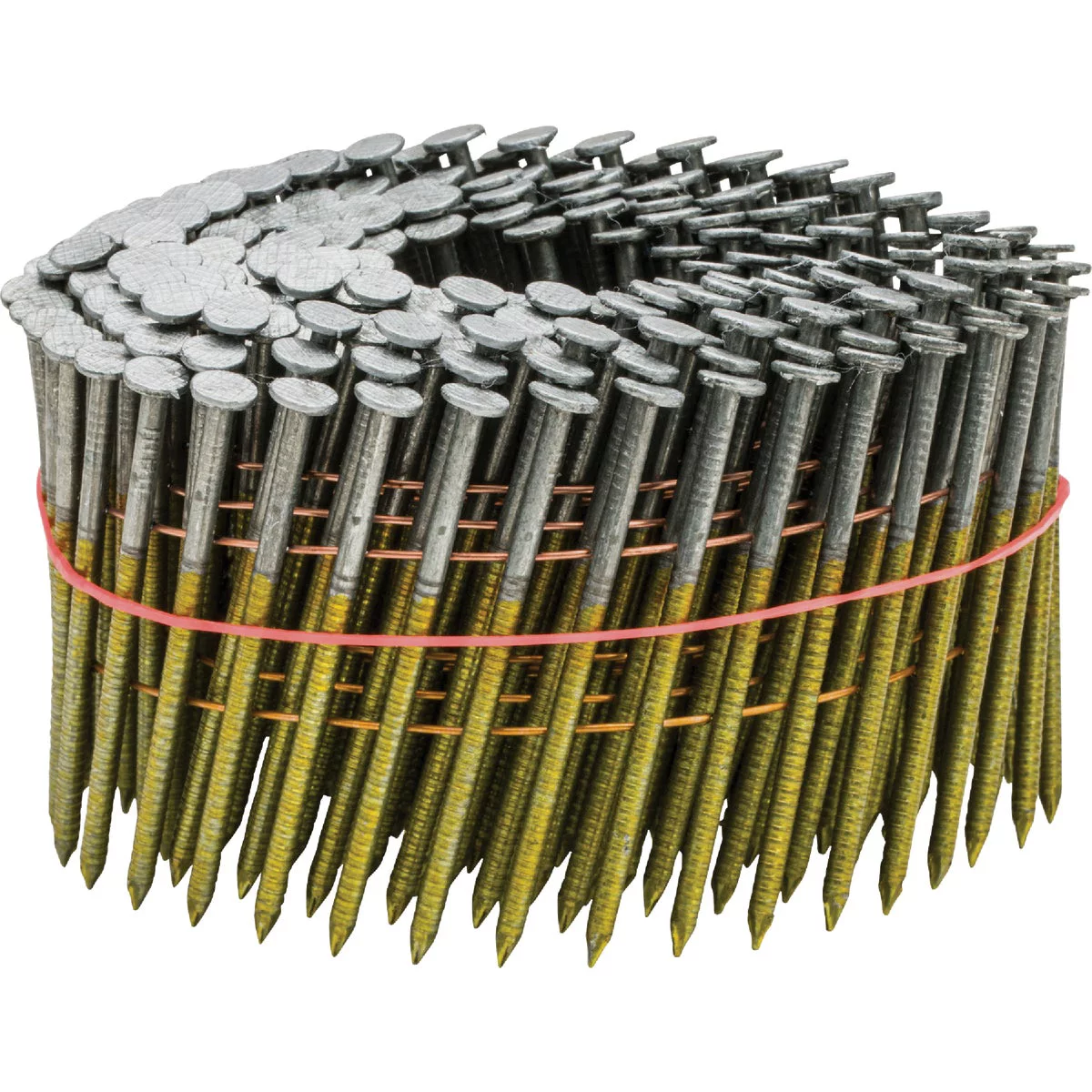
- Roofing nails: Shorter nails with large heads are designed for securing shingles and roofing materials. Used with roofing nailers for rapid installation.
- Siding nails: Corrosion-resistant nails designed for attaching siding panels to wooden substrates. Their coating enhances grip strength and longevity.
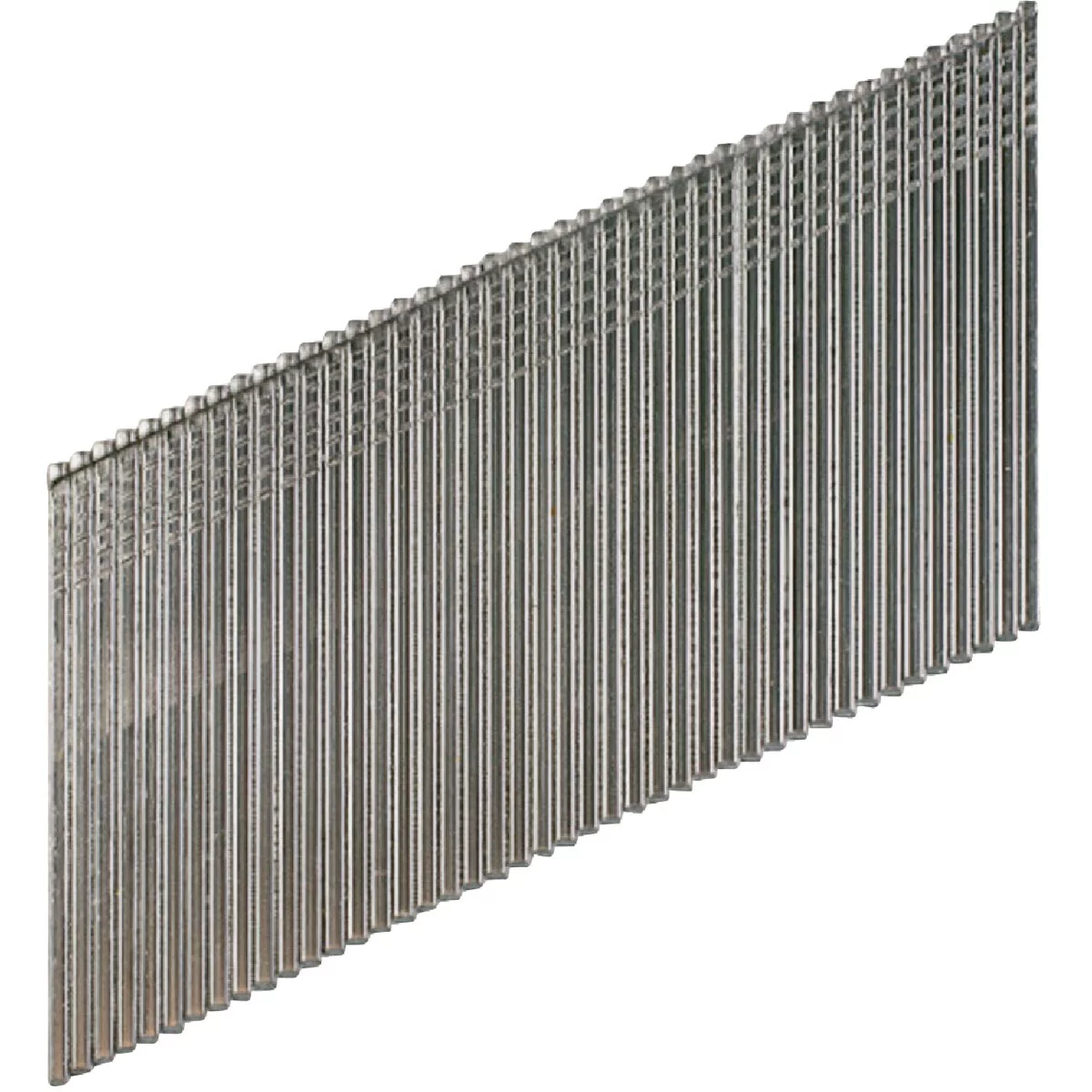
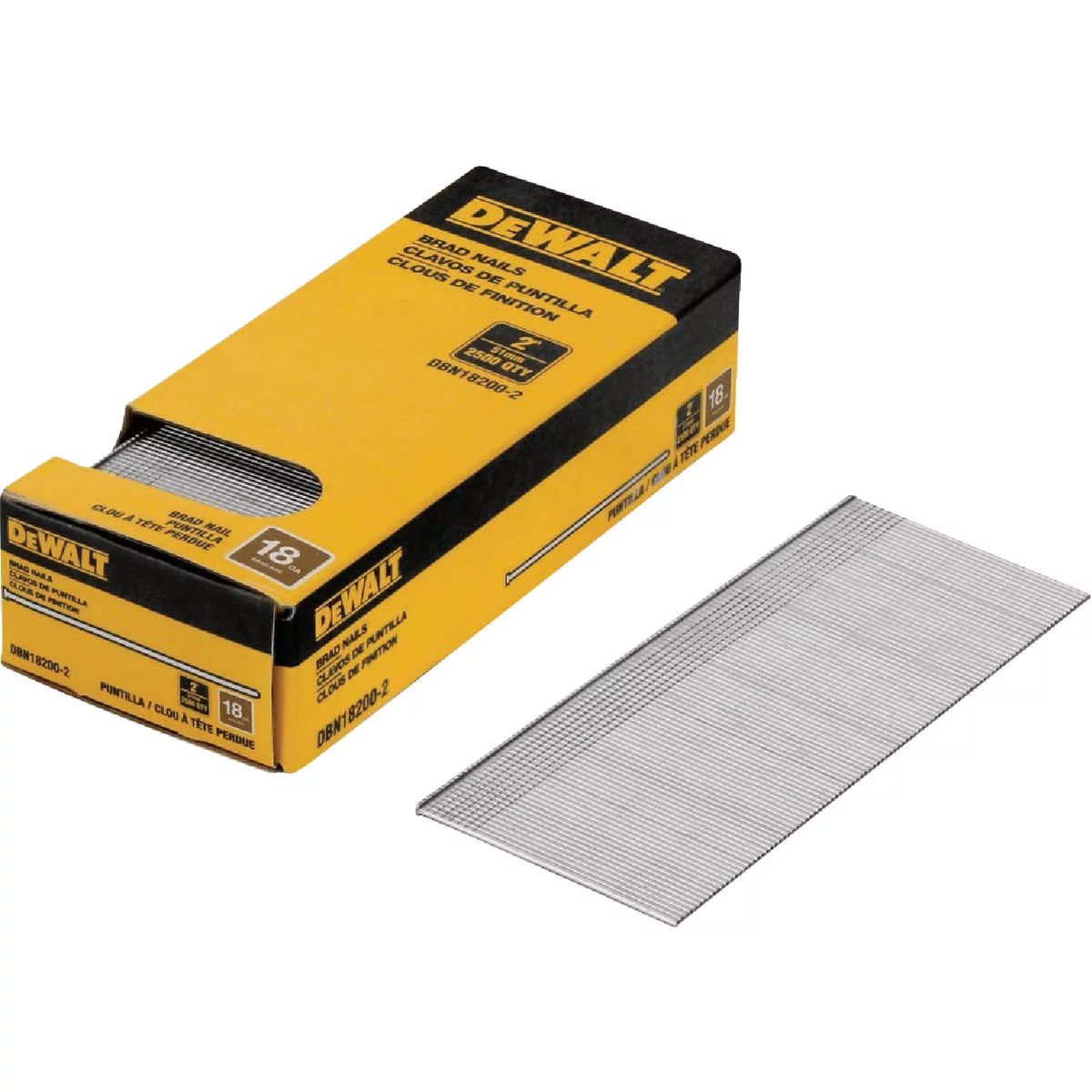
- Finish nails and brad nails: Used for trim work, cabinetry, and interior finishing. Compatible with finish nailers, they provide a clean, professional appearance.
- Pin nails: Ultra-thin nails for detailed woodworking, moldings, and fine carpentry.
- Connector nails: Specifically designed for fastening metal connectors and framing hardware to wooden structures.
- Flooring nails: Engineered for flooring installations, these nails offer superior grip and minimize wood splitting.
FAQ
Collated nails are fasteners held together in strips or coils for use in nail guns. They enable rapid installation in construction and woodworking projects.
Paper collated nails are held together by a paper strip, reducing tool wear and leaving minimal debris. They are common in framing nailers.
Plastic collated framing nails use plastic strips to hold nails together. They provide moisture resistance but leave plastic fragments when fired.
Yes, but only if the nail gun supports paper collation. Paper collated nails are preferred for indoor applications, while plastic collated nails are better for moisture-prone environments.
To load collated nails, open the magazine, insert the nail strip in the correct orientation, and close the magazine securely. Always follow the manufacturer’s guidelines.
No. Rusted nails can weaken the connection and damage the nail gun. Always use corrosion-resistant nails for durability.