
Types of Rakes and Their Uses
There are four main types of rakes, each designed for specific yard maintenance tasks. Rake type, tine material (plastic, fiberglass, etc), and handle length impact usability. Ergonomic features like grip style and weight enhance comfort.
Rake Type | Image | Features | Tasks |
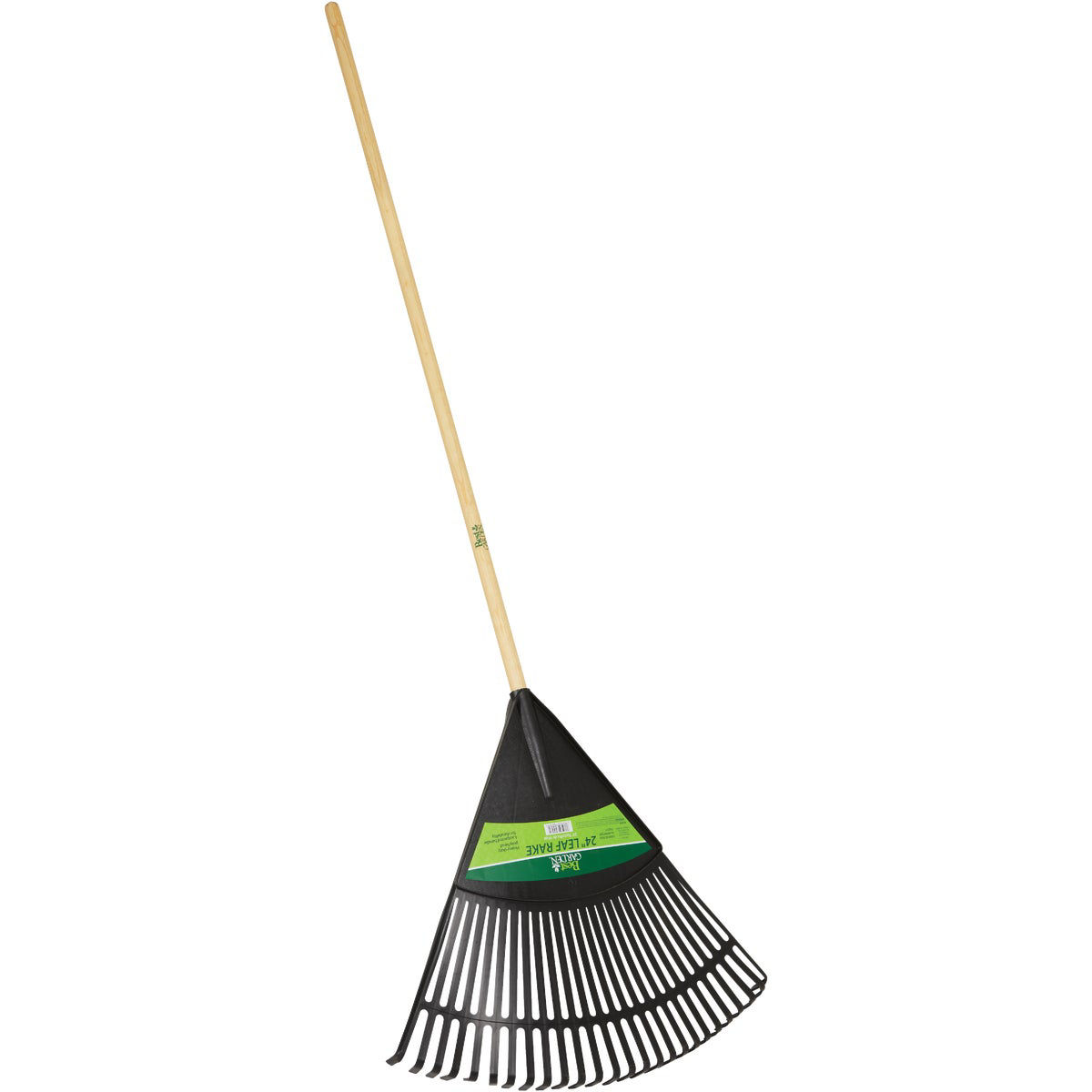 | Long wood or fiberglass handle, lightweight polypropylene or steel head with curved shape and angled teeth. | Gathering leaves and debris, thatching. | |
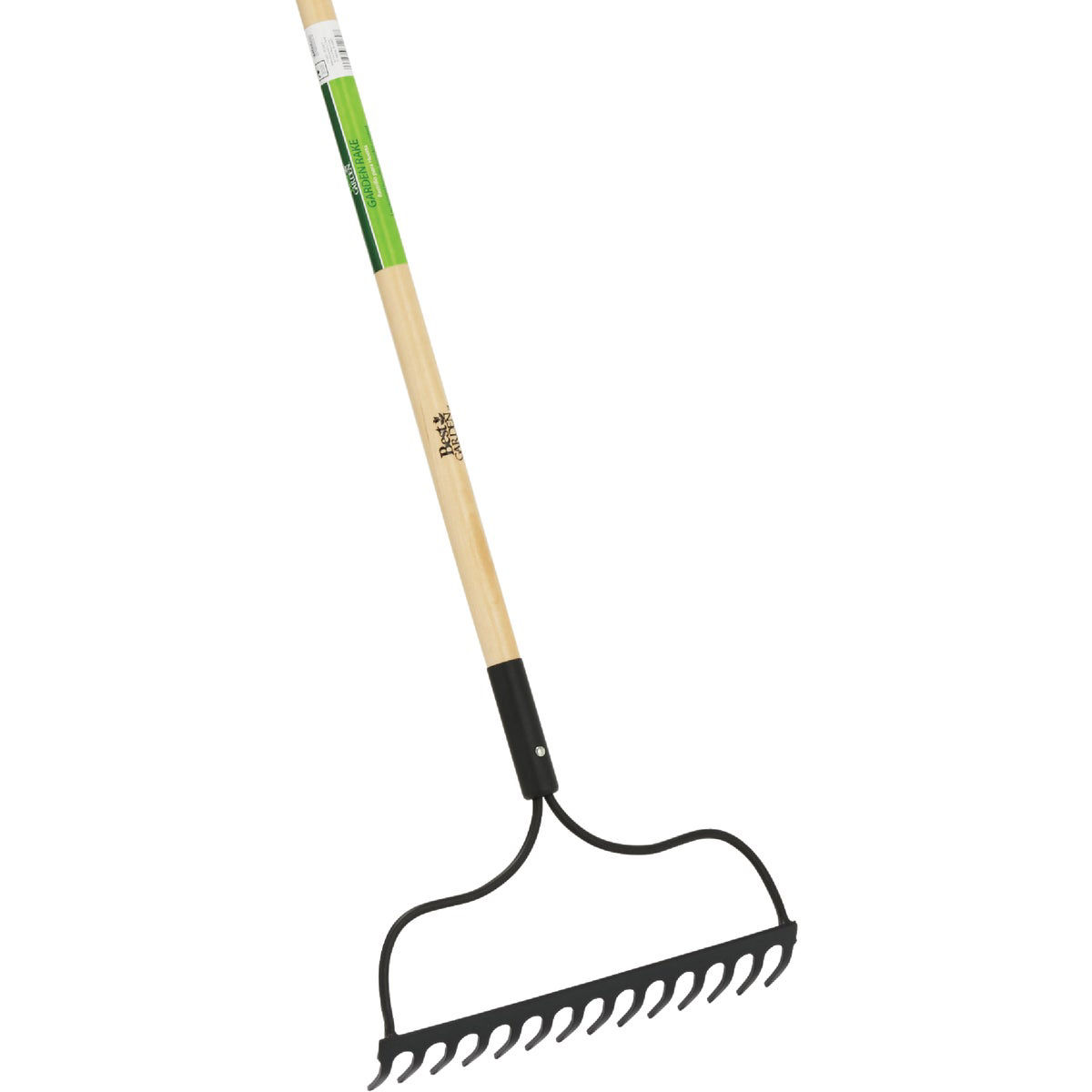 | Wood or fiberglass handle with powder-coated steel head: bow or level head shape. | Leveling dirt, breaking up soil, spreading mulch, and planting bed preparation. | |
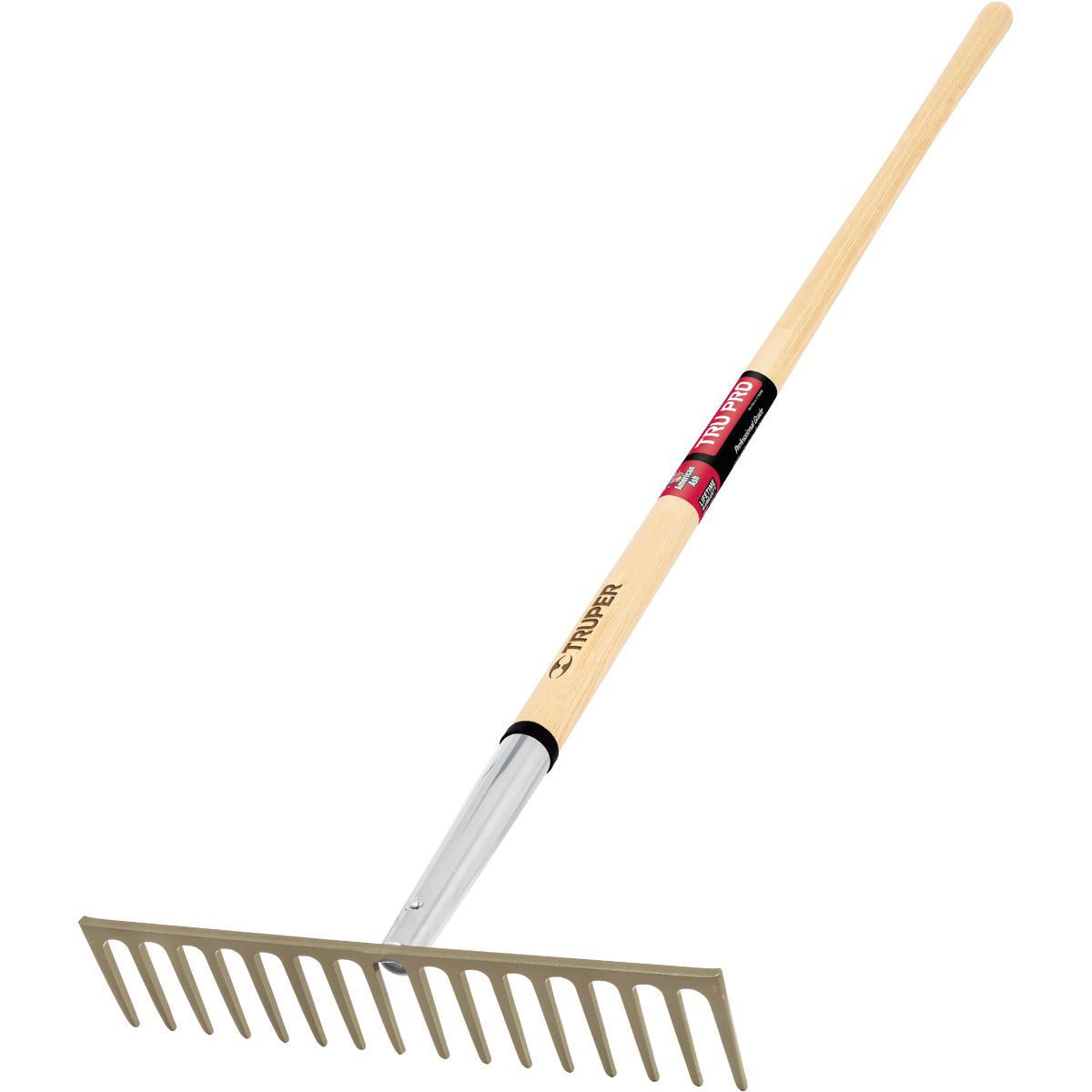 | Wood or fiberglass handle. Lightweight polycarbonate, aluminum, or carbon steel head with sharp tines. | Removing thatch and dead grass, leveling grade, creating new planting beds, and spreading material like asphalt and gravel. | |
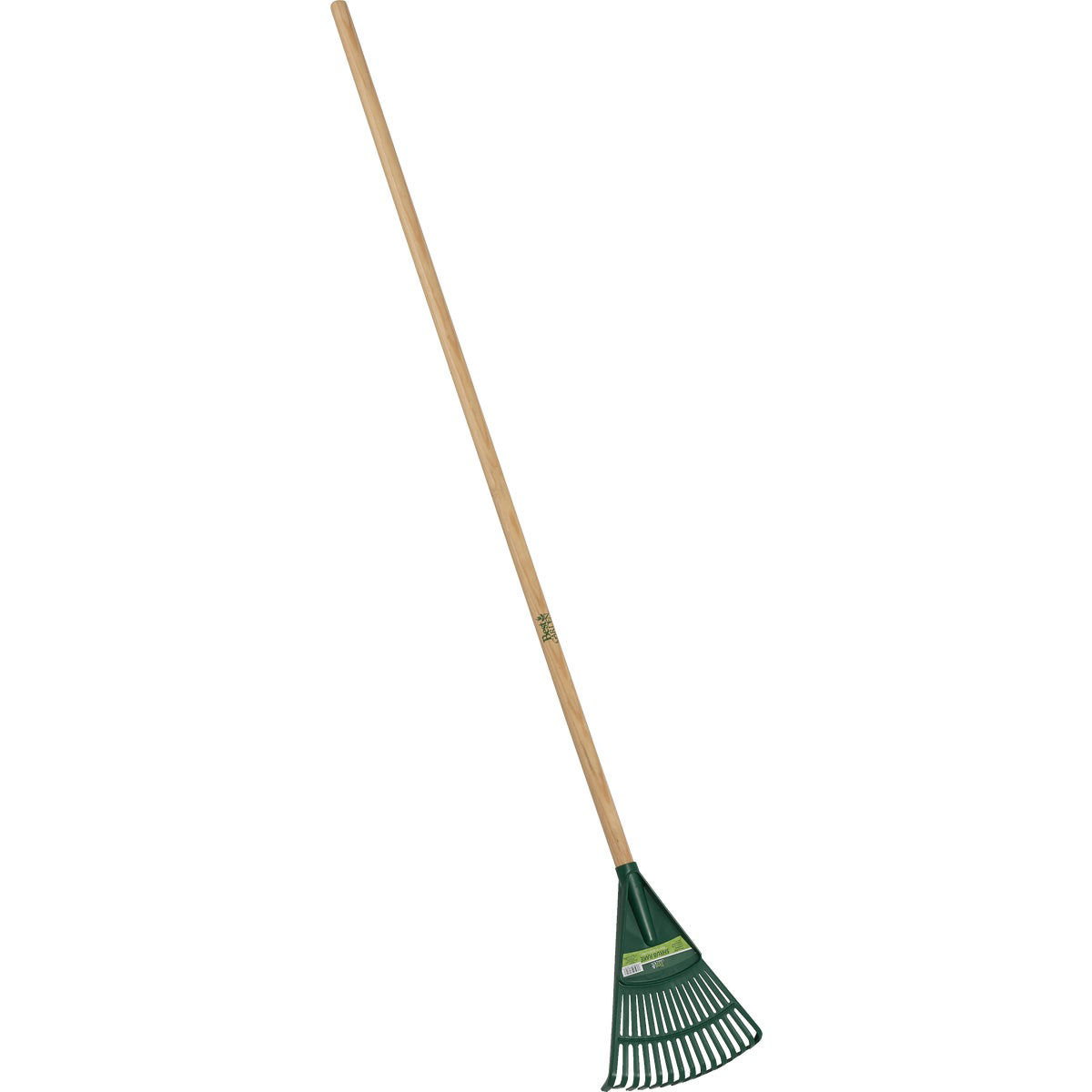 | Steel or wood handle. Small head made of polycarbonate or steel. | Maneuvering and clearing under and around small plants, shrubs, trees, and fences. |
Regular use of a yard rake is a preventative and beautifying yard care habit. It promotes lawn health by removing thatch and improving airflow. Lawn grass rakes help remove patchy growth and can prevent mold and pests from taking over.
Lawn Rakes FAQs
What’s the difference between a leaf rake and a garden rake?
Leaf rakes have flexible, fan-shaped tines ideal for gathering leaves and light debris, while garden rakes have straight, sturdy tines for moving soil or gravel.
What materials are best for rake tines?
Plastic or aluminum tines are lightweight and flexible, steel tines offer durability for tougher jobs, and fiberglass provides a good balance of strength and weight.
How does the handle length affect rake performance?
Longer handles provide better reach and reduce bending, while shorter handles offer more control in small areas. Choose what feels comfortable for your height and task.