
Plastic Pipe: Versatile Solutions for Plumbing and Drainage
Plastic pipe systems are essential in modern plumbing and drainage applications due to their durability, corrosion resistance, and ease of installation. From potable water supply to underground drainage, selecting the right pipe type ensures efficiency and longevity. Proper installation requires compatible pipe fittings to ensure secure connections.
Types of Plastic Pipes and Their Applications
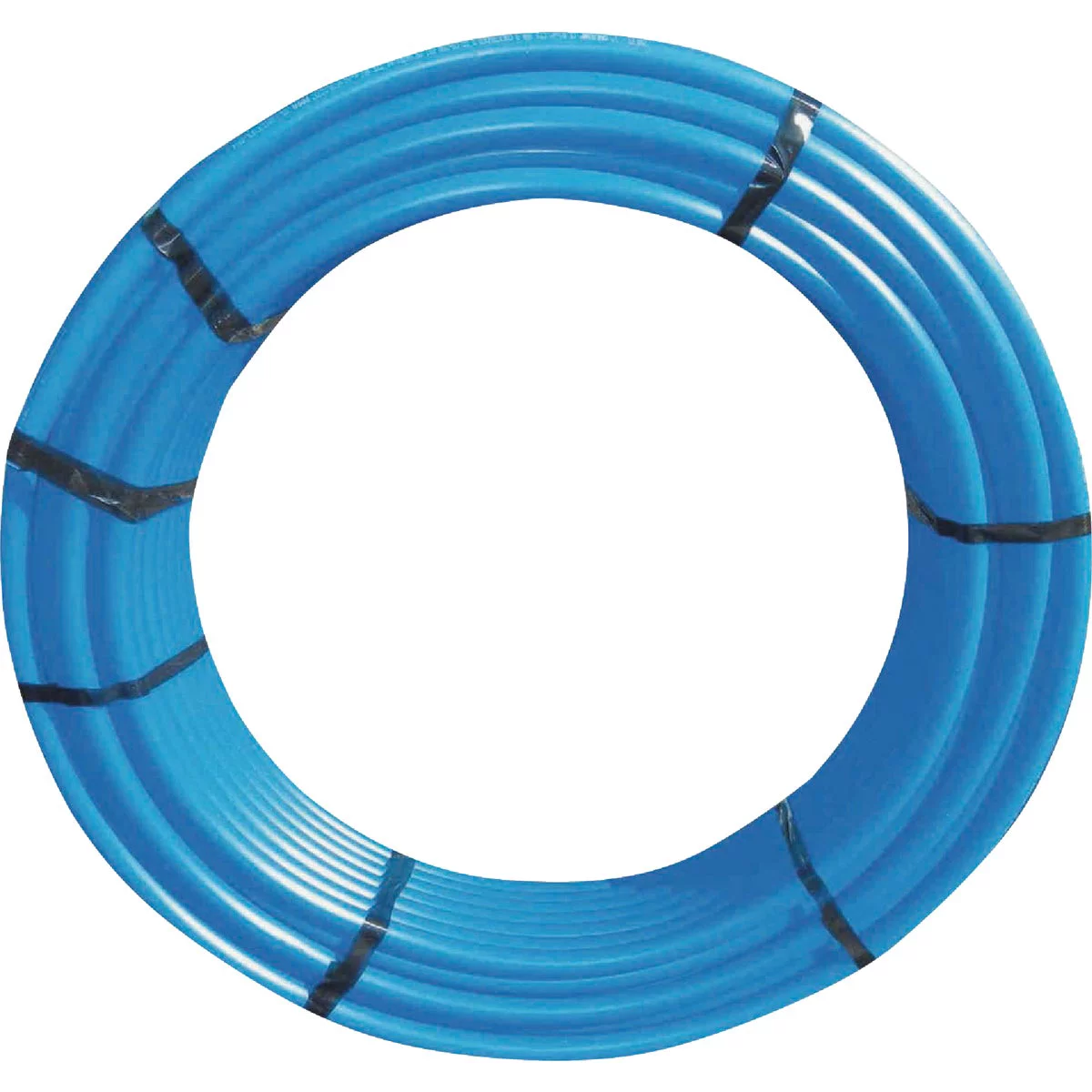
- Polyethylene Pipe (PE Pipe) – A flexible water pipe commonly used for irrigation and underground potable water lines. Black poly pipe is a popular choice for its UV resistance and durability.
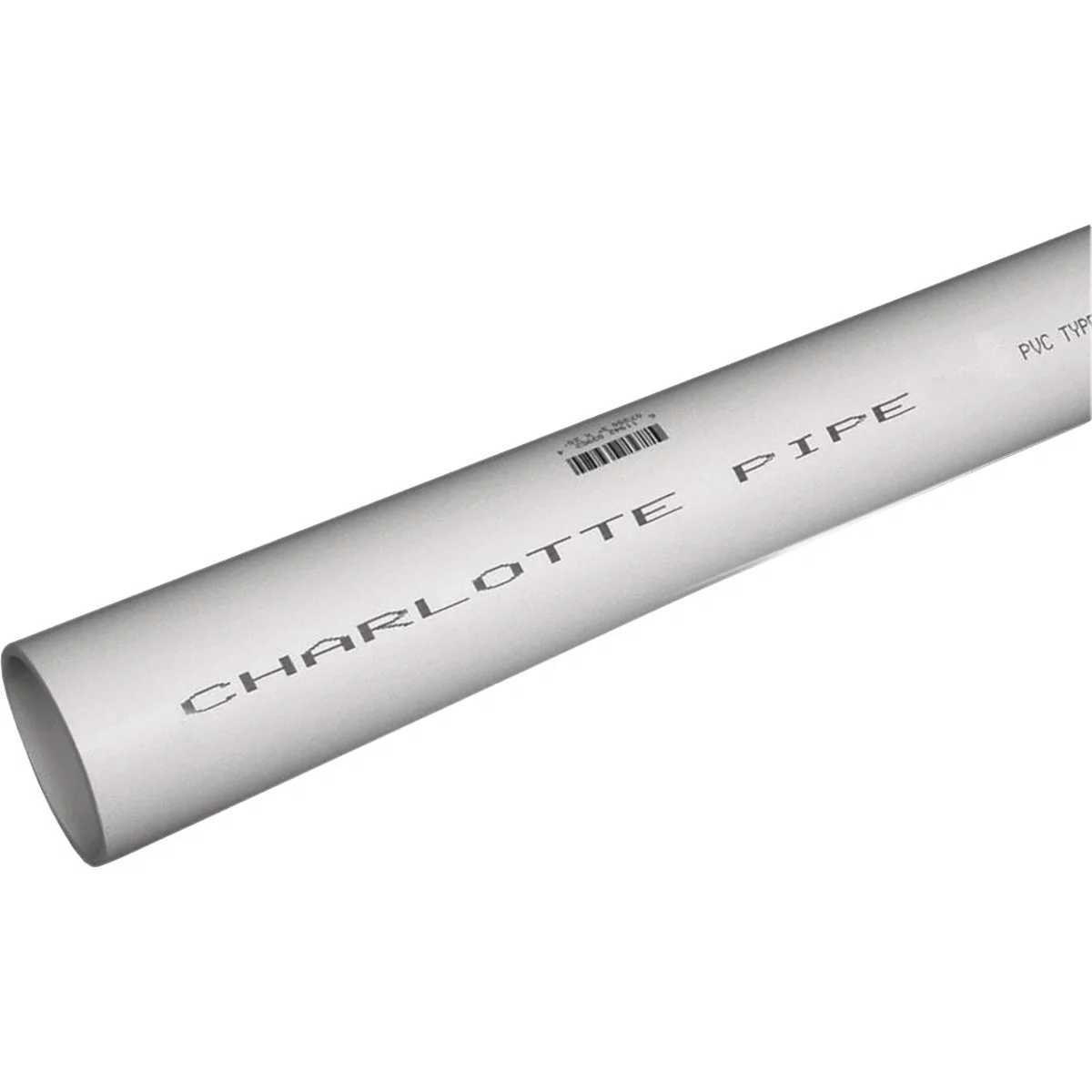
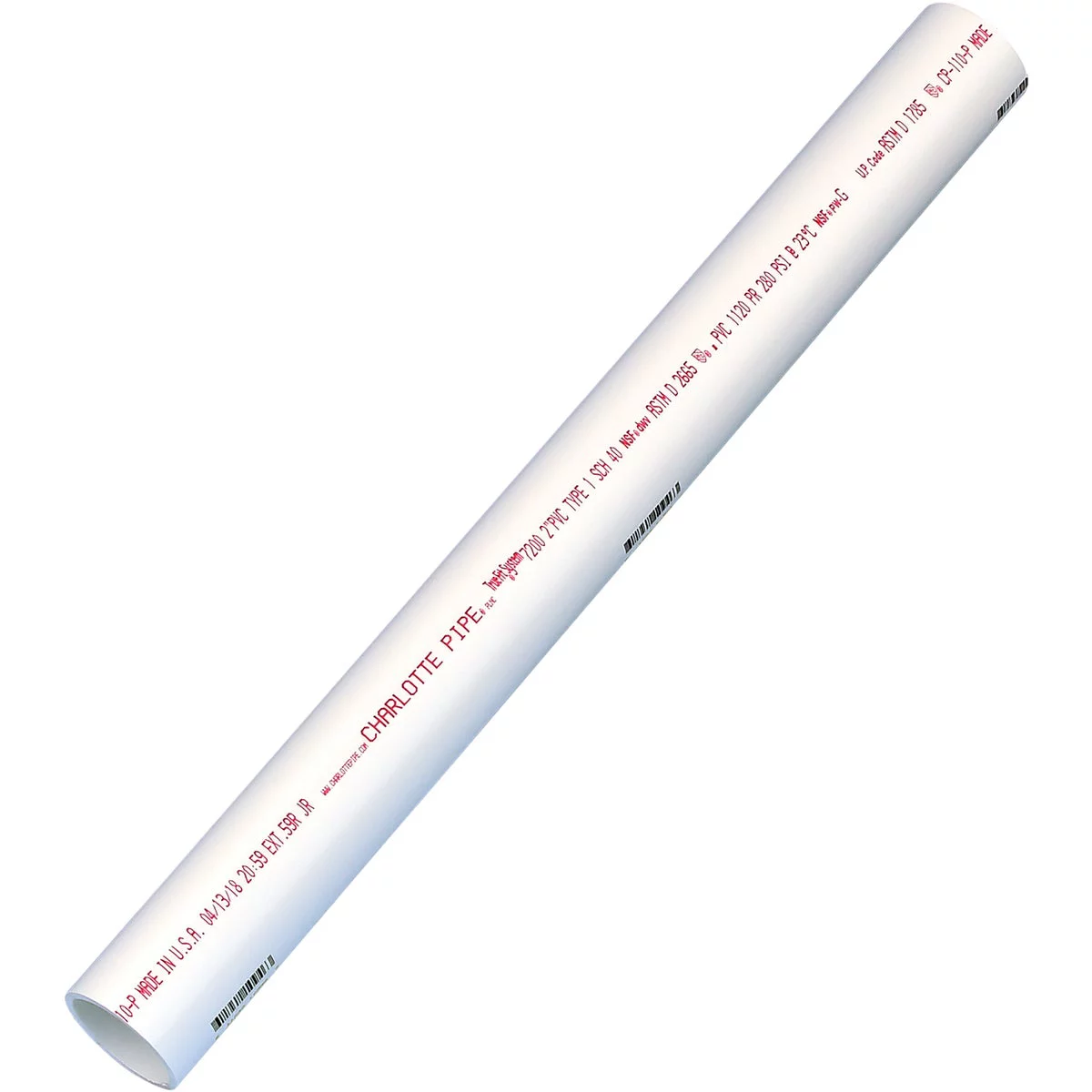
- PVC Pressure Pipe – Designed for high-pressure water distribution systems. PVC water pipe is widely used in residential and commercial plumbing.
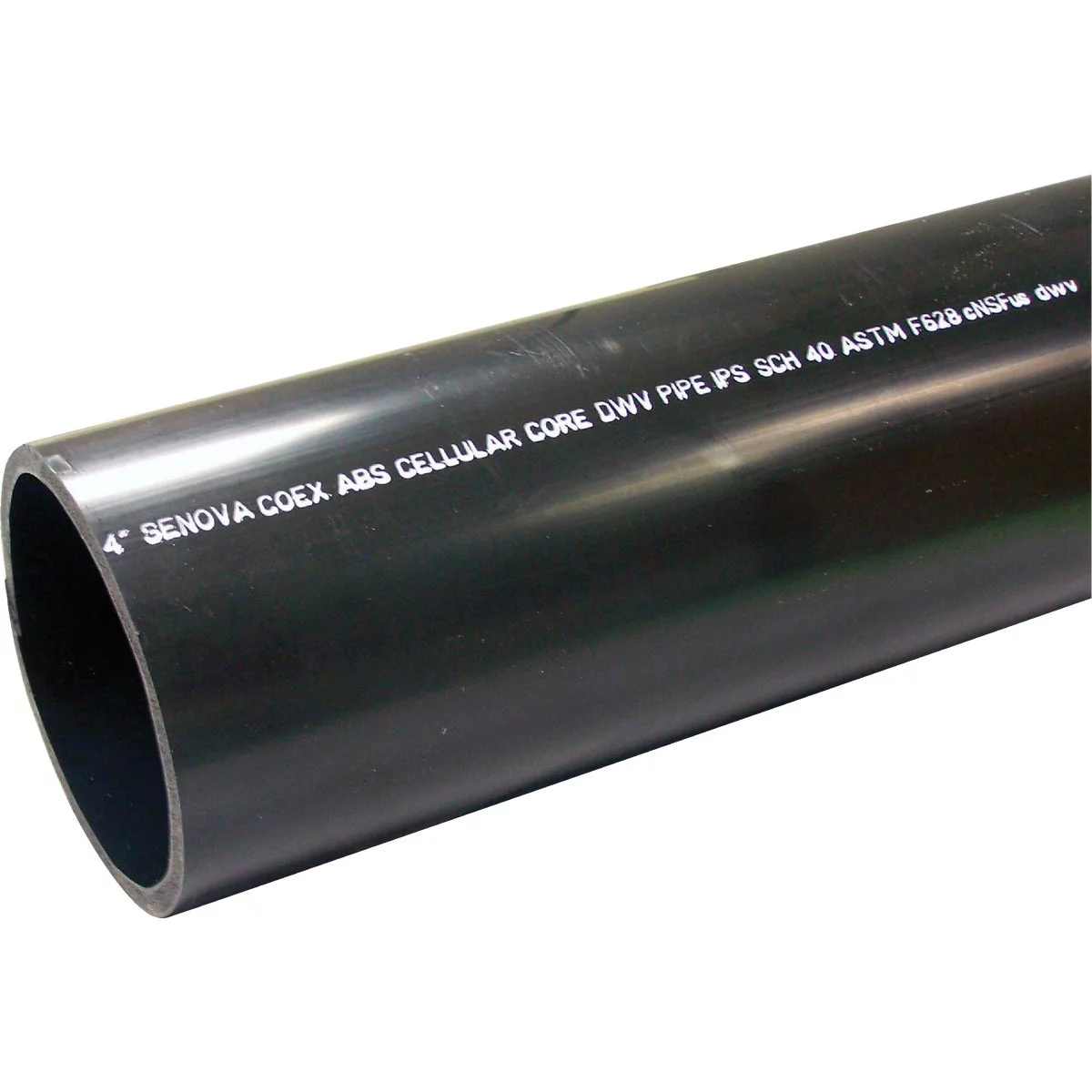
- ABS DWV Pipe – A lightweight yet strong material ideal for drain, waste, and vent (DWV) systems. ABS plastic pipe is known for its resistance to impact and low-temperature performance.
- PVC DWV Pipe – A rigid alternative to ABS for drainage and venting applications. PVC drain pipe is preferred in areas where fire codes restrict ABS use.
- PVC Dual Rated Pressure Pipe – A versatile option suitable for both pressurized water systems and drainage applications.
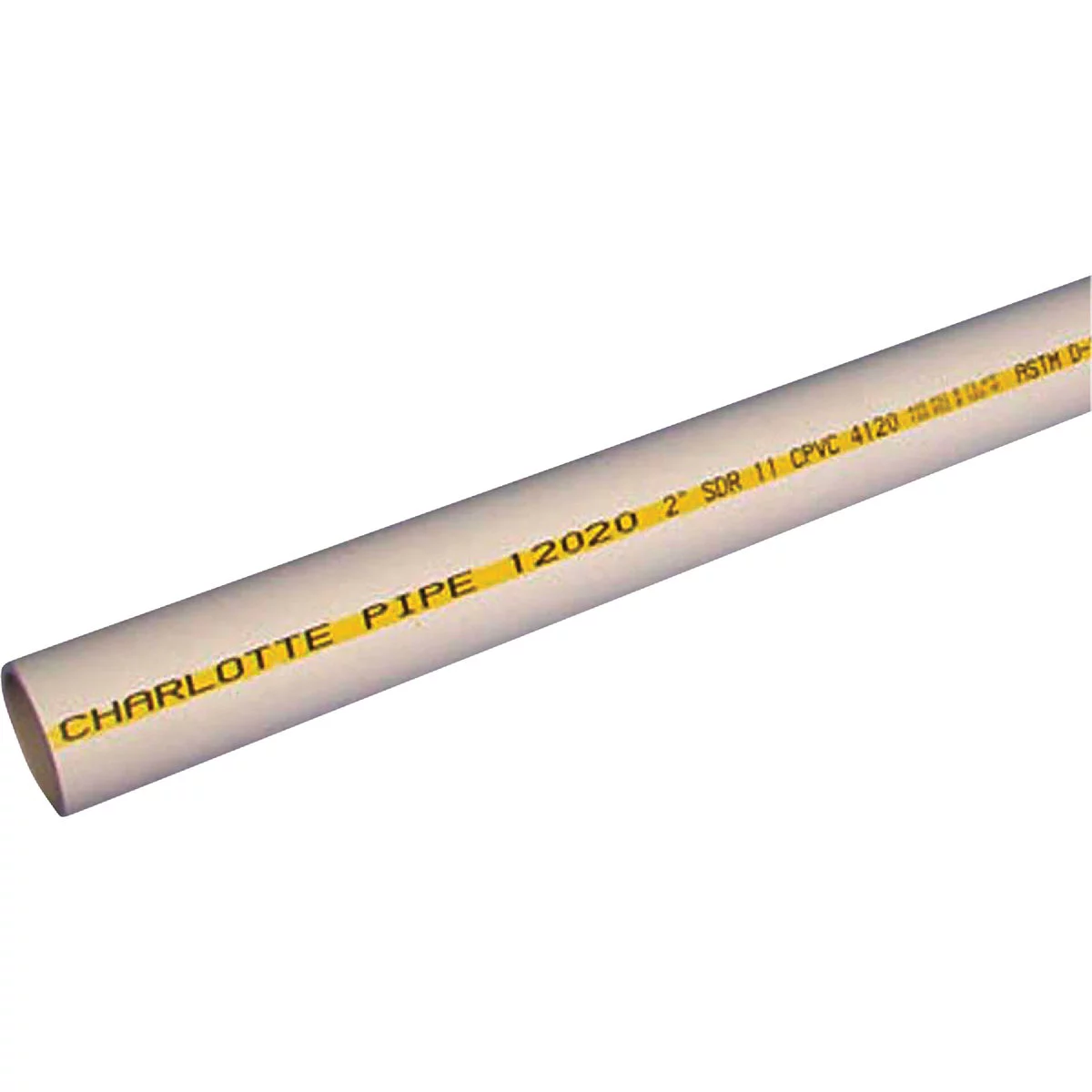
- CPVC Pipe – A modified PVC variant capable of handling hot water distribution systems. Hot water PVC pipe is ideal for residential and commercial plumbing.
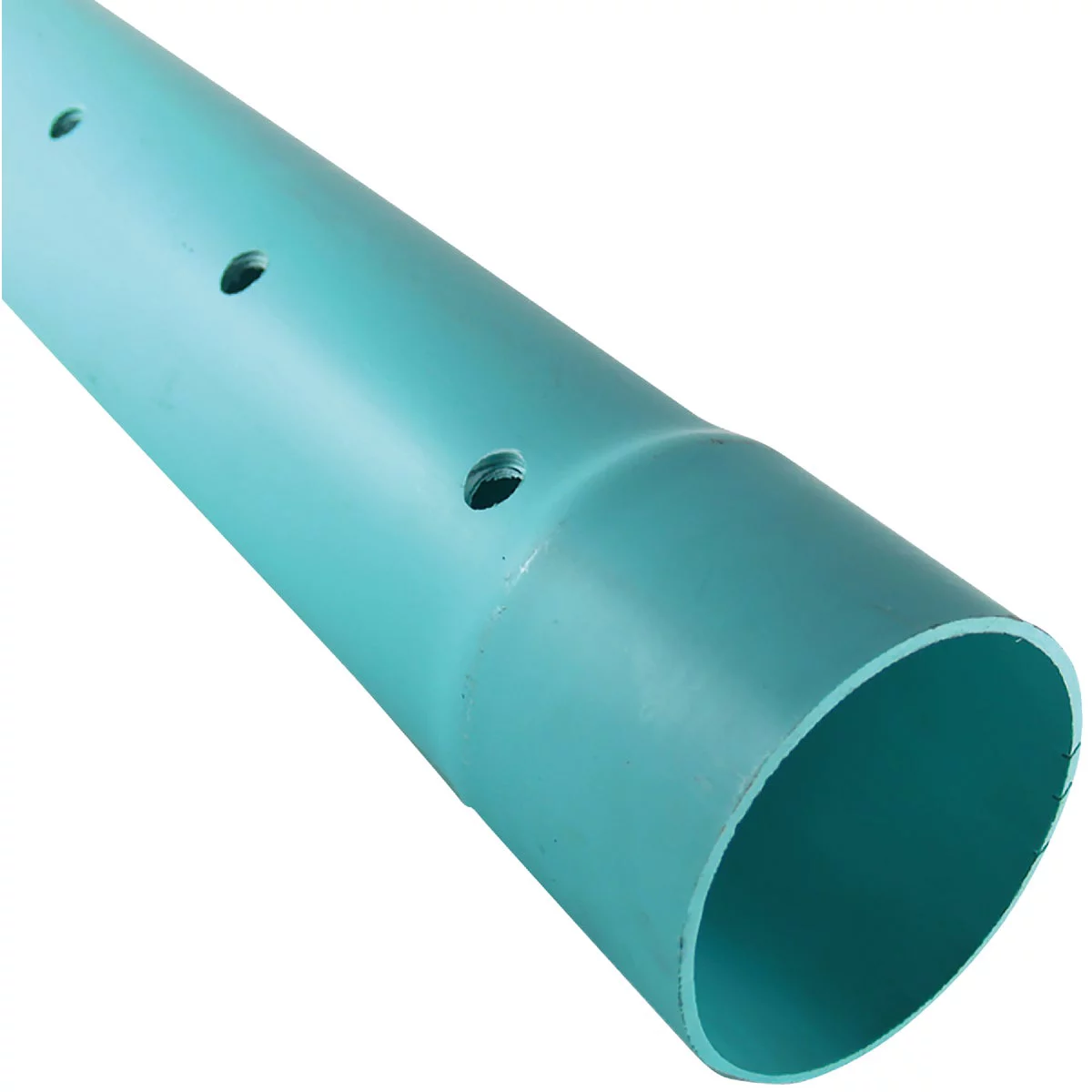
- PVC Drain & Sewer Pipe – Used for non-pressurized underground drain and sewer applications. Available in various plastic pipe sizes.
- Corrugated Polyethylene Drain Pipe – A flexible drain pipe used for managing surface water and subsurface drainage. Common in agricultural and landscaping applications.
- HDPE Drain & Sewer Pipe – A high-density polyethylene pipe designed for underground drain and sewer systems. Black drain pipe made from HDPE offers excellent chemical resistance.
Choosing the Right Plastic Pipe for Your Project
When selecting a plastic pipe, consider the following factors:
- Pressure Requirements: PVC pressure line pipes are rated for different PSI levels, ensuring compatibility with high-pressure systems.
- Temperature Tolerance: CPVC pipes are better suited for hot water applications, whereas PE and ABS pipes perform well in colder environments.
- Installation Method: Underground drain pipe materials like HDPE and corrugated polyethylene are chosen for their flexibility and ease of installation. Using the right pipe cutter ensures a clean and precise fit.
- Chemical Compatibility: Some industrial applications require resistance to specific chemicals, making PVC and CPVC suitable choices.
Comparing PVC, CPVC, ABS, and HDPE Pipes
The choice between different plastic pipes depends on their properties and intended use:
- PVC: Common in both pressure and drain systems, rigid and cost-effective.
- CPVC: Similar to PVC but with higher heat resistance, making it suitable for hot water applications. Proper bonding with PVC cement ensures strong joints.
- ABS: Lightweight and impact-resistant, mainly used for DWV applications.
- HDPE: Strong, flexible, and highly resistant to chemicals and corrosion, making it ideal for underground sewer and drainage systems.
FAQ
Plastic pipes are connected using solvent welding, compression fittings, or push-to-connect systems. Ensure compatibility between pipe material and adhesives. Using plumber grease can help lubricate fittings for a better seal.
Use a pipe cutter, hacksaw, or tubing cutter for clean and precise cuts. A pipe cutter is recommended for PVC and CPVC pipes.
Some flexible plastic pipes, like PE and PEX, can be bent manually. For rigid pipes, heat bending techniques or elbows and fittings are used.
Clean the surface, apply a plastic primer, and use paint formulated for plastics. PVC pipes should be lightly sanded before painting.
Yes, plastic pipes can freeze and may crack under extreme temperatures. Insulating exposed pipes and using frost-proof installation methods can help prevent damage.