Types of Water Heaters at True Value
Type | Best for | Features | Image |
Homes with natural gas or propane | Fast recovery time, lower cost of operation, and multiple tank sizes available | ||
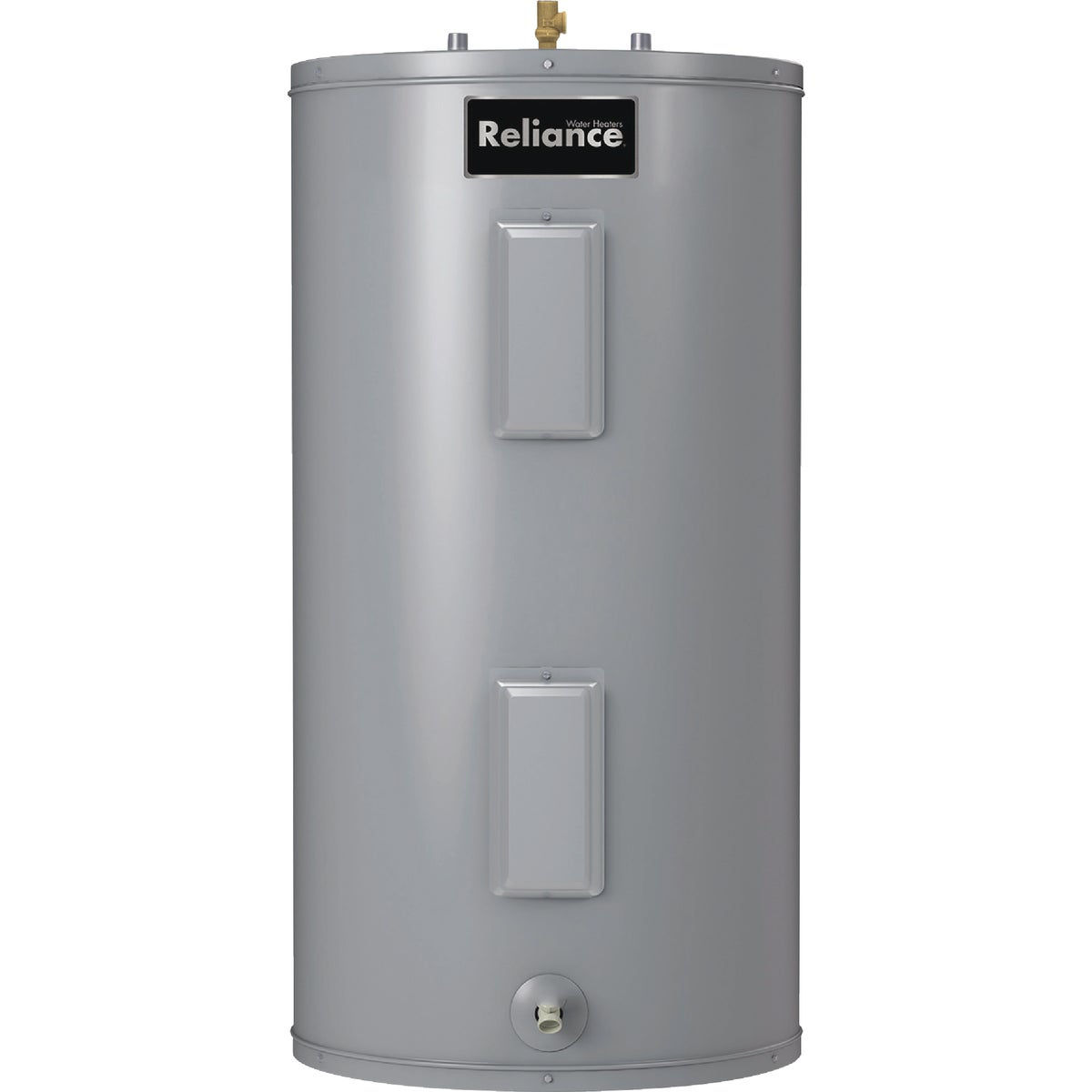
Homes without gas service and those looking for a simple installation | Easy setup, clean; ideal for small homes and indoor use | ||
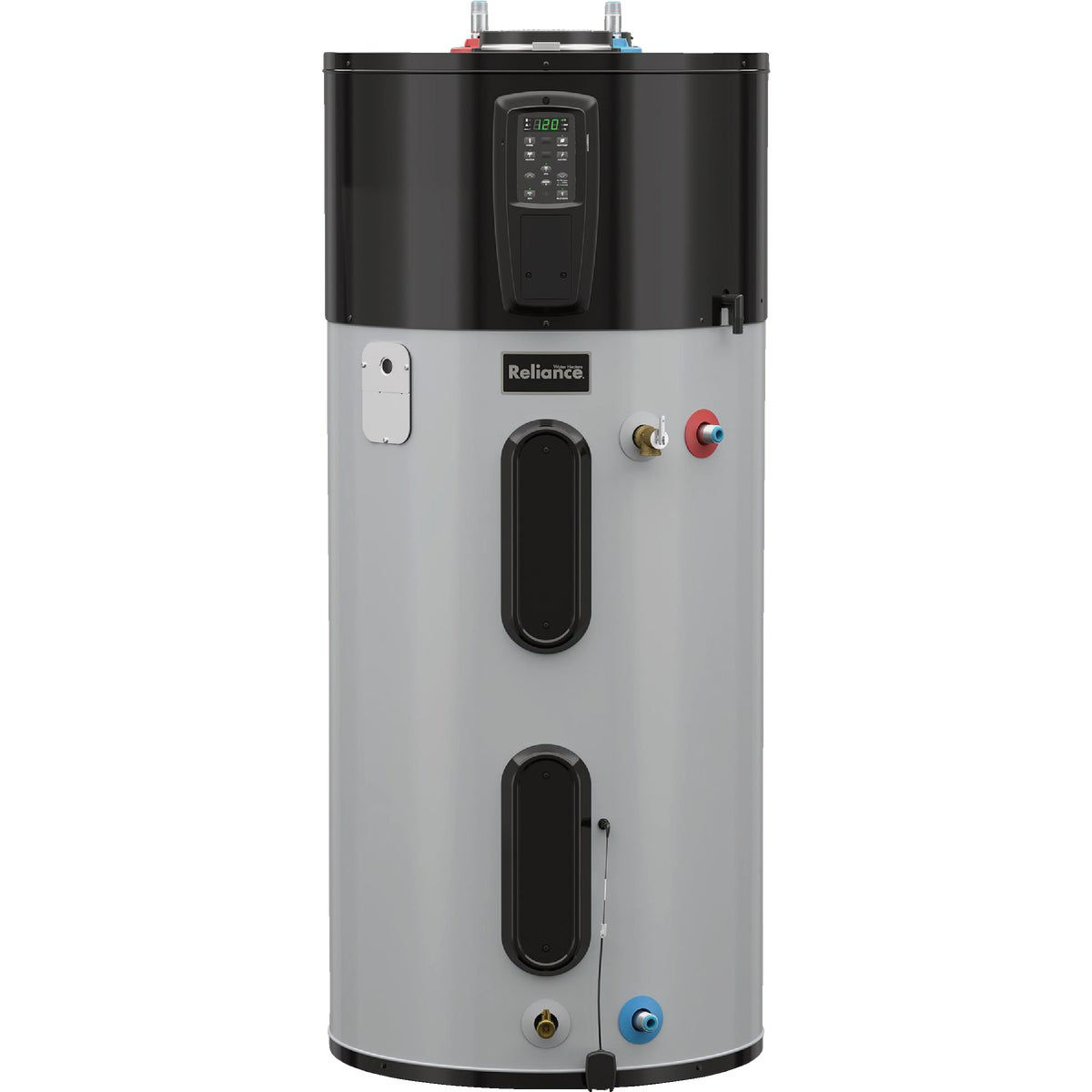
Energy-conscious homeowners | Uses electric heating with heat-pump efficiency for lower energy use | ||
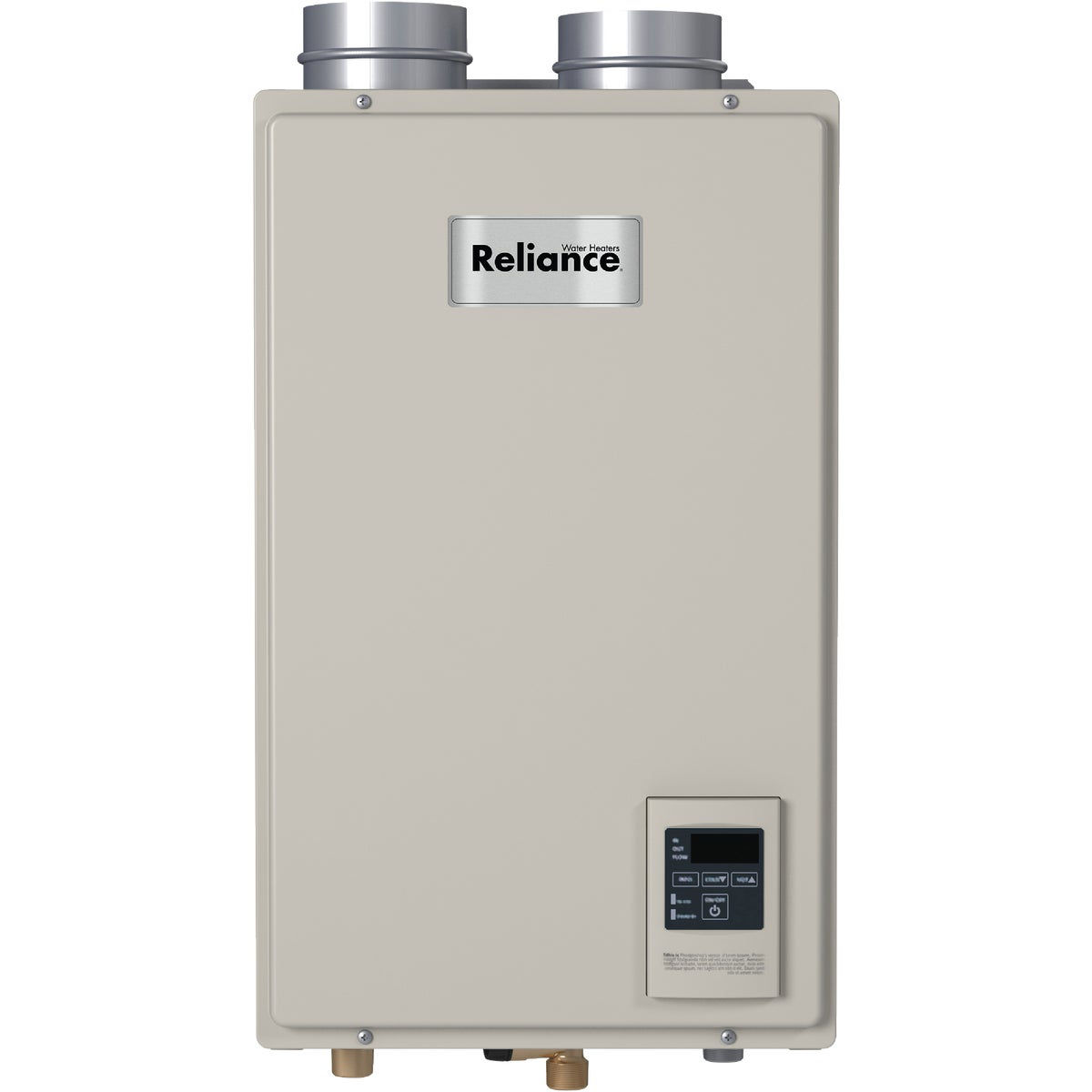
Homes with limited space or on-demand hot water needs | Heats water instantly as you use it; compact and efficient |
Gas Water Heaters
A gas water heater uses natural gas or propane to heat water quickly. These water heating units have a reputation for speed, with fast recovery rates. They can supply hot water for multiple showers and other demands of large families. Modern ENERGY STAR® models are eco-friendly in that they help you reduce waste and lower your monthly energy expenses. Gas water heaters typically cost less to run than electric heaters.
Electric Water Heaters
Electric water heaters are easy to install because they don’t require gas lines or venting. These water heaters offer consistent performance and are an ideal water heating option for apartments, smaller homes, and areas where natural gas isn’t available or preferred. Many feature glass-lined tanks and advanced thermostat controls to help you maximize the efficiency and life of your unit.
Hybrid Water Heaters
Hybrid water heaters are some of the most efficient options because they combine electricity with heat pump technology, drawing warmth from the surrounding air. People find they can significantly reduce water heating energy use. The upfront cost of these units is often higher, but they can pay back the investment with energy savings.
Tankless Water Heaters
Tankless water heaters work by heating water on demand. If you need continuous hot water without using too much space or energy, these may be the ideal solution. Because tankless water heaters don't store water, there's no risk of standby heat loss. These units are often very compact and wall-mounted, making them ideal for small homes and tight spaces.
Why the Right Water Heater Makes a Big Difference
The right system for your home is one that meets your hot water needs, helps you save energy, and is durable enough to last years. Most folks want to avoid the stress of a cold shower, so it's essential to select a unit that fits your home.
Comfort and Convenience: Hot water is a luxury many of us take for granted until we run out mid-shower or during laundry day. Tankless and large-capacity water heaters help ensure you have a consistent water flow that you don't need to worry about.
Efficiency: Inefficient water heaters can have a notable impact on your energy bills. Look for ENERGY STAR®-rated models built to reduce your energy costs and run efficiently for years.
Speed & Recovery: In water-heater terms, recovery is the time it takes to replenish hot water after it's used up. Larger households and those with heavy hot water use benefit from faster recovery rates and larger tanks that can support multiple fixtures simultaneously.
Space Saving: Have a small home? Tankless and hybrid water heater designs are ideal for small utility rooms, condos, or wall-mounted setups where space is limited.
Finding the right system for your home means you’ll deal with fewer maintenance issues and better long-term performance. A water heater adds to your home’s value, too, so it’s a sound investment in your comfort and peace of mind.
How to Choose the Right Water Heater
If you’re ready to purchase a water heater, you need to look at several factors to decide on the best unit for your household. Here are some key factors to consider when choosing a hot water heater.
Fuel Type: Choose gas for lower operating costs and faster heating. Electric units are ideal for easy installation. Hybrid options can be great for long-term savings, and tankless is a good choice for small, compact spaces.
Tank Size or Flow Rate: Be sure to match your water heater to your household's needs. A family of four will typically need a 50-60 gallon tank. Tankless systems are rated by flow (generally around 6-9 gallons per minute).
Installation Space: Water heaters take up some space, so it's important you measure your available area before you select the model for your installation. Also, confirm proper ventilation for gas models and clearance for hybrid options.
Efficiency Ratings: Check the packaging and manufacturer's materials for Energy Factor (EF) or Uniform Energy Factor (UEF) ratings, and prioritize ENERGY STAR®-certified models for the most efficient water heating.
Recovery Time: For bigger households and multi-bath homes, you may want to consider a heater with a fast recovery time, so you don’t have to wait for water between uses.
Upfront vs. Long-Term Cost: It can be tempting to choose your water heater based on price alone, but it’s wise to look at the long-term costs. Electric units may cost less initially, while hybrid and tankless models provide greater savings over time.
At True Value, we carry many water-heating options to help you find the best fit for your needs. Explore our water heaters along with all the needed accessories and plumbing supplies. We carry top industry brands and offer same-day pickup at your local True Value store and convenient home delivery. Shop today!
Water Heater Frequently Asked Questions
What size water heater do I need?
Size depends on household demand. As a general rule, plan for 10–15 gallons per person for tank models or match your tankless system to total fixture flow (GPM). You may need a larger capacity if your household is larger and/or you have multiple showers and other hot-water needs.
How long do water heaters last?
Tank-style water heaters usually have a lifespan of 8-12 years, depending on use. Tankless water heaters can last up to 20 years (or sometimes more) with regular maintenance and care.
Can I install a water heater myself?
Some electric water heater models can be installed by experienced DIYers. However, gas and hybrid systems require professional expertise for setup to ensure proper venting, gas line installation, and code compliance.
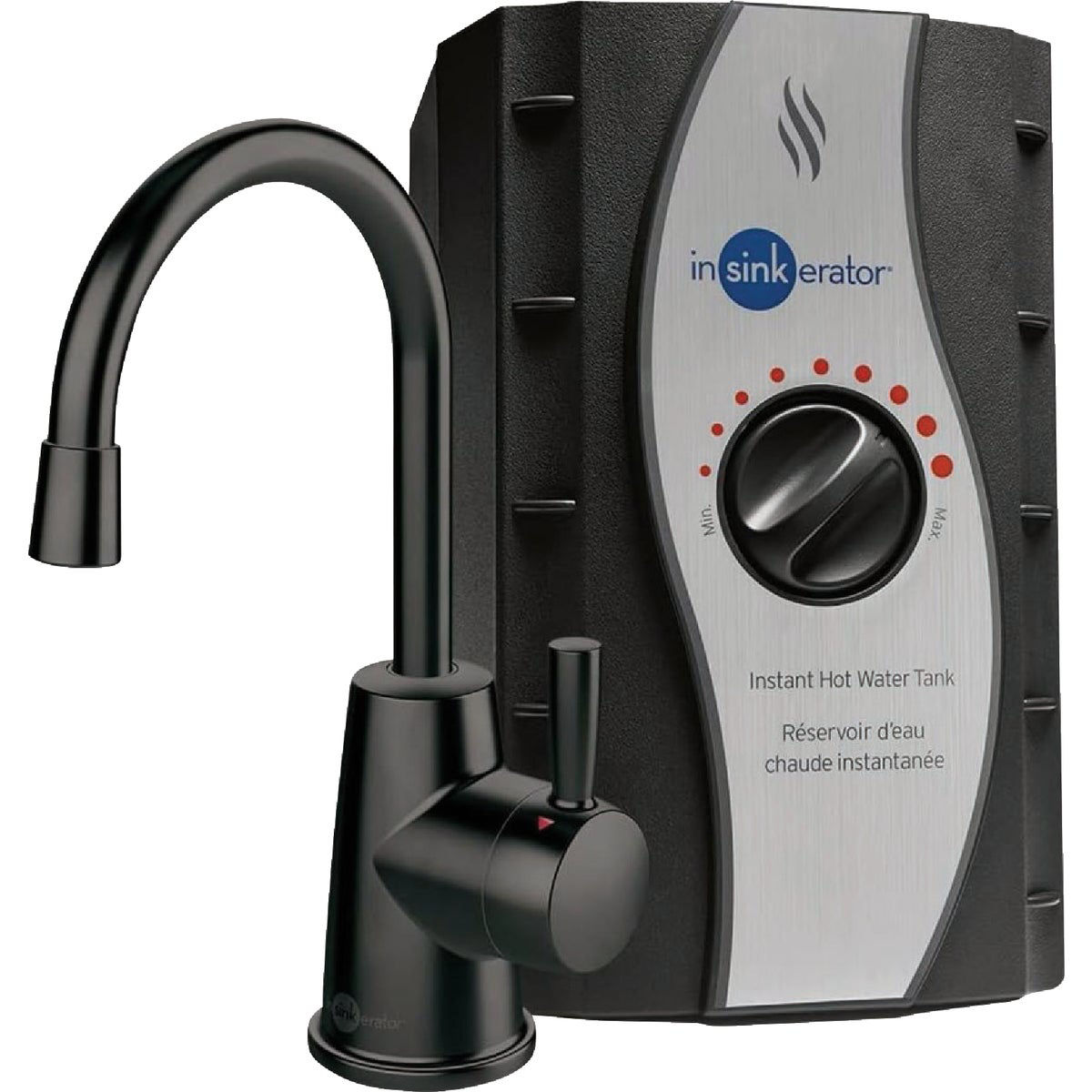
What’s the benefit of a hot water dispenser?
Hot water dispensers have become a popular kitchen staple over the last decade. These sink-side hot water dispensers provide instant hot water for drinks, cooking, and cleaning. A hot water dispenser is a convenient addition to your main water heater system.