
Nailers by Area of Use
Framing Houses, Decks, and Structural Woodwork
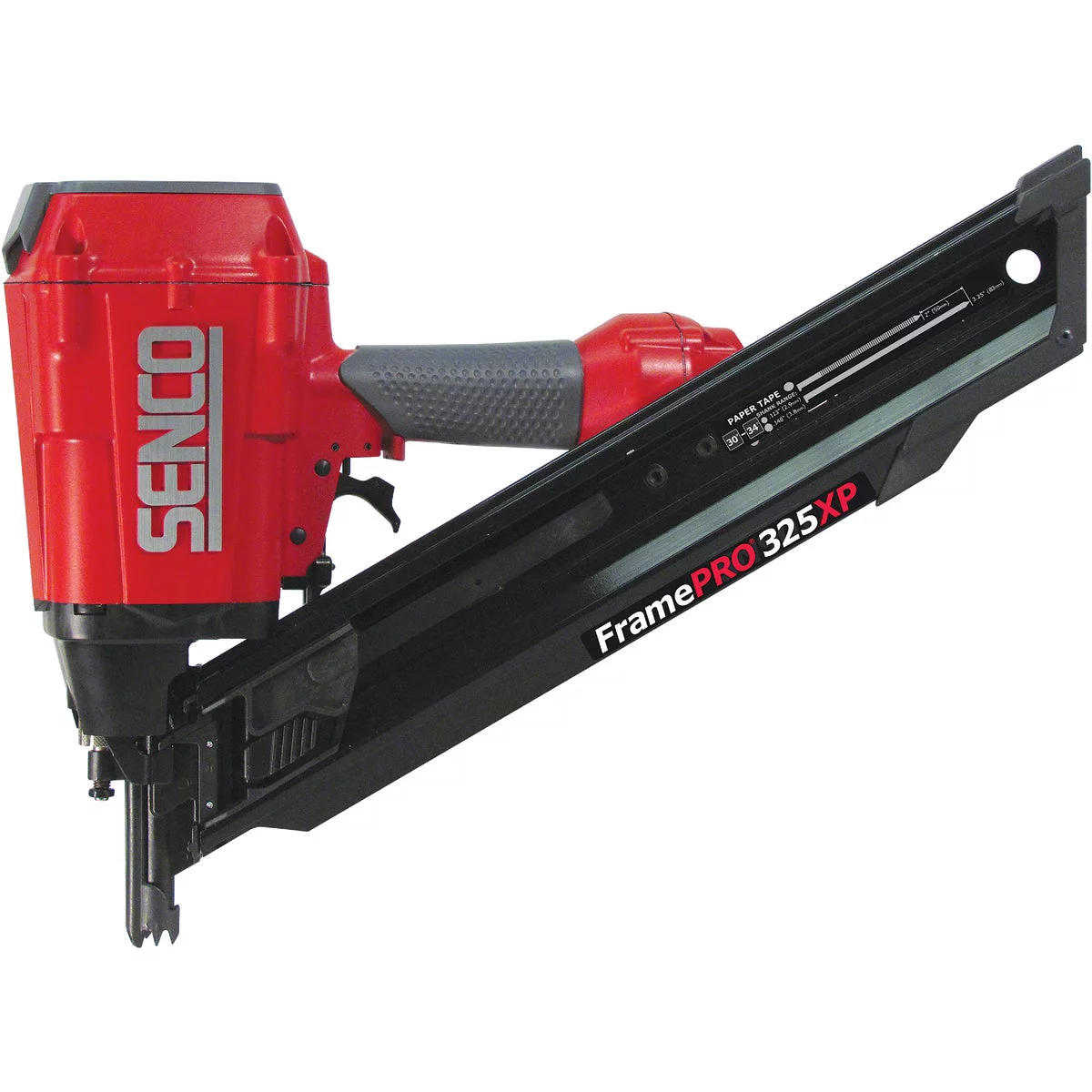
Framing nailers are essential for large-scale structural work, including building house frames, installing decks, and assembling wooden beams. These tools drive collated stick nails efficiently into engineered lumber, ensuring strong, long-lasting connections. - Nail type: 10-16 gauge, 2" – 3.5" nails - Recommended model: Pneumatic or cordless framing nailers for speed and precision Framing nailers come in different angles, typically 21-degree and 30-degree configurations. See the comparison below to determine the best option for your project:
| Feature | 21-Degree Framing Nailer | 30-Degree Framing Nailer |
|---|---|---|
| Collation Type | Plastic-collated nails | Paper-collated nails |
| Debris | Produces more plastic debris | Minimal mess, better for clean job sites |
| Accessibility | Bulkier design, requires more clearance | Compact size, fits into tighter spaces |
| Weather Resistance | Less affected by moisture | Paper-collated nails may be sensitive to humidity |
| Common Use Cases | General framing, deck building | Roof trusses, tight corners, advanced framing |
For compatible nails, check our Collated Stick Nails category.
Installing Trim, Baseboards, and Cabinetry
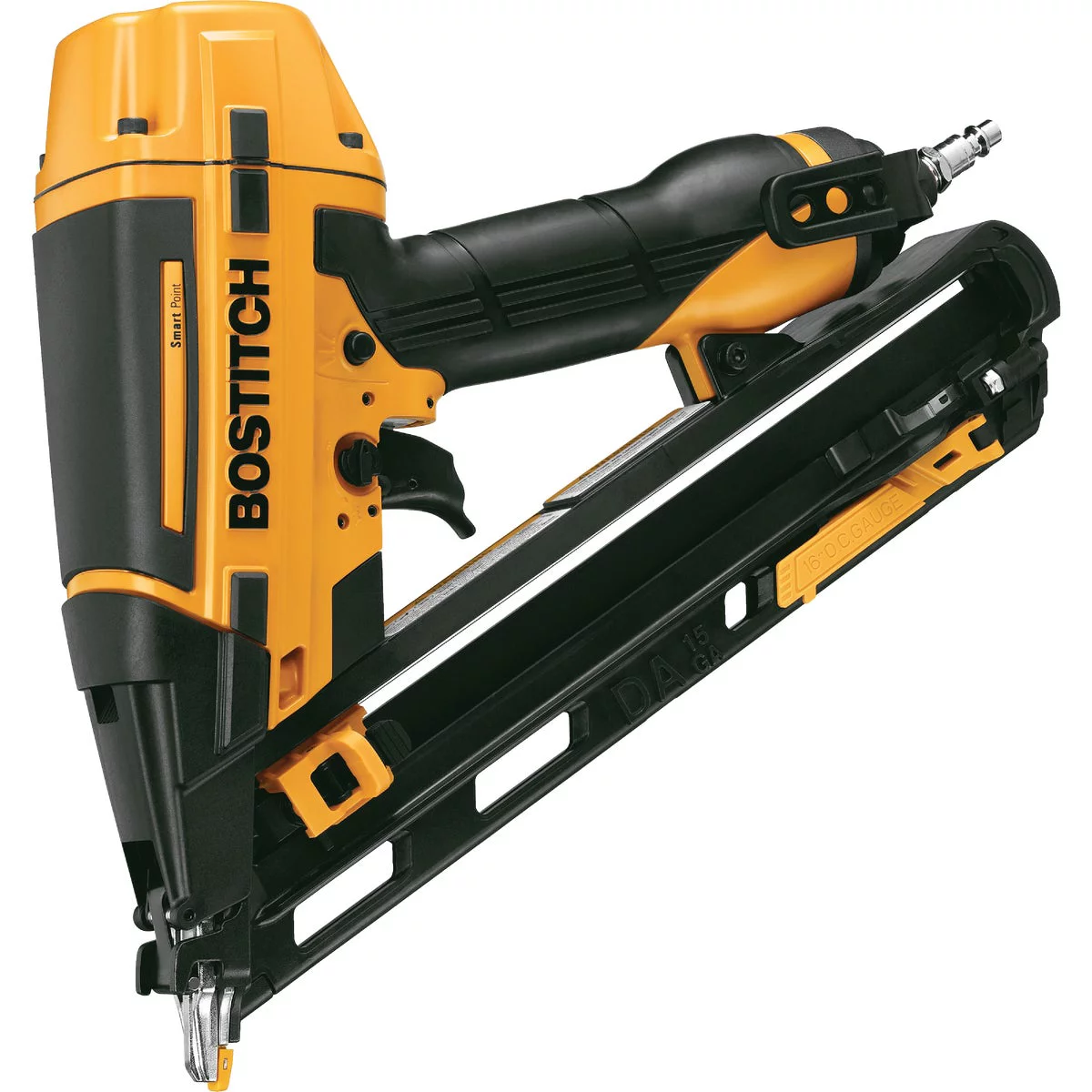
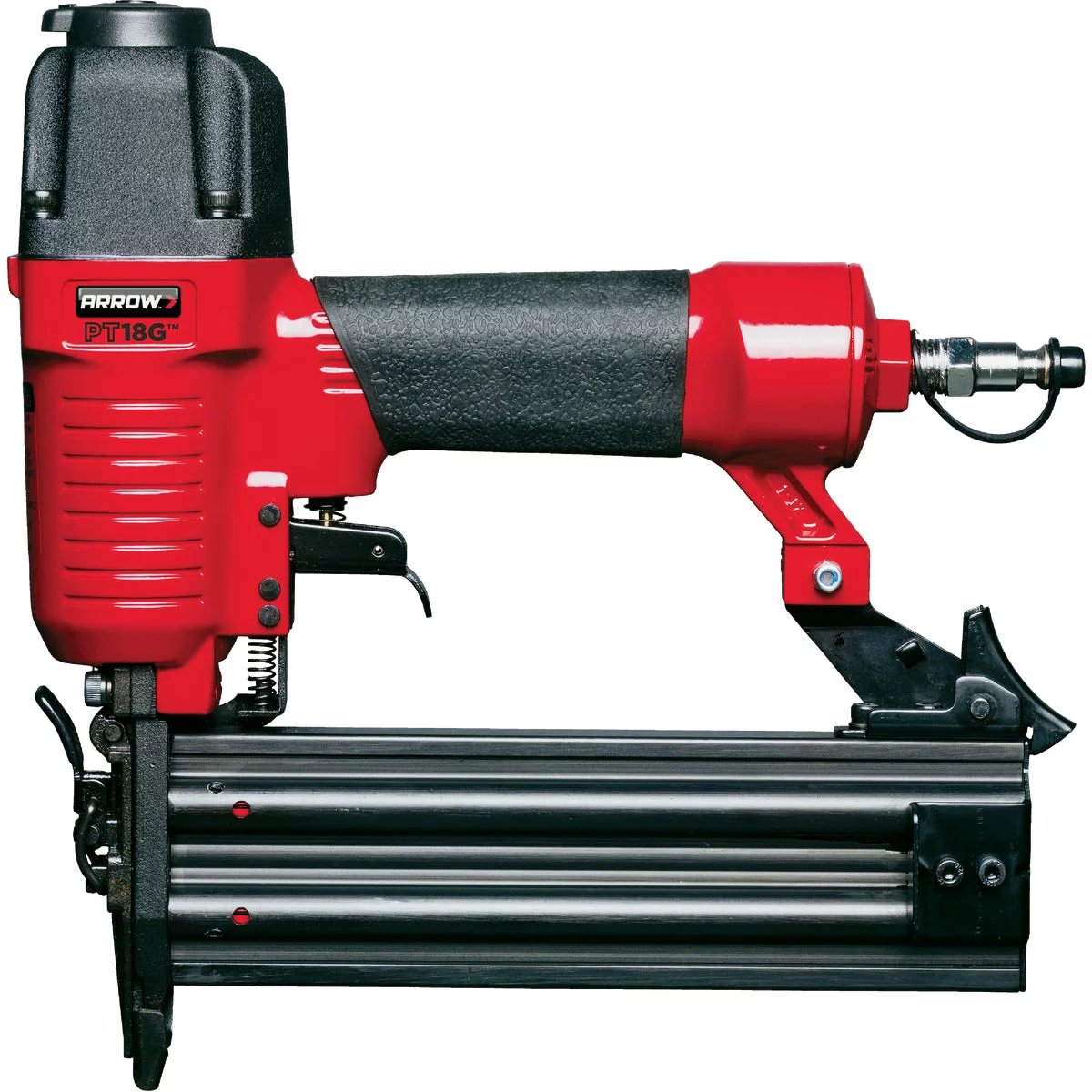
Finish and brad nailers provide precise fastening for installing interior trim, securing baseboards, and assembling cabinetry. A trim nailer (15-16 gauge) is ideal for heavier trims, while an 18-gauge brad nailer offers a delicate hold without splitting thin materials. - Nail type: 15-18 gauge, 1" – 2.5" finish or brad nails - Recommended model: Angled finish nailers for tight spaces, straight finish nailers for general trim work For finish nails, visit our Collated Finish Nails category.
Securing Roofing Shingles and Siding Panels
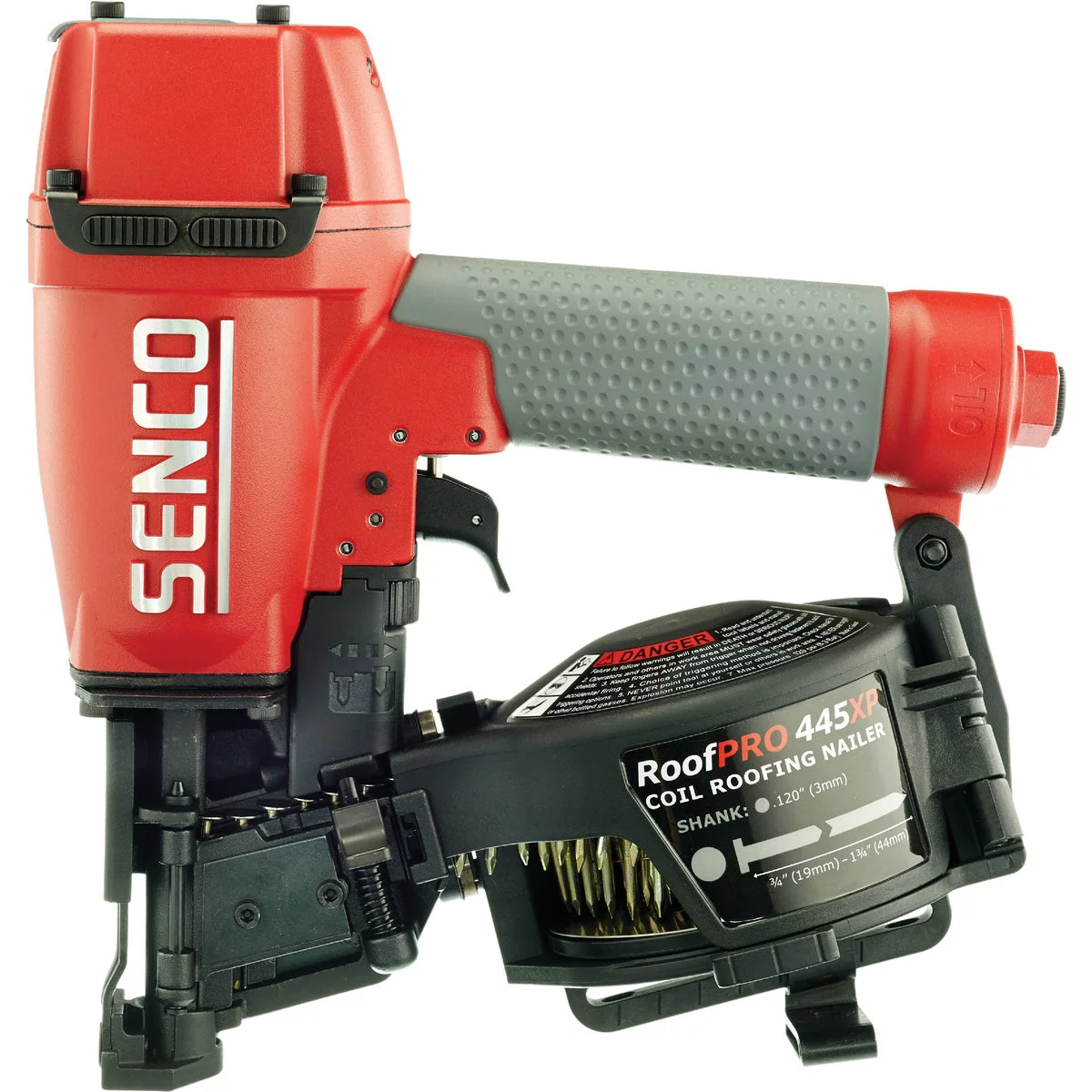
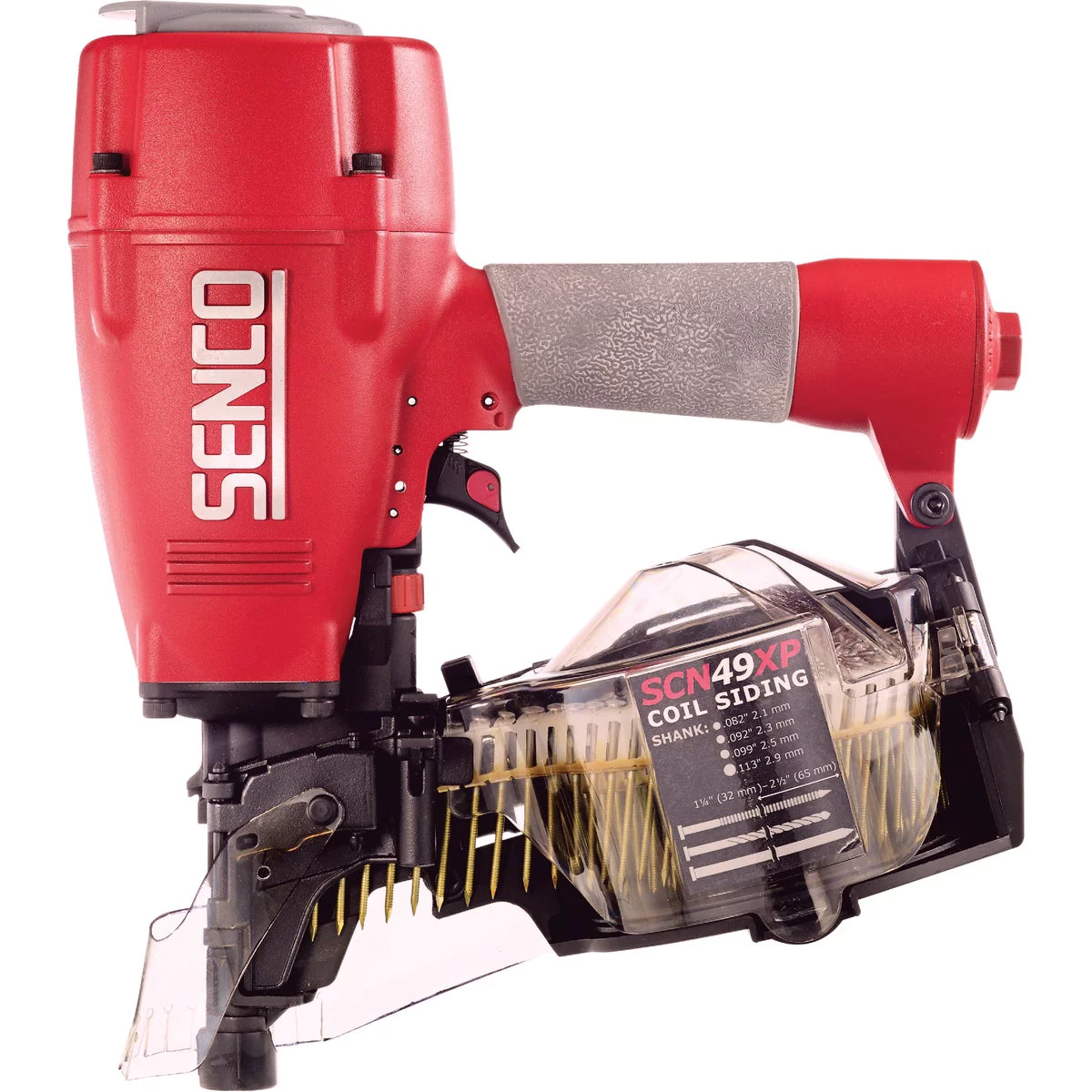
A roofing nailer or shingle gun is designed to attach asphalt shingles, underlayment, and synthetic roofing materials quickly and efficiently. Siding nailers are used to secure vinyl, fiber cement, and wood siding to exterior walls. - Nail type: 11-12 gauge, 1" – 2.5" roofing or siding nails - Recommended model: Coil-fed roofing nailers for high-speed shingle installation For compatible nails, check our Collated Roofing Nails category.
Installing Hardwood and Engineered Flooring
A floor nailer or hardwood gun is used for securing tongue-and-groove flooring planks to subfloors, ensuring long-lasting installation without surface damage. - Nail type: 16-18 gauge flooring cleats - Recommended model: Pneumatic flooring nailers for durability and consistent drive depth
Fastening House Wrap, Underlayment, and Insulation
A cap nailer or felt nailer is essential for attaching house wrap, synthetic underlayments, and insulation boards. It drives nails with attached plastic caps, increasing holding power and preventing tearing in high winds. - Nail type: Plastic-cap nails, 1" – 2" length - Recommended model: Pneumatic cap nailers for fast, repetitive applications
Nail Size Considerations: Gauge, Length, and Type
Choosing the correct nail gauge ensures optimal holding power and material integrity: - 10-16 gauge – Used in framing and heavy construction (framing nail guns) - 15-16 gauge – Ideal for trim and finish work (finish nailers) - 18 gauge – Suitable for delicate moldings and small wood pieces (brad nailers) - 23 gauge – Best for ultra-thin trims and fine detailing (pin nailers) For all collated nails, visit our Collated Nails category.
FAQ: Nail guns
A brad nailer is used for light trim, paneling, and fine woodworking. It drives 18-gauge nails that are strong enough to hold trims in place while leaving minimal marks.
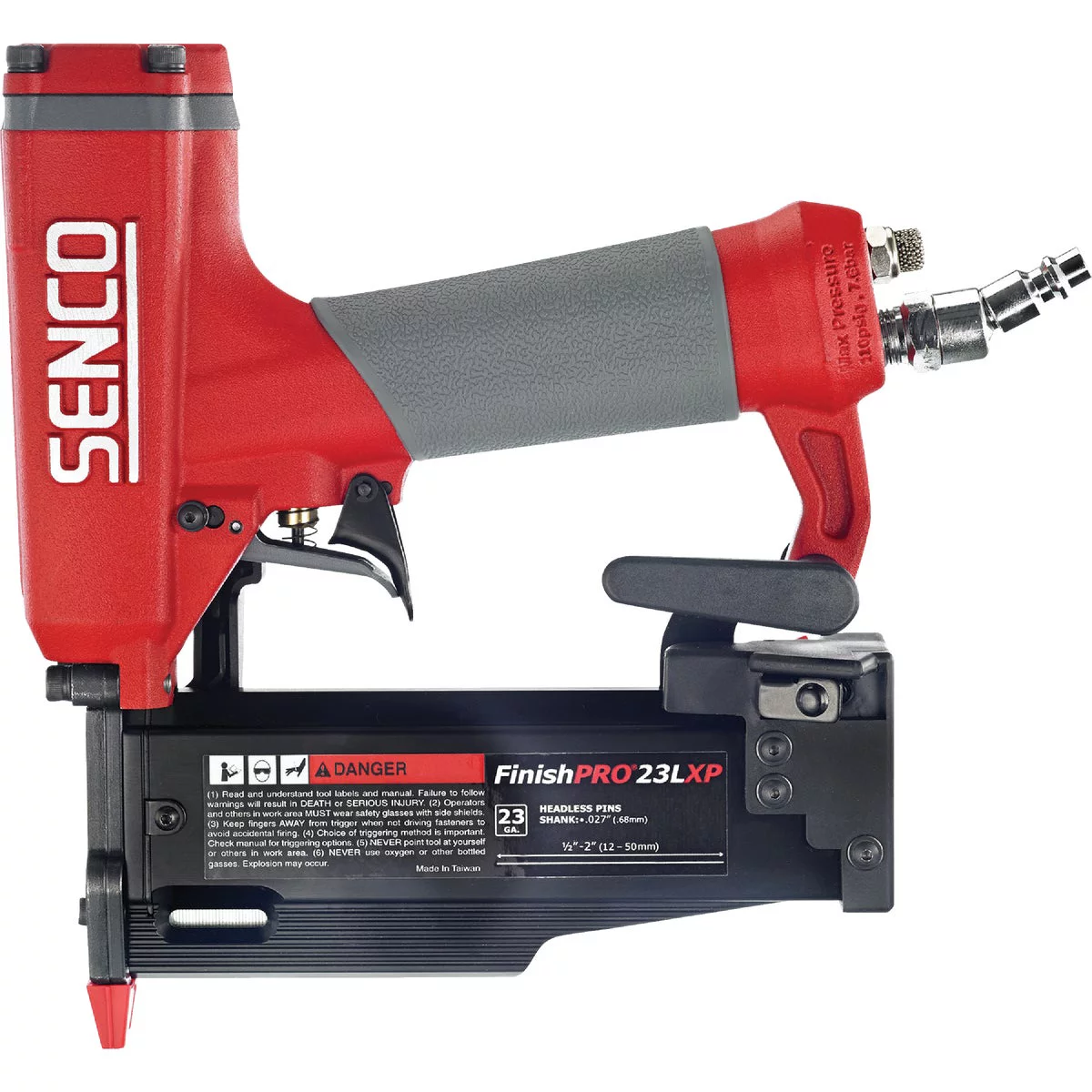
A pin nailer is used for ultra-fine fastening in delicate wood projects. It shoots 23-gauge headless nails, making it ideal for veneers, small trims, and detailed woodworking.
A framing nailer is a heavy-duty nail gun used for structural framing. It drives 10-16 gauge nails into framing lumber for walls, decks, and beams.
A 15- or 16-gauge finish nailer is best for baseboards and moldings, while an 18-gauge brad nailer is better for smaller trims and decorative woodwork.
For standard trim work, use a 15- or 16-gauge finish nailer. For delicate, thin trims, an 18-gauge brad nailer is the preferred choice.