
Types of Specialty Drill Bits at True Value
There are many different types of specialty drill bits built for different drills and drilling tasks. The table below outlines the different types of special drill bits offered at True Value:
Power Tool Type | Features | Use Cases | Image |
| Glass and Tile Drill Bits | Drilling into fragile tile or glass | Carbide tip, spear-point design prevents cracking or slipping | 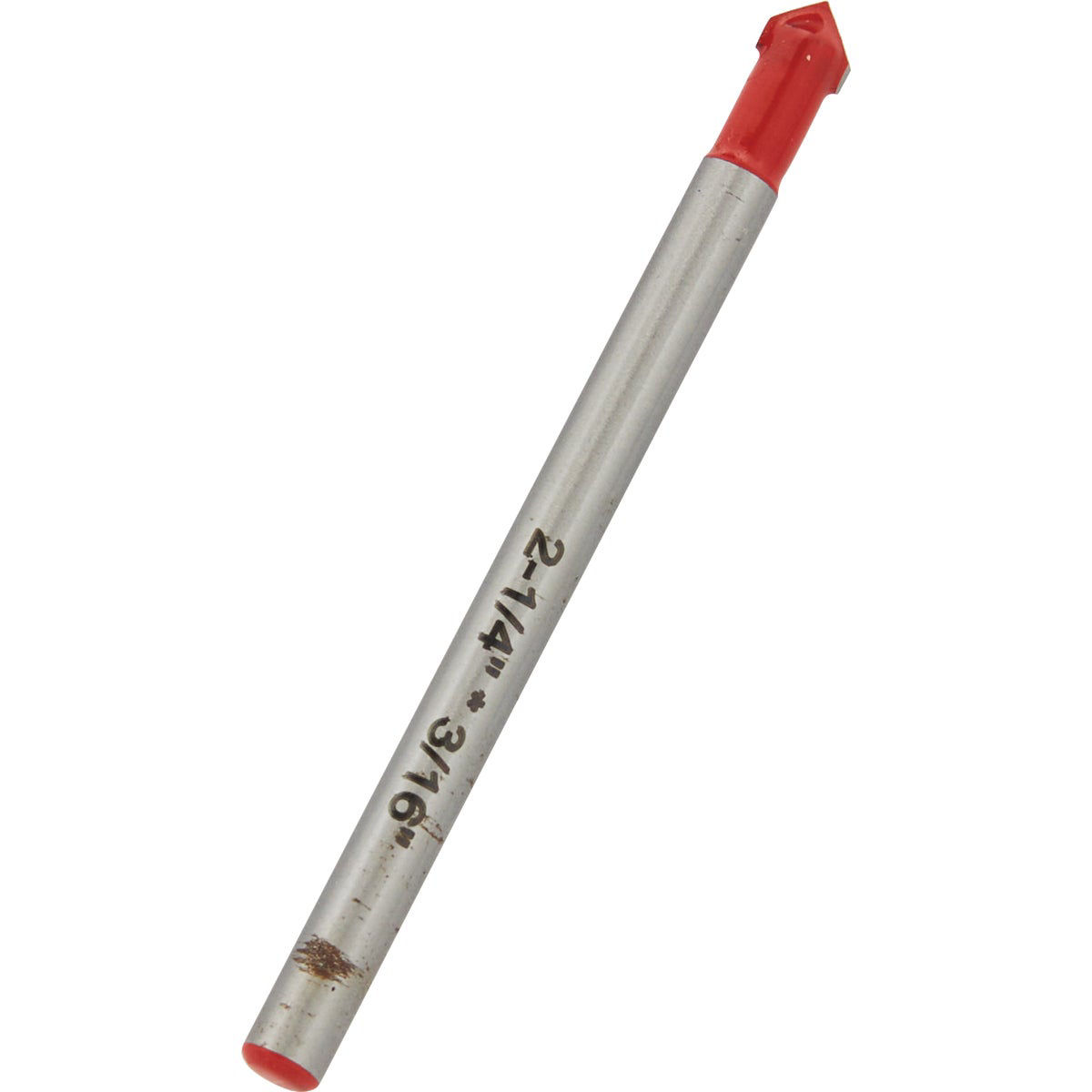 |
| Glass and Tile Bit Sets | Set of varying diameters for ceramic or porcelain projects | Includes multiple sizes. Designed to reduce pressure and avoid damage. | 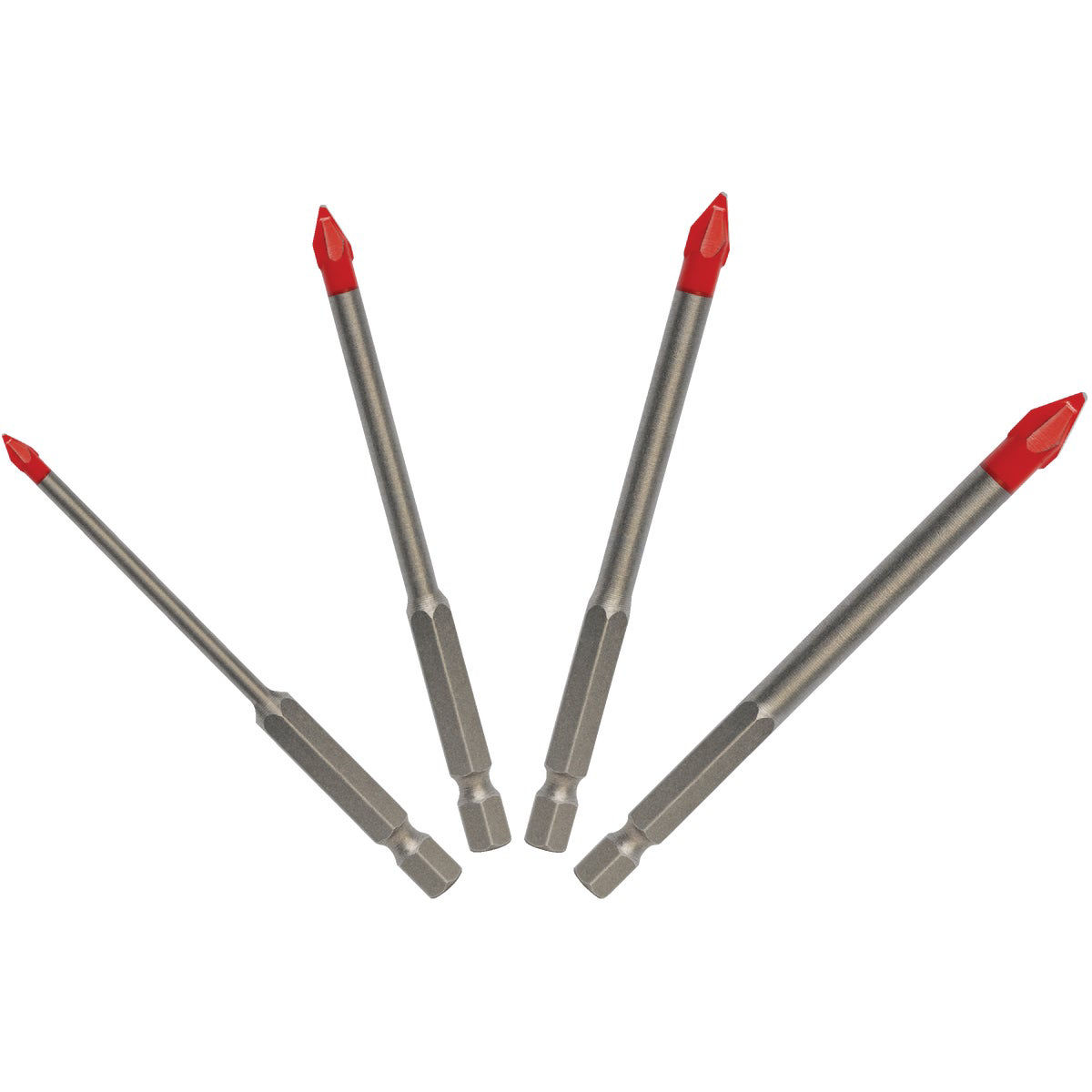 |
| Step Drill Bits | Creating large holes in thin metal, sheet steel, or plastic | Multiple diameters in a single cone-shaped bit. Eliminates the need to switch bits. | 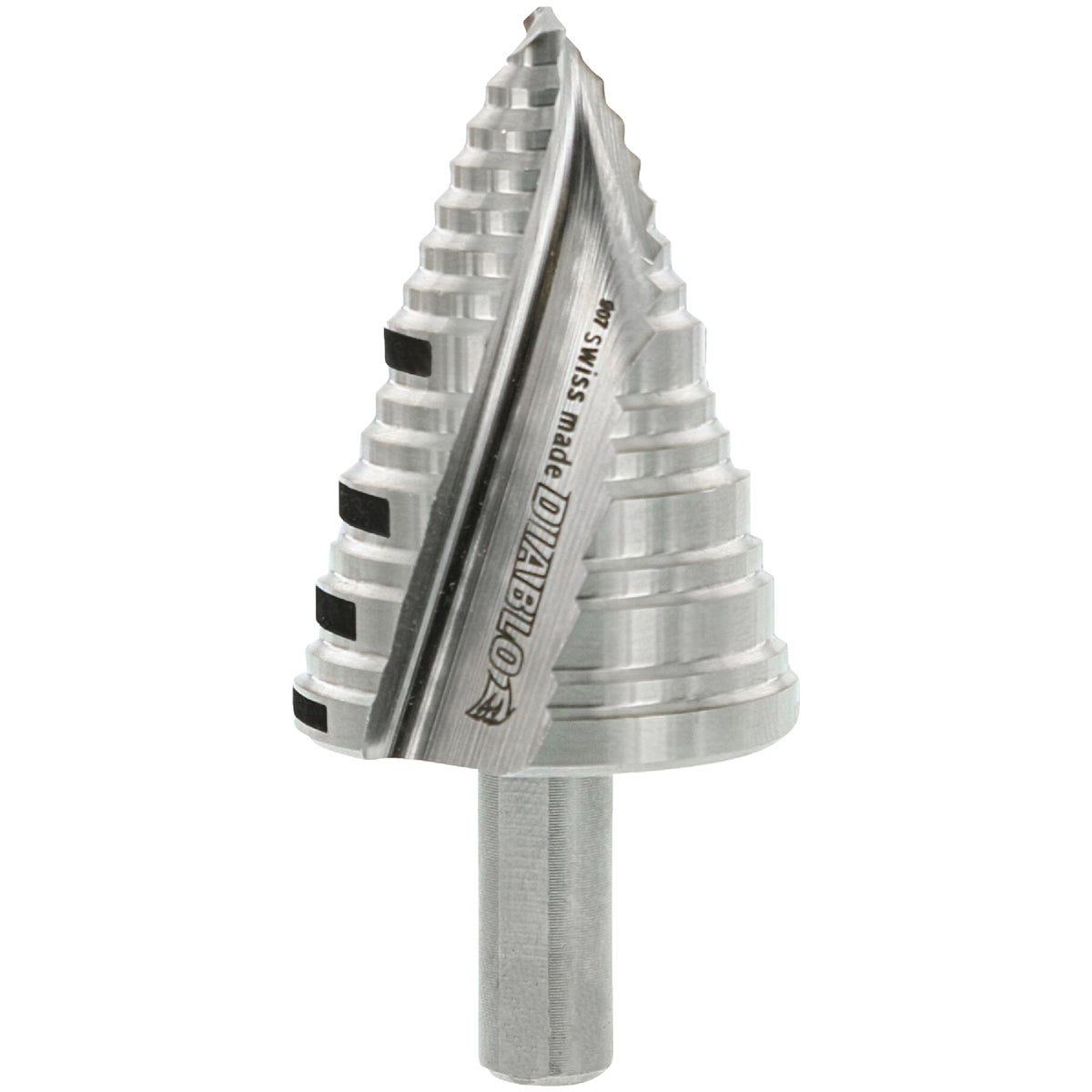 |
| Step Drill Bit Sets | Full range of hole sizes for electrical, plumbing, HVAC, etc. | Includes case and multiple different bit diameter | 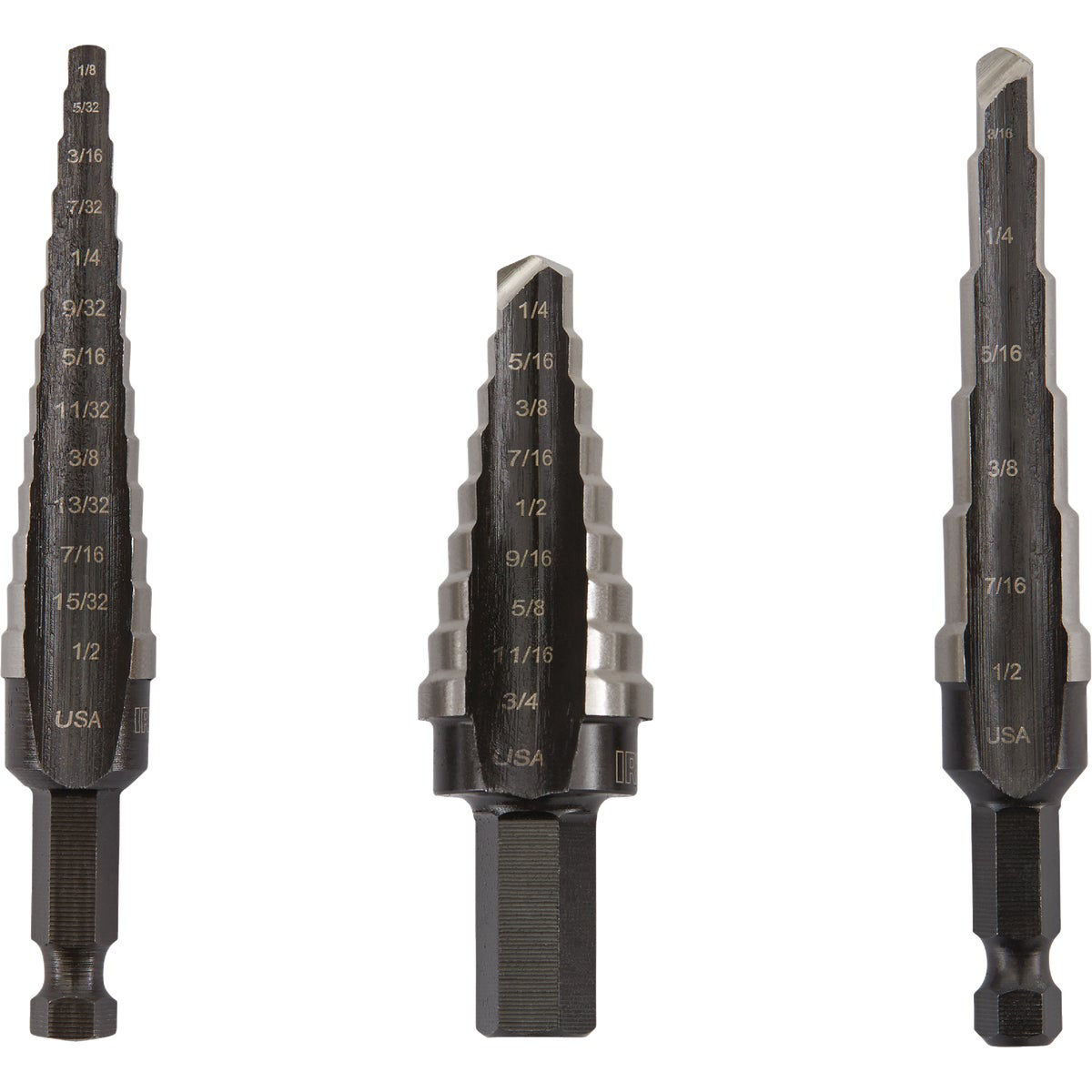 |
| Left Hand Drill Bits | Removing broken fasteners or screws by drilling in reverse | Reverses bit direction to remove broken fasteners while drilling | 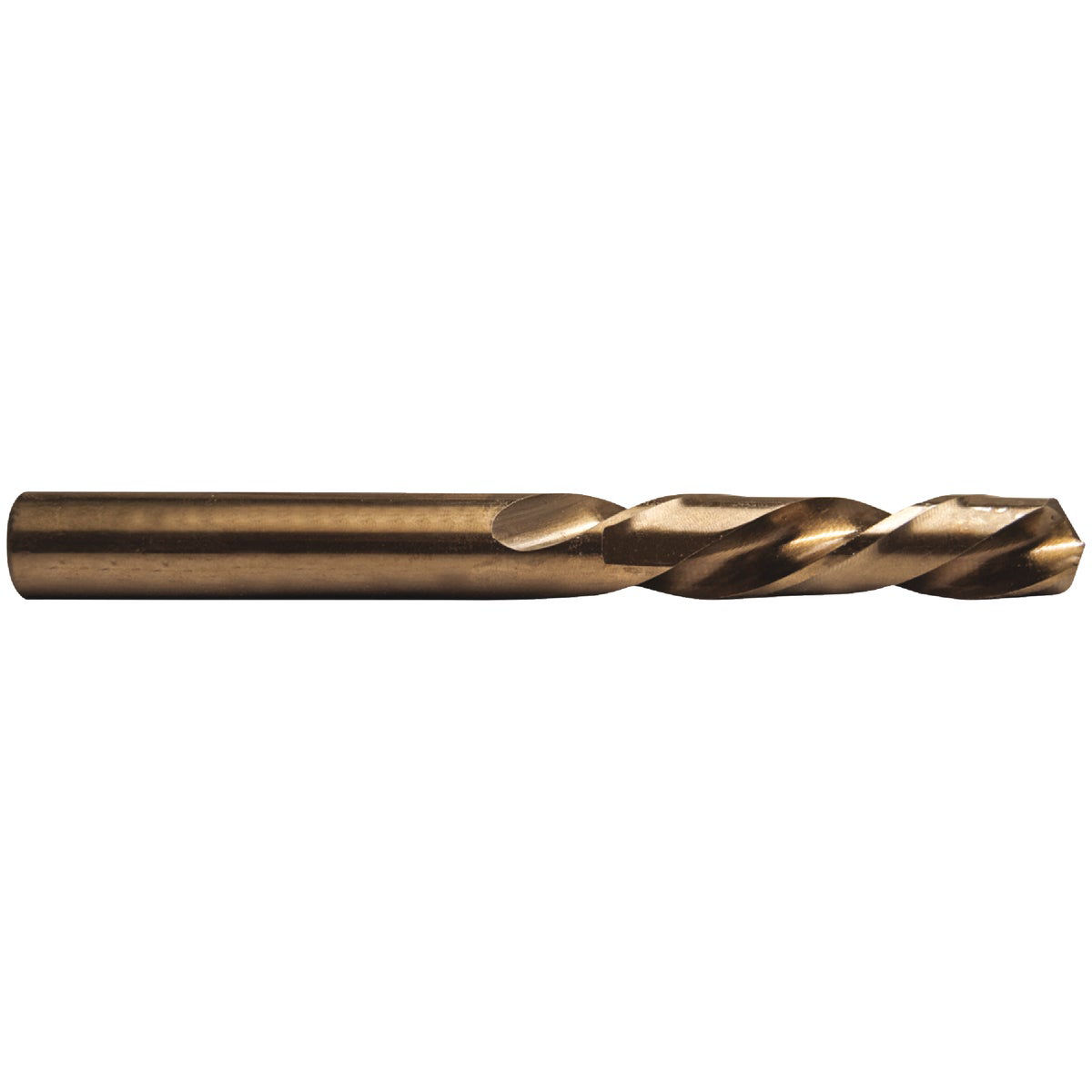 |
| Left Hand Drill Bit Sets | Set of reversed bits for extracting fasteners or special drilling needs | High-speed steel construction with multiple sizes | 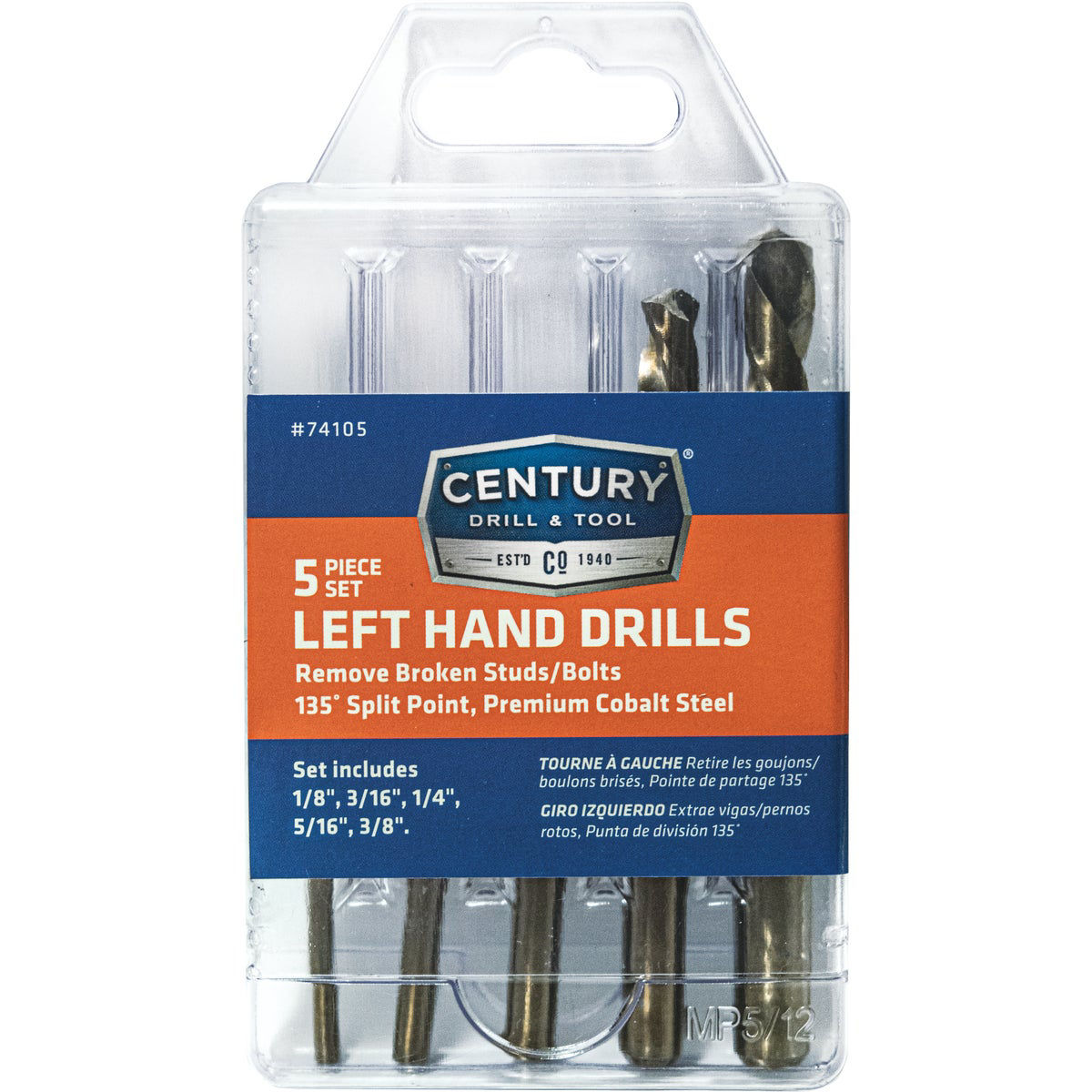 |
| Hinge Drill Bits | Centering pilot holes for cabinet hinges or door hardware | Spring-loaded self-centering guide, ideal for furniture and cabinetry | 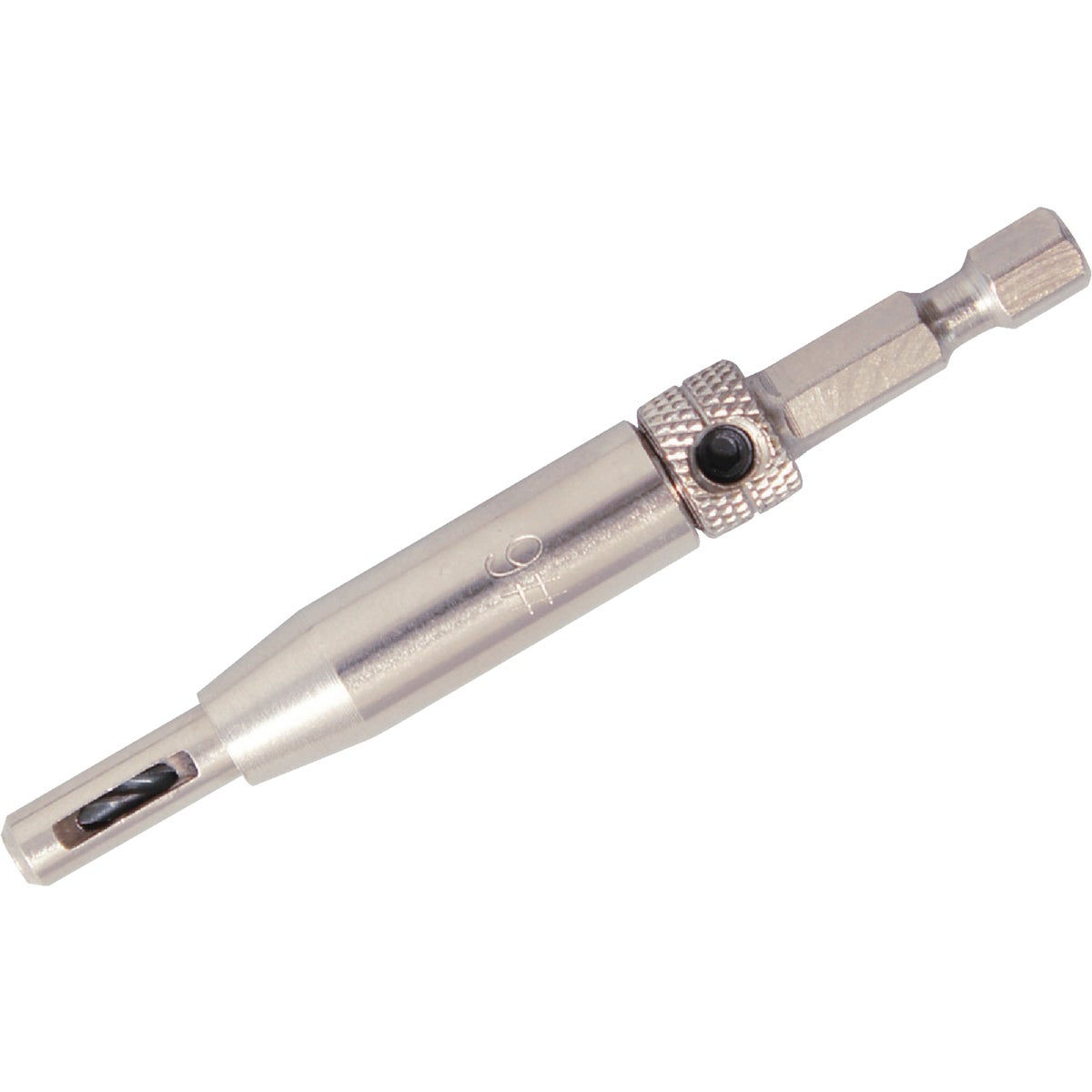 |
| Hinge Drill Bit Sets | Includes various sizes for hardware installation | Reduces risk of off-center mounting. Convenient set for carpenters and professional use. | 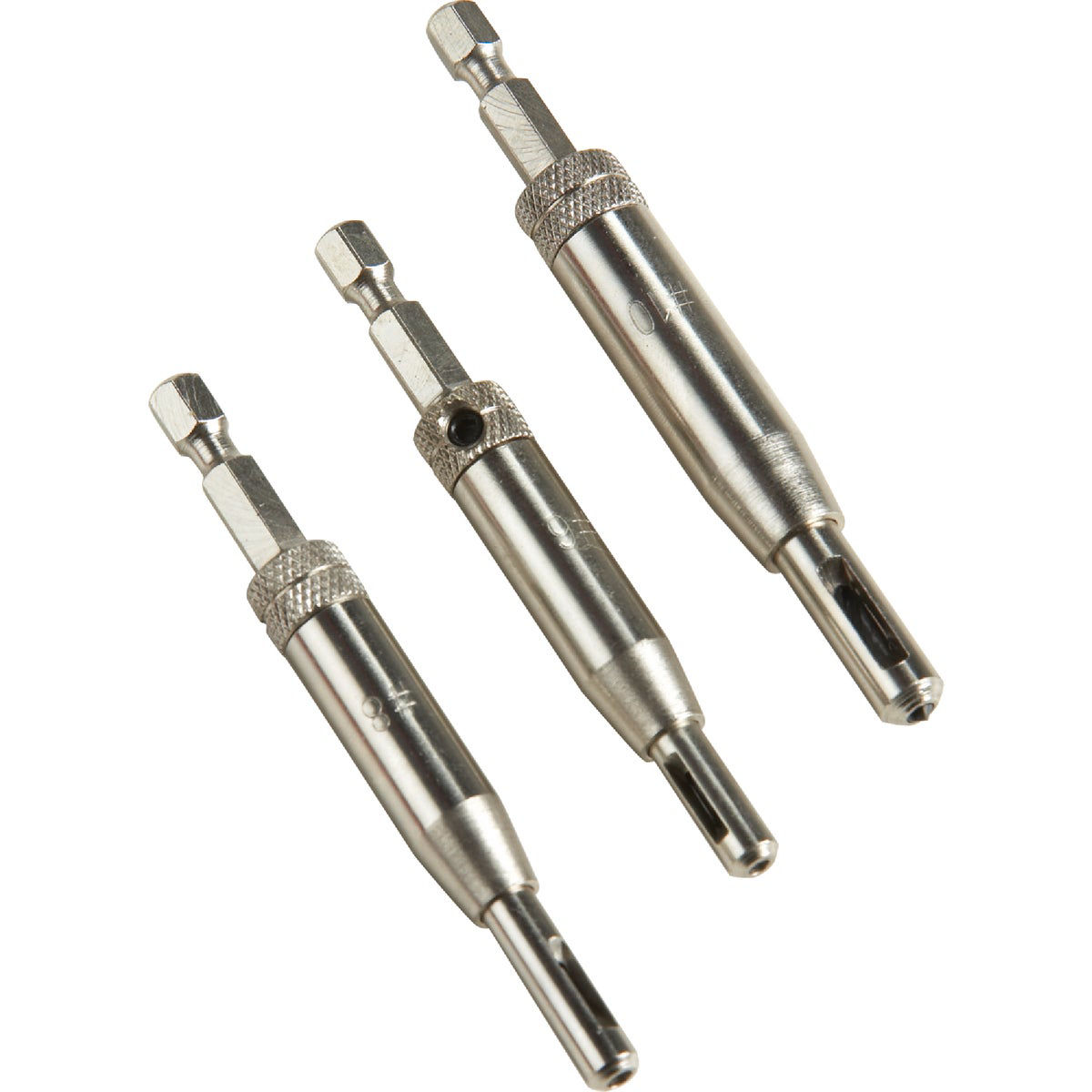 |
| Drill Tap Bits | Drill and tap holes in one step | Combines two steps, perfect for speeding up installations | 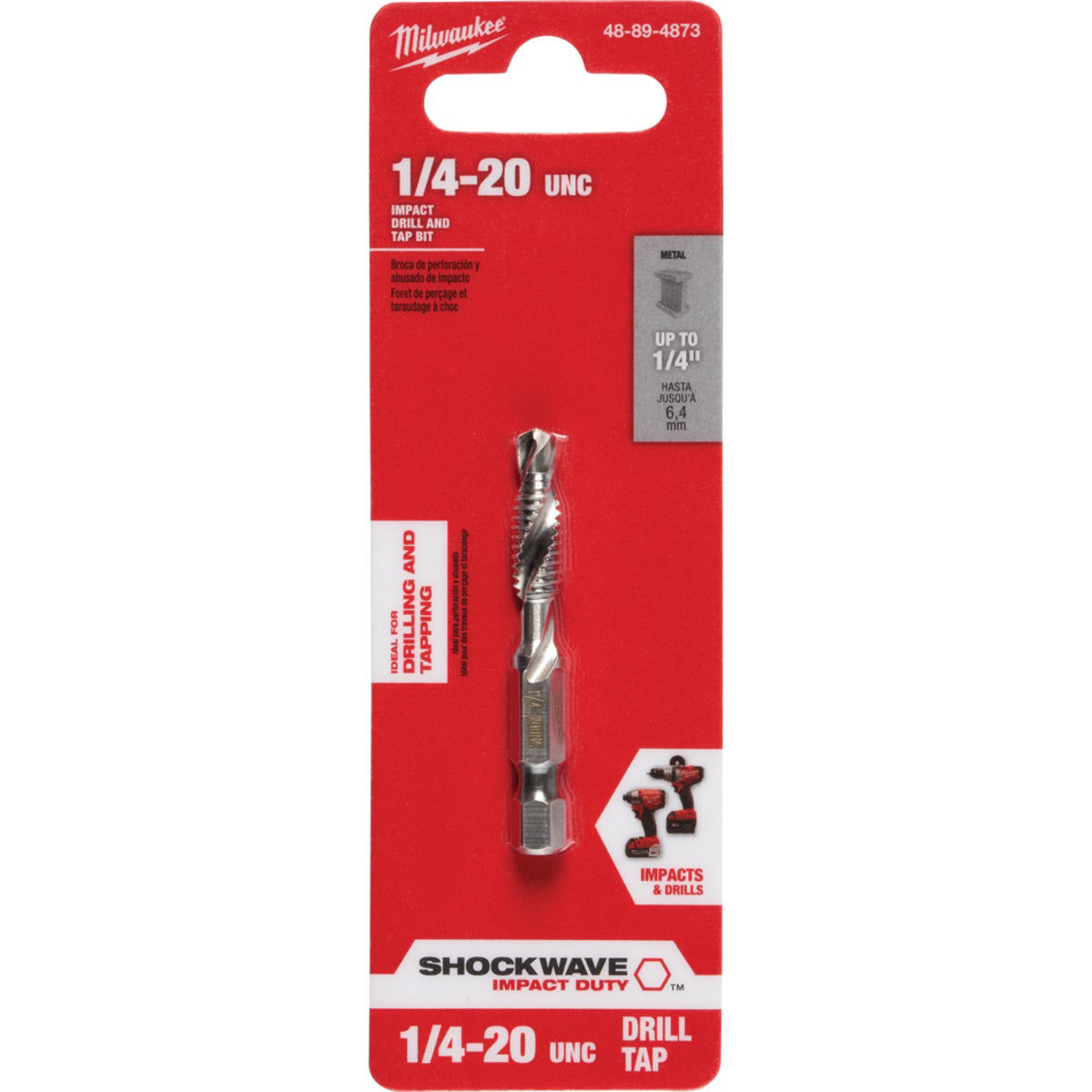 |
| Drill Tap Bit Sets | Multi-size set for threading screws in metal or other materials | Includes SAE and UNC sizes. Saves time and effort during installation. | 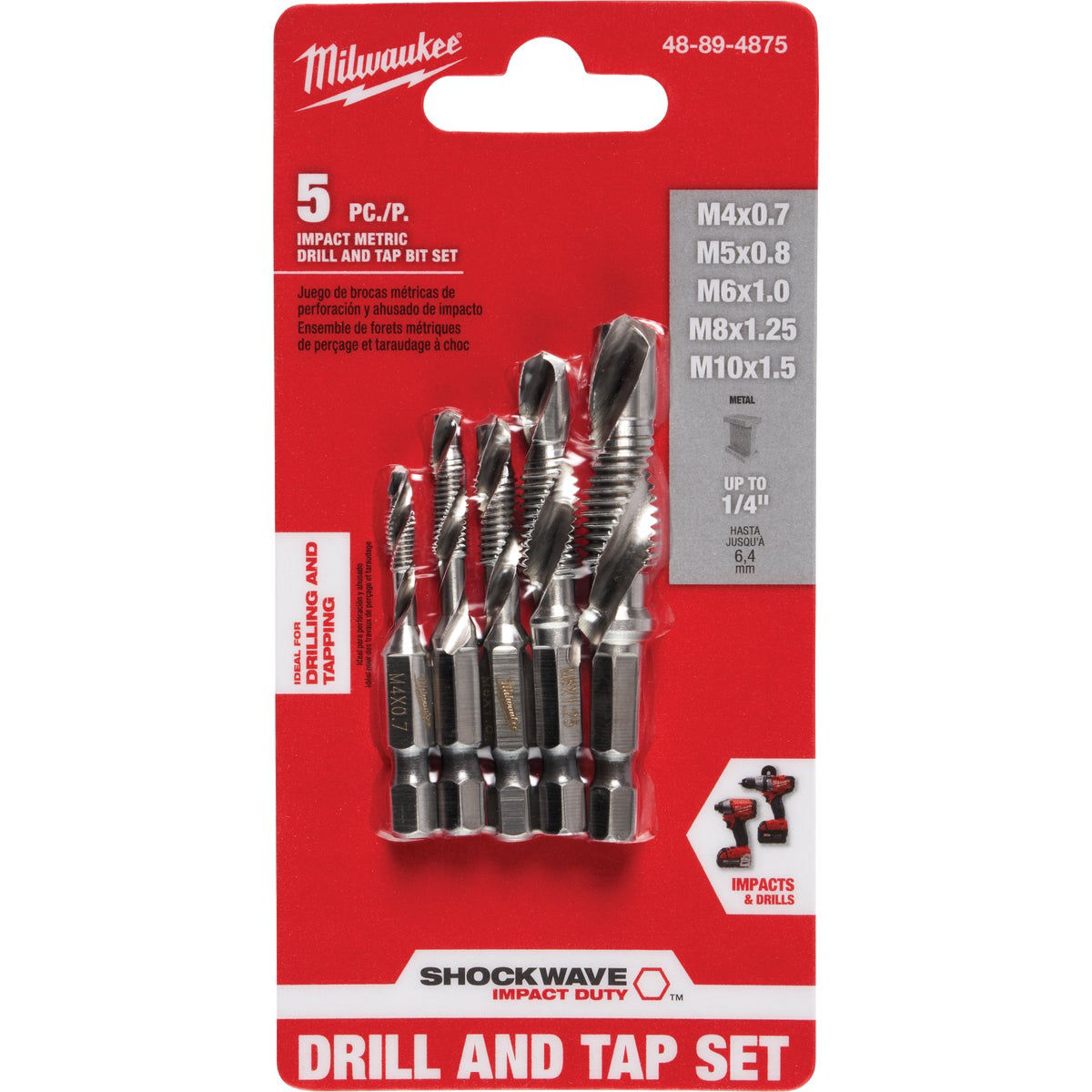 |
| Installer Drill Bits | Long-reach bits for wiring, cable routing, or drilling behind walls | Extended shaft with 12-24 in. options. 10mm-7/16 in. diameter options. | 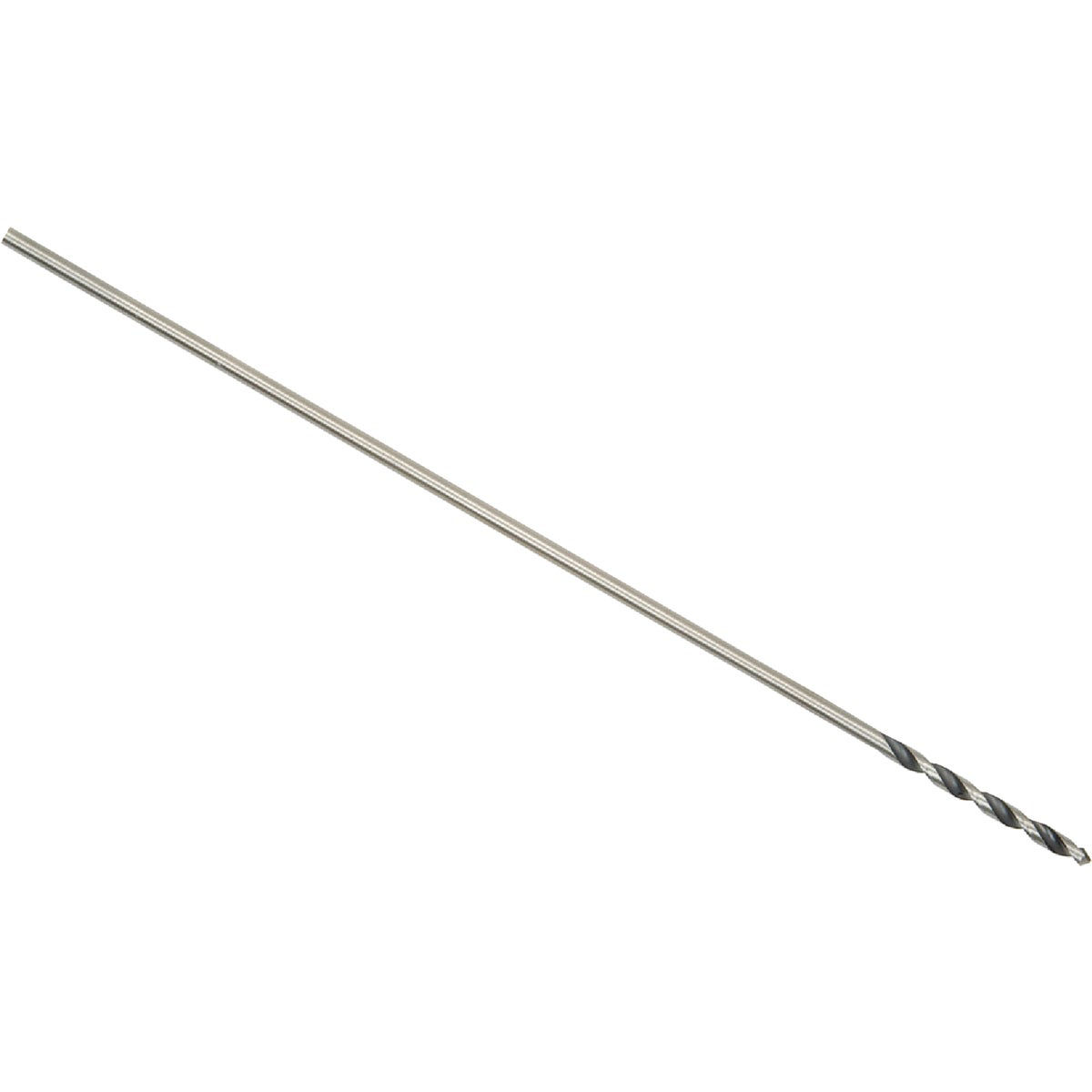 |
| Mortising Cutters | Precise drilling for mortise and tenon joinery during | Creates clean square edges for wood joints | 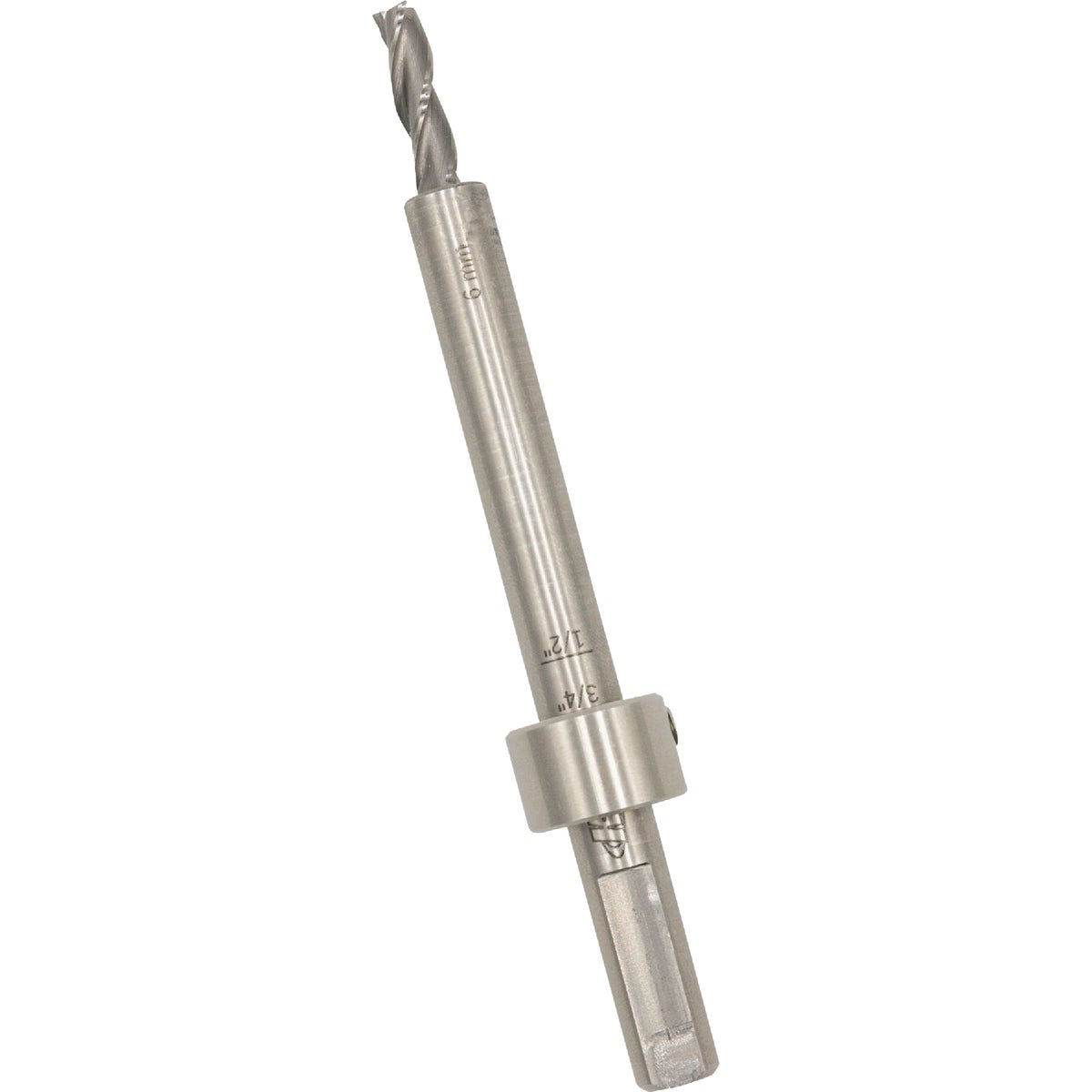 |
| Pocket Hole Drill Bits | Drills angled holes for pocket hole joinery (used with jigs) | Designed for fast and hidden joints in woodworking projects | 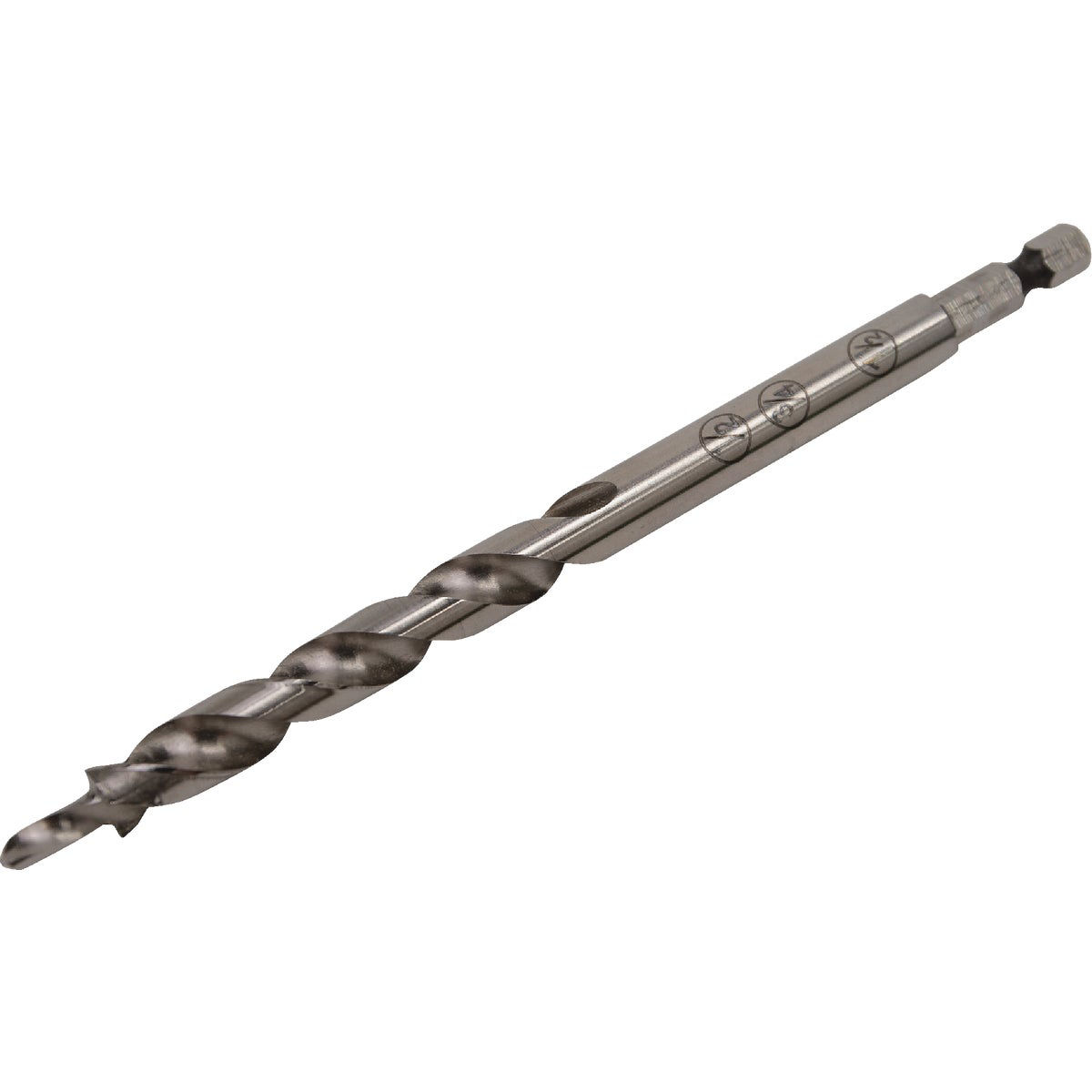 |
What Are the Benefits of Specialty Drill Bits?
Having special drill bits on hand provides many benefits for many different projects:
- Cleaner Results with Less Effort: Specialty drill bits are built to handle specific materials or situations (tile, metal, wood, etc.) so you get smoother holes, cleaner edges, and fewer mistakes.
- Prevents Damage to Tools and Materials: Using the wrong bit can crack tile, strip screws, or burn out your drill motor. Specialty bits reduce stress on your drill and prevent damage to surfaces and tools.
- Saves Time on Complex Projects: Bits like drill tap combos and step bits let you complete multiple steps (drilling, tapping, enlarging holes, etc.) without swapping tools or bits.
- Essential for Certain Materials: Some jobs can’t be done safely or cleanly with standard drill bits. Glass, tile, or sheet metal typically require special tips or coatings to cut without cracking or warping.
- Increases Versatility: By expanding your bit collection instead of buying more drills or drivers, you can do more with the power tools you already own.
- Better Fit and Finish: For cabinetry, furniture, and other visible work, using bits like hinge or pocket hole drill bits ensures accurate alignment, consistency, and an appealing appearance.
Choosing the Right Specialty Drill Bit
Not all jobs can suffice with a traditional drill bit. Specialty applications need the right bit to avoid material damage and achieve a professional result. Here’s how to choose the best option based on your task:
- Match Bit to Material: Different materials require different bit shapes and coatings. Use tile and glass bits for brittle materials to prevent cracking, step bits for drilling through sheet metal, and pocket hole bits for woodworking joints.
- Consider the Outcome: Specialty bits are about drilling the right holes. Hinge bits keep pilot holes perfectly centered to avoid crooked hardware. Drill tap bits let you tap threads while you drill, eliminating the need for separate tools.
- Speed vs. Accuracy: If you're prioritizing speed and productivity, go with drill tap or step bits, which combine multiple steps in one tool. For projects where alignment and accuracy are more important, hinge bits and mortising cutters provide more control and cleaner finishes.
- Bit Set vs. Single Bit: Buying a set gives you a wider range of hole sizes and replacement options, especially if you're unsure what size you'll need or if you're doing varied work. Single bits are ideal if you frequently repeat one type of task and only need a single tool.
- Bit Compatibility: Check the shank type and size before buying to ensure compatibility with your drill. Also, ensure your drill has enough torque for bits like drill taps or installer bits, which may be restricted under pressure.
- Project Frequency and Use Case: If you're a DIYer taking on a specific project, it may be worth purchasing a single specialty bit. Professionals or frequent users will benefit more from a full set, especially for bits prone to wear like step or tap bits.
If you’re working on tile or glass, cabinets, or just looking for more versatility with your power tools, True Value has the right specialty drill bit for you. Browse our full selection of specialty drill bits today and take advantage of home delivery or same-day pickup at your nearest True Value location.
Specialty Drill Bit FAQs
Some specialty bits are impact-rated, but many require steady speed and torque control. Using the wrong tool can damage the bit or material.
Mortising cutters work best with drill presses or specialized mortising drills, but some can be used with handheld drills depending on design.
Signs include overheating, excessive pressure needed to cut, burning, or rough hole edges. This is especially common with step and tap bits as they typically wear quicker.
No. Many specialty bits require slower RPMs to prevent overheating or cracking, especially tile, glass, and large-diameter metal bits.
For metal drilling (especially with step or tap bits) cutting oil can significantly improve performance and extend bit life.