Make Textured Paint
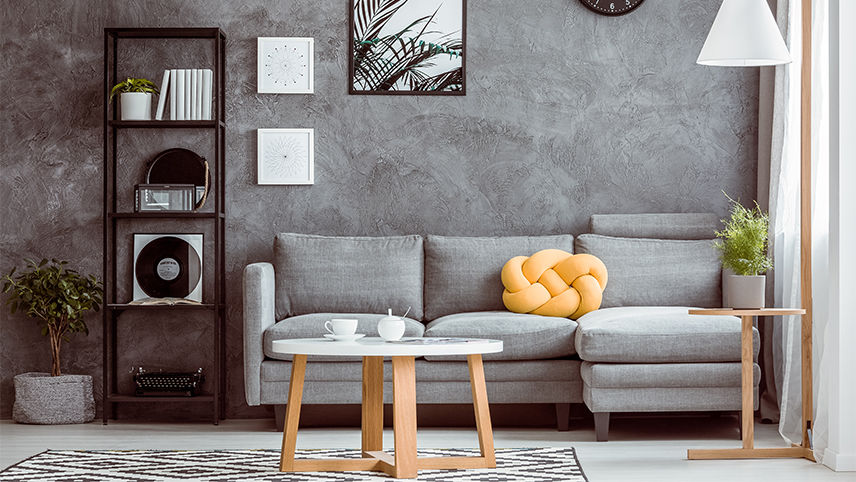
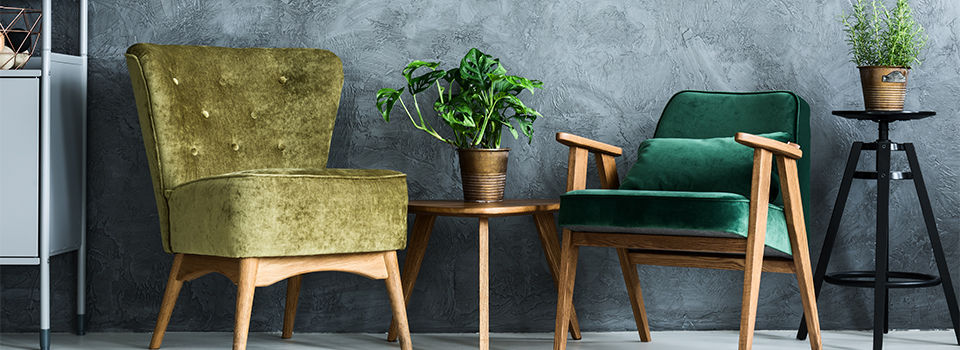
You can add texture to your walls using textured paint. Using paint in this way can give you more options than the basic eggshell, satin or flat sheens. Instead, you may choose from stone, sand, faux finish or original textures. Textured paint is good for hiding blemishes that a flat or satin sheen might show. You can buy textured paint pre-mixed or you can buy packages of powdered texture additive or sand (formulated for mixing with paint) to add to standard paint, such as True Value EasyCare Ultra Premium Interior Paint. Note: Texture additives can be added to both latex and oil paints.
HELPFUL TIPS
• Buying powdered additive is convenient because you can mix the right amount of texturing agent you need for the particular job and effect you’re going for.
• Some pre-mixed textured paints are designed for use on both walls and ceilings, but some are designed specifically for one or the other. Check the package to make sure you’re buying the product you need.
Step 1: Prep the Room
Move furniture out of the room or cover it with drop cloths. Also cover the floor to protect it from paint spills and secure the cloths to the floor using painter’s tape. Mask woodwork that you don’t want ruined by paint splatter. Remove fixtures, switch plates, etc., or mask them.
Step 2: Mix Paint and Texture
Pour paint into a large paint mixing container about ½ full. Slowly pour in the additive while mixing together with a mixing stick. Try to add a half cup of the additive at a time until you reach the consistency you’re looking for.
Step 3: Prime the Wall
For best results, apply True Value EasyCare Ultra Premium Interior Primer/Sealer with a brush or roller, starting at the top and painting in a “W”, “X” or “N” pattern and then fill in the spaces. Continue this until you are at the bottom of the wall. Once you reach the bottom load your roller with primer and starting at the top roll all the way to the bottom then go back next to where you just rolled and roll to the bottom again. This should be done until all of the area you had just primed has been rolled in the same direction. Let it dry thoroughly.
SAFETY ALERT
Open the windows to make sure you’ll be priming and painting in a well-ventilated area.
Step 4: Paint
Next, apply your texture/paint mixture with the same technique you used with the primer. As you’re painting, look closely at the results and ensure that your desired texture effect is successful. If the texture isn’t coarse enough for your tastes, add more texture additive to your paint and start over. If it’s too much, you may need to start a new mixture of paint and texture to get the effect you want.