How to Fertilize & Mulch Your Garden

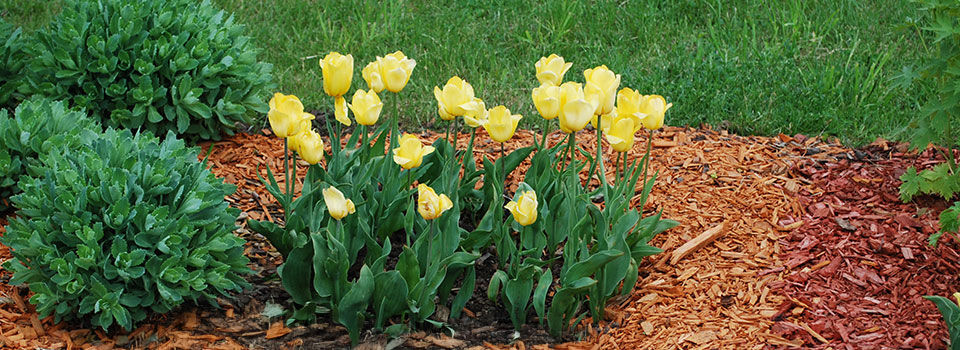
Yellow and red tulips, Sedum telephium 'Herbstfreude', Heuchera on the flowerbed, sprinkler with orange and red dyed mulch. Ornamental plants for landscaping

Adding fertilizer and mulch to your lawn and garden is an easy weekend home improvement project that will keep your yard looking healthy and beautiful. Simply follow the gardening tips and steps below and watch the fertilizer and mulch do the work for you!

Fertilize Your Garden

For best results, fertilize your garden at the end of the summer. The more time you spend preparing your garden, the better the overall effect will be come spring.

Step 1: Choose Fertilizer

Adding plant fertilizer to your garden will enrich the soil and create stronger, more beautiful plants and flowers. The most common types are dry or liquid plant food & fertilizer. Granular fertilizer, the most common, is slow releasing. Liquid fertilizers are quickly absorbed into the soil and easy to use with a garden hose.

Some fertilizers are packaged for certain uses and types of plants. This makes it easy to distribute the right nutrients to the right plants in your garden. Read labels for application times, amounts and conditions. Apply only as directed on the package.

Helpful Tips

Plant your garden in groupings according to their fertilizer needs.

To ensure you are using the correct type of fertilizer, purchase a soil testing kit.
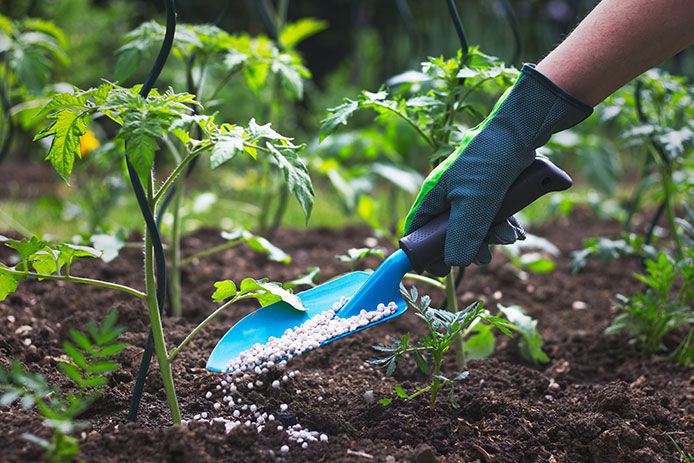
Spreading fertilizer in vegetable garden with spade

Step 2: Apply Fertilizer

When you’re ready to fertilize, spread the recommended amount evenly over your garden with a rototiller or spade. Mix or till the fertilizer 4″ to 6″ into the soil. Soil type dictates how often the fertilizer needs to be applied. Sandy soils require more frequent applications of nitrogen and other nutrients than clay-type soils.

Helpful Tip
Instructions on bag will inform you of how many pounds per square feet need to be applied. For reference, 10 lbs per 1,000 sq. feet is a common application.
Safety Alert!
Any fertilizer spilled on roads or sidewalks should be cleaned up promptly. Improper use of fertilizers may contribute to pollution of lakes and groundwater, so use a broom to sweep up spills immediately.

Step 3: Water Immediately

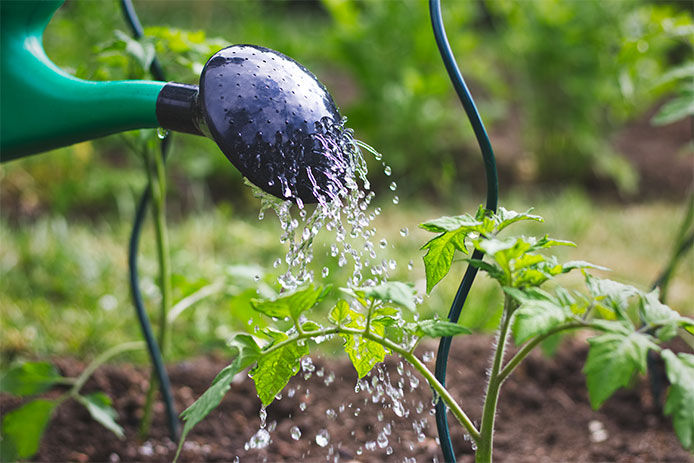
After applying fertilizer, water the area immediately with a garden hose or watering can.

Watering vegetable garden after spreading fertilizer

Mulch Your Garden

Spreading mulch can simplify gardening. It helps prevent weeds, reduces the need to water and keeps soil temperatures consistent.

Step 1: Water the Soil

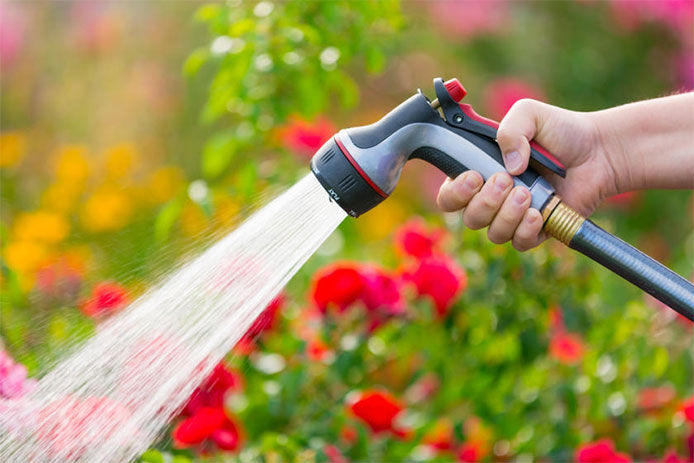
It is very important to water your soil prior to mulching. Dry soil and mulch combined can actually prevent water from soaking into the ground. Use a garden hose and allow the water to soak into the soil 6 to 8 inches.

Watering rose garden with hose

Step 2: Remove Weeds

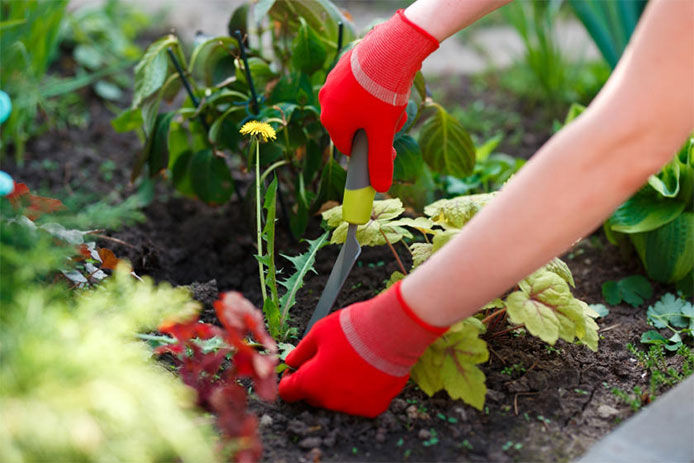
Remove existing weeds from the area you plan on mulching with a trowel.

Removing weeds from landscaping with trowel

Step 3: Add Materials

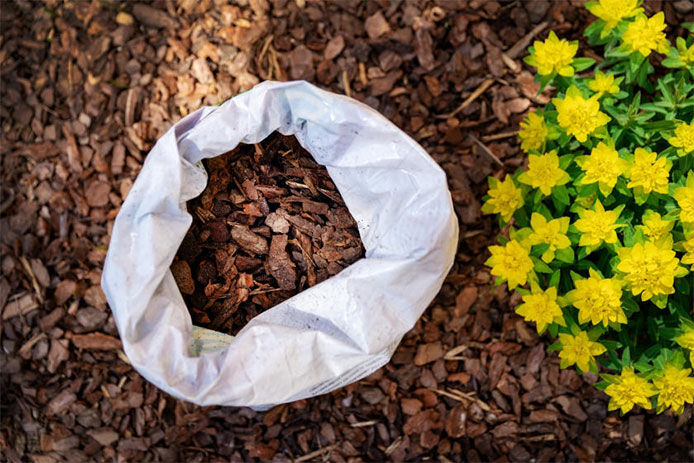
Typically, wood chips and bark mulch work well within gardens because they are uniform and take a long time to decompose.

Bag of mulch ready to be laid

Step 4: Layer Mulch

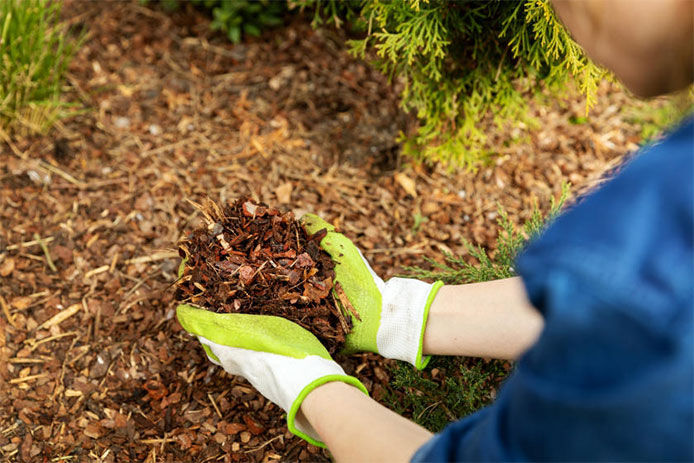
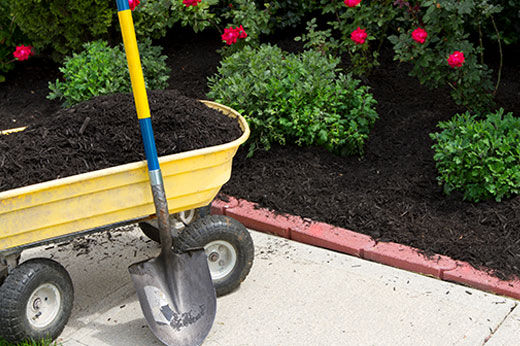
Layer mulch 2″ to 4″ deep. It should be thick enough to block light and keep weeds from sprouting. Be careful to keep mulch away from the crown of plants, as it could potentially kill the plant.

Woman laying mulch in landscaping

Step 5: Replenish Mulch

Mulch breaks down steadily over time. Replenish when just a thin layer remains. By adding mulch, you are improving your soil and reducing the need to water and pull weeds.

Great work! When you keep up with fertilization and mulching, you keep your garden thriving. Watch and enjoy your garden as it continues to flourish!

Fertilize Your Garden: Project Shopping List

Here’s what you’ll need to complete this project successfully.

Mulch Your Garden: Project Shopping List

Here’s what you’ll need to complete this project successfully.

test

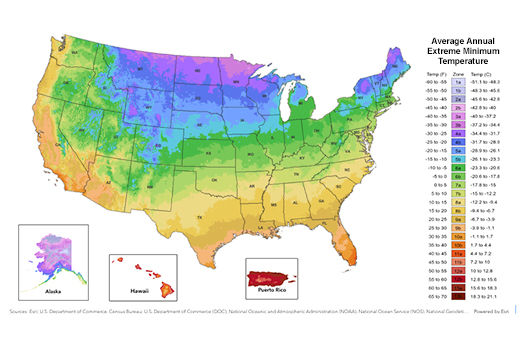
How to Know Your USDA Plant Hardiness Zone

Knowing what gardening or plant hardiness zone you live in can help you choose what to plant in your garden. Check our planting zones map!

Learn more
test

How to Winterize a Lawn Mower: 6 Steps

If you want to know how to winterize your lawn mower, check out our new six steps guide! Learn all about lawn mower winterization, lawn mower storage and more.

Learn more
test

5 Tips to Winterize Your Home’s Exterior

Before the first frost hits follow these 5 tips to get your home exterior ready for the winter cold.

Learn more
test

How to Build a Horseshoe Pit

6 Steps - Learn how to install a horseshoe pit in your backyard including how to build the frames, excavate the ground, and setting the stakes with this DIY guide from True Value.

Learn more
test

Garden Cart vs. Wheelbarrow: Which One to Buy for Your Garden

Transport heavy materials or equipment with ease using a wheelbarrow or cart. Discover the differences between them to pick the best one for you.

Learn more