Step 1: Evaluate
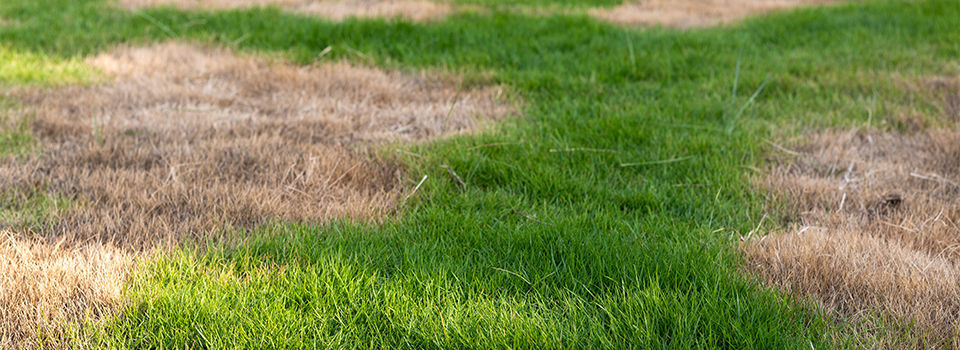
These harsh chemicals run off of sidewalks, walkways and driveways and burn adjacent grass and other vegetation. After winter weather is over, it’s a good idea to evaluate your yard to see where salt may have affected grass and vegetation in your yard so that you can take the necessary steps to reverse any damage.
Helpful Tip
The best offense is a good defense; preventing or lessening salt damage is the most effective way to keep salt and de-icers from hurting your lawn. During winter, try not to use de-icing salt (sodium chloride) — or use it sparingly. Use calcium magnesium acetate, which is the most environmentally safe product to remove ice. It is allegedly as corrosive as normal tap water. You can also use burlap screens, plastic fencing or snow fencing to protect areas of your yard adjacent to roadways from salt spray and snow buildup.
Step 2: Give Grass a Flush
Thoroughly water your lawn adjacent to concrete surfaces to flush remaining salt, de-icer and residue from plants and soil. Try adding a few drops of a mild dishwashing liquid to a hose-end sprayer attachment when spraying your yard using a garden hose. This will wash away salt residue and any other buildup from the grass and help oxygen make its way to the roots.
Step 3: Treat the Grass
Pelletized gypsum soil conditioner is a good treatment for salt-damaged grass. Gypsum (calcium sulfate) replaces salt (sodium chloride) with calcium and sulphur, both of which “heal” the grass and foster its growth. It also helps soil retain water and decreases erosion.
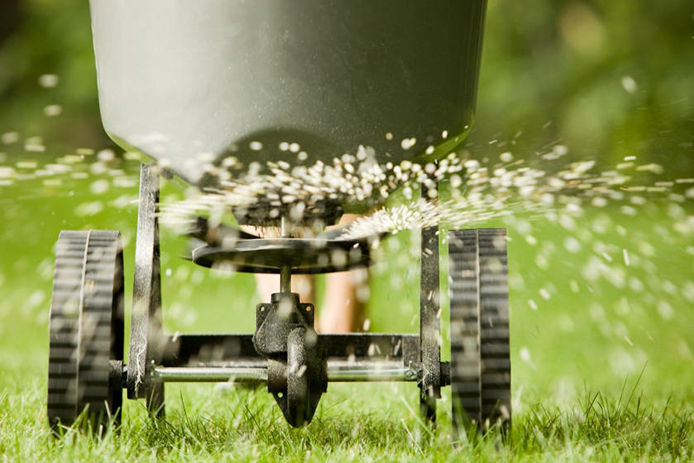
Simply spread a thin layer over the affected areas of your yard, using a lawn spreader and then thoroughly water it. You should see results in a couple of weeks. If the grass hasn’t returned to its natural green color, you may have to remove these patches and reseed.
Helpful Tip
Treat the grass with gypsum as soon as you notice salt-affected areas. The sooner you repair it, the less damage there will be and the faster the regrowth.