What Is Relative Humidity?
You will often hear of relative humidity when you read about indoor humidity control. Humidity is the air’s amount of water vapor. Relative humidity measures the water-air combination in relation to the maximum potential amount.
Why Is My Home Humidity So High?
What causes high humidity inside a home? Several factors can contribute. Improper ventilation and lack of humidity control in a humid environment are two common causes. Poor insulation, indoor activities and lack of vapor retardants can also contribute. Indoor humidity issues can be harder to control for people in humid climates like the South.
How Does Humidity Affect Me and My Home?
Before delving into the ideal home humidity levels, it is important to understand the effects of humidity. There are several potential concerns when humidity levels are above or below certain points.
Concerns With High Humidity
Bacteria and mold thrive in environments with higher humidity. Studies show that infectious bacteria do not thrive when relative humidity is under 70%. When humidity is above 50%, dust mites are minimized. Many people are allergic to these mites, and humidity at 80% or higher is ideal for them to thrive. Most fungi do not thrive unless the humidity is above 80%.
What are signs of high humidity in a house? These are some potential signs of high humidity issues:
- Aggravated allergies
- Visible mold
- Mildew smell
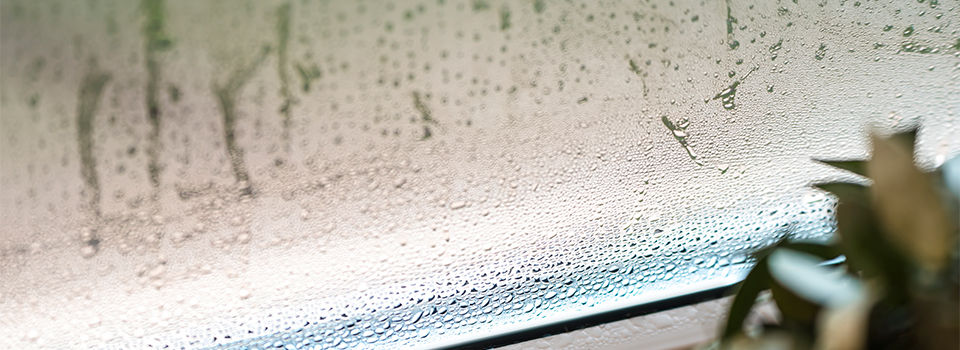
- Foggy windows
- Soft or rotting wood
- Clammy or moist air
Concerns With Low Humidity
Humidity that’s too low can also be problematic. While mold and bacteria may not thrive, the effects can be detrimental to your home and health. These are some potential effects of low home humidity:
- Aggravated respiratory issues
- Dry or cracked skin
- Dry eyes and nose
- Cracked furniture or paint
- Peeling wallpaper
- Static electricity