Step 1: Plan Your Landscape
To make your landscape low-maintenance, thinking and planning your landscape is essential. Use a notebook and pencil to sketch out your plan and jot down your ideas. The more time you put into planning, the less work you’ll have to do later, which is a good first step toward a low-maintenance landscape.
Evaluate your current landscape. Note the types of plants and vegetation that are currently growing, as well as any hardscaping, existing flowerbeds, and any areas of excess sun or shade.
Helpful Tip
Evaluate your soil with a pH test kit. Knowing the type of soil with which you’re working will help you decide which plants to use and which fertilizers are applicable. The healthier your soil, the healthier your plants, which cuts down on tending to them.
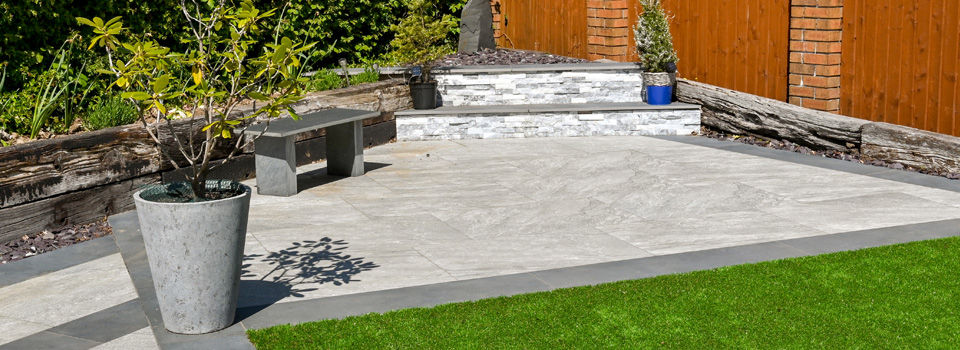
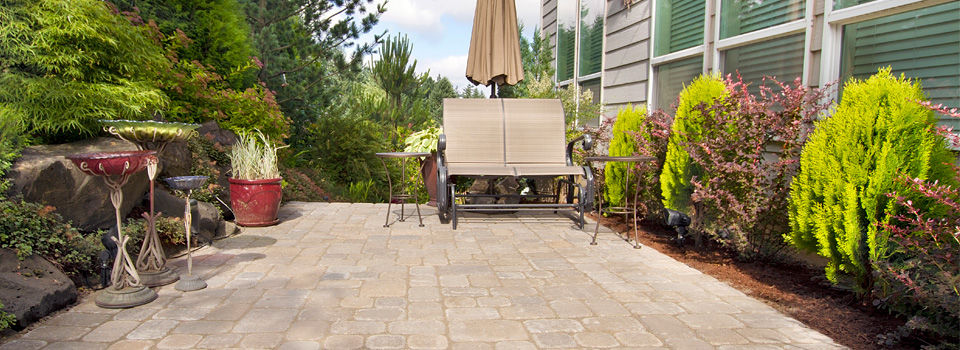
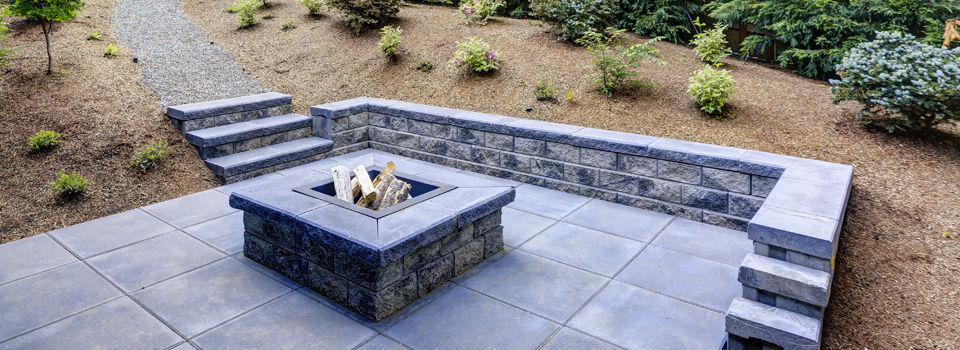
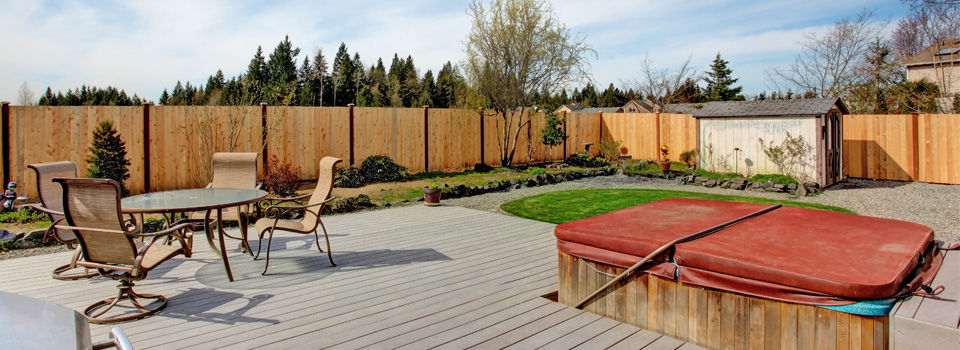
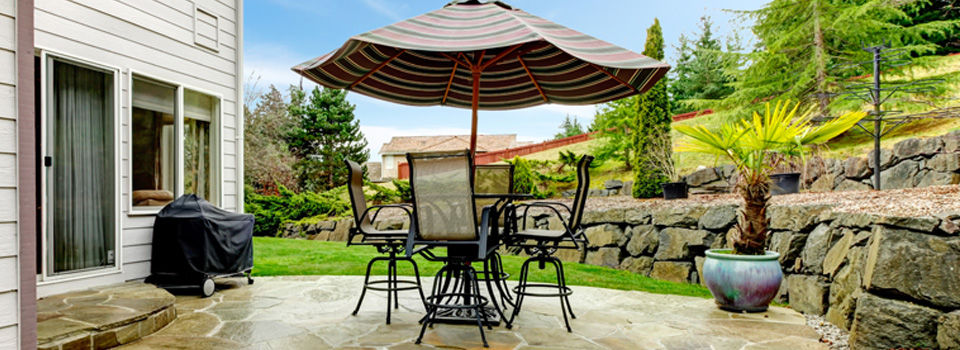
Determine your particular needs. Plan your landscape around how you’ll be using it. Houses with small children may need open, grassy areas that are safe and easily monitored. If you like to entertain, you may have an established patio area for special occasions. Expanding your patio and adding additional paved areas or hardscaping features can cut down on plant maintenance as well as create an even more attractive destination for family and friends. If you have pets, they often bring additional landscaping maintenance tasks to your workload. Creating a separate outdoor space (dog run) for pets to do their business can let you enjoy your pets’ company and reduce the wear they can create on your landscape, which in turn decreases lawn maintenance tasks.