Step 1: Prepare Planters
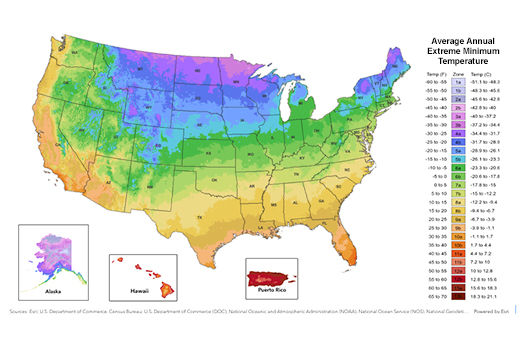
Timing is critical. If you start your seeds too soon, they may grow out of their containers before spring arrives. Start them too late and they won’t be ready in time. A good rule to follow is to start your seeds about eight weeks before the last expected spring frost. Consult your local weather channel or conduct an Internet search for the almanac forecast in your area.
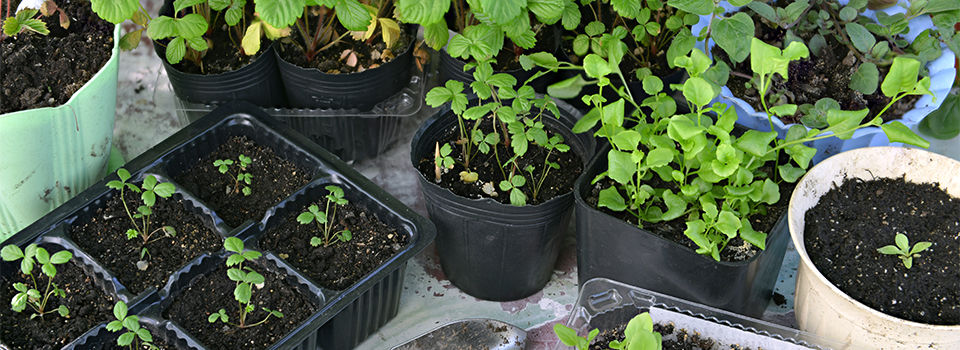
Choose a starter planter with proper drainage. Get creative! Seed flats, peat pots, plastic cups, egg cartons, even takeout boxes with holes poked in the bottom work well. In general, your planting containers should be at least 3″ to 4″ deep. Fill them to about 1/4″ from the top with soil.
HELPFUL TIP
Egg cartons and peat pots need to be soaked in water before adding soil and seeds or they will draw moisture out of the soil.
Step 2: Get Good Planting Soil
The soil you use should be healthy and free of debris, insects and other seeds. The best type of soil for starting seeds is commercial potting soil or germination mix, which can be found at your local True Value® hardware store. These planting mediums are sterile, free of weed seeds and have the right amount of nutrients for newly emerging plants.
Your soil should be lightweight and full of air. Soil-less mixes containing peat or peat moss have excellent moisture retention and stay moist longer. Perlite and vermiculite have the same effect. If you want to make your own soil mixture at home, use one part loam, one part clean sand and one part leaf mold or moist peat.
HELPFUL TIP
Certain types of fungi can make indoor gardening go awry, so make sure the soil you choose has been sterilized.
You can sterilize your own soil by heating it in the oven or microwave with a medium-sized potato. When the potato is baked, the soil is ready to seed.