When the high temps finally start dropping, your lawn care routine changes. There are several things you can do in the fall to make your lawn look better next year. Also, proper fall lawn care will protect it during the colder months. This guide includes three critical fall lawn care tips.
The Ultimate Guide on Fall Lawn Care in 3 Steps
Watch @brunoandlibby fall lawn care
What Is Fall Lawn Care?

Shop True Value for Fall Lawn Care
Fall lawn care refers to several steps that professionals recommend specifically during the fall. The steps for lawn care in the fall months differ from those during the spring or summer. Raking, mowing, fertilizing, and seeding are important parts of fall lawn care.
What Should I Do to My Lawn Before the Fall?
Before the fall arrives, keep your lawn hydrated and mowed. Also, try to control weeds that tend to appear in late summer. For example, stickers often grow in late summer and early fall in many places. Use herbicide that prevents them from germinating before fall arrives if applicable. However, if you don’t have problems with weeds in the fall, this is usually unnecessary.
Be sure to stock up on the supplies you need for proper lawn care. You will need a good rake, extra grass seed, and lawn fertilizer for fall. The next section covers what you need to know about fertilizer. When is early fall in the United States? Fall starts in September, and leaves start falling in September or October in most places.
1. Fall Lawn Fertilizer
Is there fall lawn fertilizer? What month should I fertilize the lawn? What is the right lawn fertilizer schedule for fall? These are all common questions about fall fertilizer for lawns. The right fertilizer and schedule depend on your grass type. Be sure to find out if you have warm-season grass, cool-season grass, or a mixture of both. Warm-season grass is typical in the South, and cool-season grass is typical in the North. Transitional zones in the middle and some other regions may have a mixture of both.
What Is the Best Fertilizer for Grass?
While fertilizer bags may not be labeled specifically for fall, there are ideal formulas. What is the best fertilizer for grass in the fall? A 20-8-8 mixture is ideal for promoting healthy growth. A mixture of 13-25-12 is good for preventing disease. The phosphorous will also foster root growth and help the lawn green up faster in the spring.
So, what do these sequences of three numbers mean? They are nitrogen, phosphorus, and potassium concentrations. Higher amounts of nitrogen and potassium help protect from cold and promote growth next season. Also, they promote healthy rooting. If you live near a river, be mindful of phosphorus numbers. Fall river lawn care should include less phosphorus. There are special blends for such areas. Phosphorus can damage streams and rivers.
Be sure to read the manufacturer’s instructions for the rate of application. There are many different lawn fertilizer products and blends. Some are slow-release formulas. This means that the nutrients are distributed over a specific period. A mixture with 50% slow-release and 50% quick-release nitrogen is ideal for fall.
When Should I Fertilize My Lawn in The Fall?
If you are wondering when to apply fall fertilizer, the answer depends on where you live. For example, fall lawn care in Northeast regions means applying fertilizer sooner than in the South. The key idea to remember is to apply fertilizer before the first frost. After that, you may have missed your window of opportunity. The ideal time is three or four weeks before the first frost. As a rule, unless you live in the South, apply fertilizer in September. You can look up the first frost date for your ZIP code using the Farmer’s Almanac.
Southern state residents can benefit from fertilizing three times in the fall. The initial treatment should be early in September. The second should be later in October, and the third should be in December. Warm-season grasses are not as resilient to cold, which is why multiple fertilizing treatments can help. The fall fertilizer treatments promote healthy roots and quicker spring growth.
2. Fall Lawn Raking and Mowing
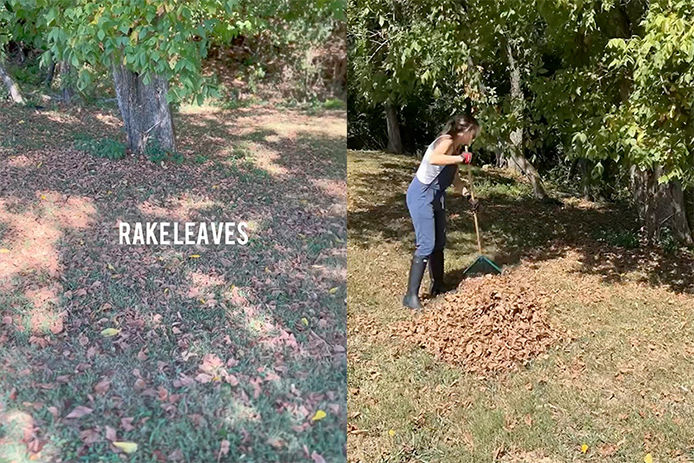
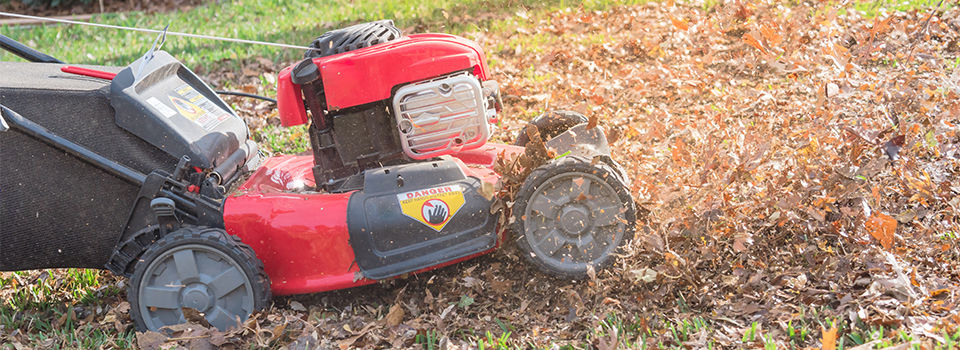
As a homeowner, there is always the question about what to do with leaves as they fall on the lawn, should you rake and bag them, or should you mulch? Mulching entails occasionally running your lawn mower over leaves to “mulch” the leaves into the lawn. Breaking down the leaves into tiny pieces ecourages the organic matter to break down. This acts as a natural fertilizer, returning nutrients back into the ground. Plus, who can would argue with the time and effort saved raking and bagging.
It is still recommended to rake the yard at least once or twice during the fall to remove leaves and debris, especially if your yard has a lot of trees, with many leaves. A large buildup of leaves, can negatively impact future grass growth, and encourage mold and other fungus to grow. For the last couple of times you mow in the fall, set the blade a notch lower. Why is it important to have short grass throughout the winter? If the grass is longer in the winter, the blades bend and trap cold moisture that promotes fungal growth. Also, mowing lower helps mulch stray leaves.
3. Fall Lawn Overseeding
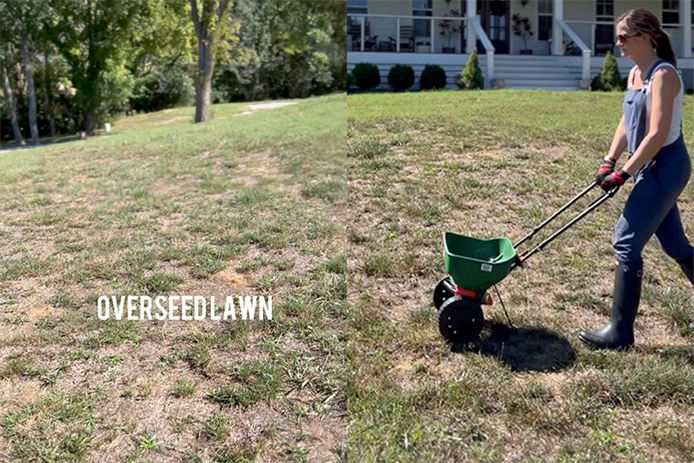
If you did not have to apply herbicide recently, overseeding in the fall is beneficial. Some people prefer to do it in the spring. However, planting grass seed in the fall after aerating the lawn can be ideal. Overseeding, whether you do it in the fall or spring, keeps the lawn looking new. If the grass is mowed frequently, it is unable to reproduce and replenish the lawn with new growth. This means your lawn cannot stand up to competitive weeds as well. Lawns that are not overseeded tend to have a lot of weeds, bare spots, and other problems.
How To Plant Grass Seed in an Existing Lawn
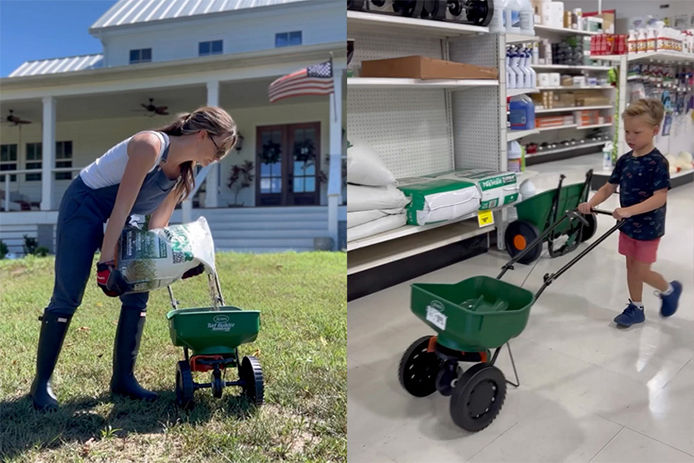
Start overseeding in the early fall, several weeks before the first frost. The process is simple. First, clear away clutter or debris, then aerate the lawn. Using a fertilizer or seed spreader, distribute the grass seed. Be sure to follow the manufacturer’s instructions for coverage rate. When the seeds fall into the holes from aerating, they germinate more effectively. You can also rake over the lawn again to help push more seeds into aeration holes. Water the grass two or three times a day until you see new growth.
What Is the Best Grass Seed for Overseeding?
The answer depends on the type of grass you have. Use one that grows well in your area. For instance, if you live in the North, the best grass seed to overseed is a cool-season grass. If you want a uniform-looking lawn, choose the same species as your current lawn. There are also mixes for transitional zones and warm-season seeds for overseeding in warmer areas. Read project: Definitive Grass Seed Buying Guide for Home Gardeners
When To Stop Watering Your Lawn
When should I stop watering my lawn for the year? Should I water my grass in the winter? If you are wondering when to stop watering the lawn in the fall, it varies in each region. It also varies based on current rainfall trends.
So, how do you know when to stop watering grass for the year? If you live in a region where it freezes, you do not need to water after the first frost. Until that point, follow rainfall trends to guide your watering. As a rule, if there is more than an inch of rainfall per week, do not water. This applies to both warm, frost-free regions in the winter and pre-frost fall periods in other regions. If you have underground sprinklers, adjust your watering times to offset rainfall. This helps prevent fungal growth and disease. Also, in areas with less winter rainfall, water early in the morning to prevent fungal growth.
OTHER ACTIVITIES:
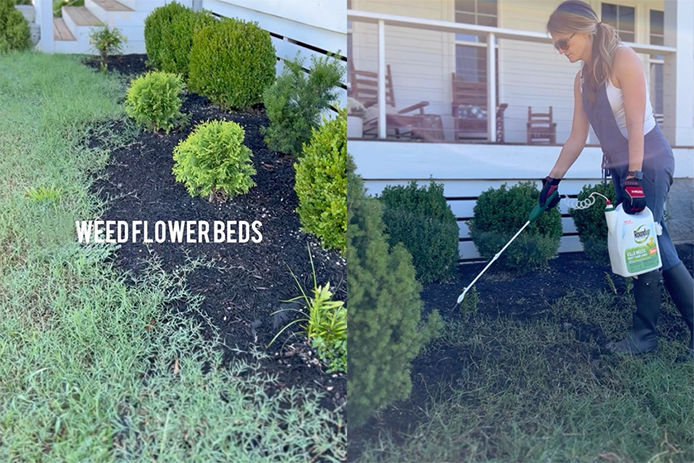
Weed Flowerbeds
Weed and apply weed killer to get a headstart for spring.
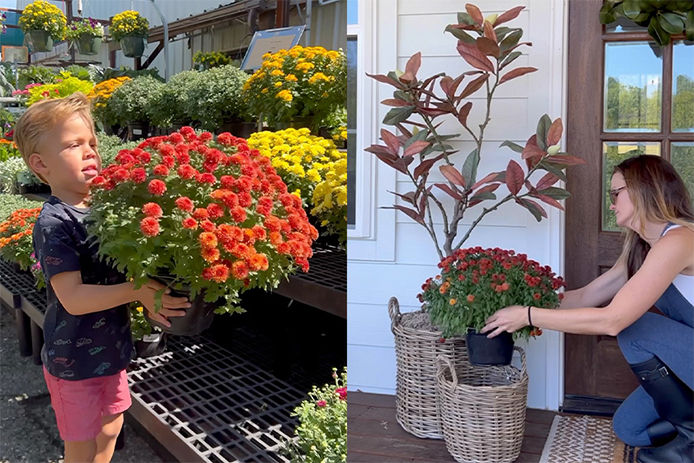
Spruce Up Your Front Porch
Don’t forget your entrance planters add a touch of fall with plants like asters and hardy mums.
You are now ready to start preparing your lawn for the cooler months. Head to your nearest True Value store to stock up on fall lawn care essentials.
Related Articles
Top Mosquito Repellents and Mosquito Control Methods Guide
Mosquito Prevention is key to enjoy your summer without those unbearable bugs bothering you. Find out what are the best mosquito repellents at True Value
Learn more
Garden Cart vs. Wheelbarrow: Which One to Buy for Your Garden
Transport heavy materials or equipment with ease using a wheelbarrow or cart. Discover the differences between them to pick the best one for you.
Learn more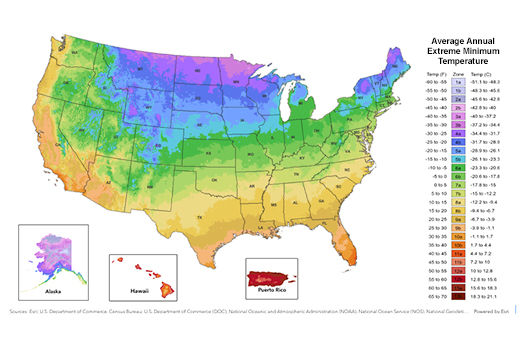
How to Know Your USDA Plant Hardiness Zone
Knowing what gardening or plant hardiness zone you live in can help you choose what to plant in your garden. Check our planting zones map!
Learn more
How to Winterize a Lawn Mower: 6 Steps
If you want to know how to winterize your lawn mower, check out our new six steps guide! Learn all about lawn mower winterization, lawn mower storage and more.
Learn more
5 Tips to Winterize Your Home’s Exterior
Before the first frost hits follow these 5 tips to get your home exterior ready for the winter cold.
Learn more