
What Can You Do With Fallen Leaves?
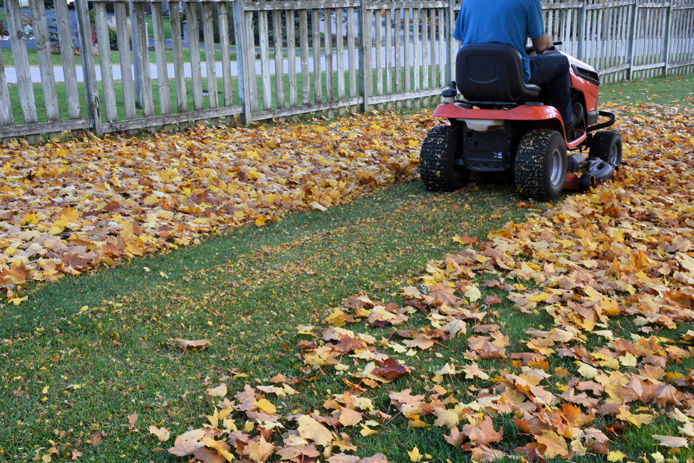
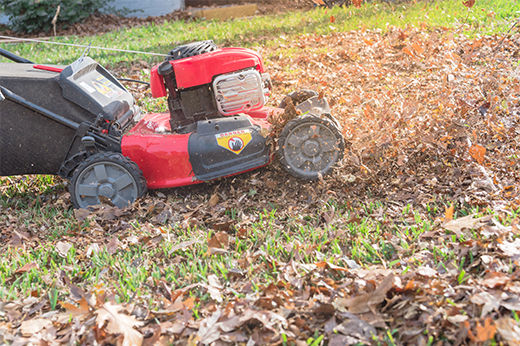
Where do fallen leaves go? If you bag them, they may go to a landfill. In some areas, there are green waste disposal bins for them. They are then taken to a green waste area. If you leave them on the ground instead, they eventually break down. However, it is not advisable to let fallen leaves remain on the lawn all winter. They can trap moisture and encourage harmful fungus growth. Also, they can inhibit spring growth. Because raking and bagging leaves is such a common tradition, many people simply continue it without much thought. If you are looking for ways to reduce waste, these are some leaf disposal alternatives for you.
Option 1: Create a DIY Compost Bin
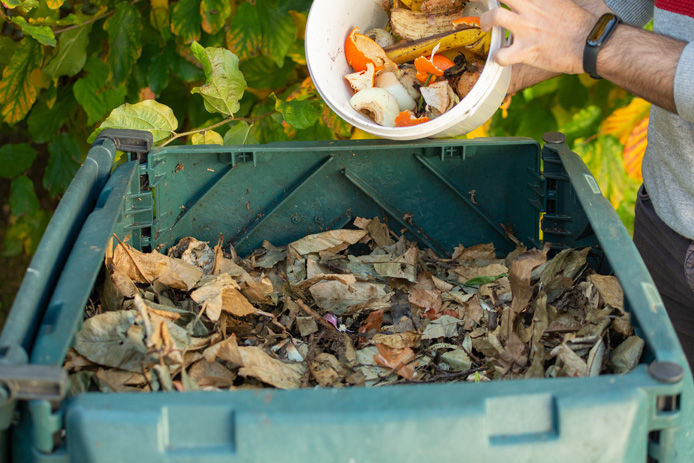
Composting is recycling organic matter to fertilize or enrich soil. You can use food scraps, leaves and other natural products. For example, some people also use spent coffee grounds. Skins from potatoes, fruits and other foods are also used. One key is to create a nitrogen-rich compost pile. How long does it take for leaves to decompose? They may decompose on their own within six to 12 months. This is because they lack ample nitrogen to speed up composting. A compost bin is a container that you use to keep your compost.
How to Create a Compost Bin
There are more than 15 ways to create a DIY compost bin. You may already have an ideal container in your garage or shed. You can follow easy DIY guides that show specific plans and steps to create simple compost bins. These are a few examples:
- Build a compost bin from old pallet wood.
- Turn an old trash can into a compost bin.
- Repurpose an old bucket to use as a small bin.
- Use wire fencing to create a larger compost bin.
- Repurpose an old tote to use as a small compost bin.
If you prefer something more professional, you can find high-quality garden composters. You may be wondering how to create compost and how to compost leaves. Make sure to maintain a good mix of organic materials. Remember that nitrogen is key for breaking down organic material. Some nitrogen-rich materials to use include grass clippings, fruit scraps, vegetable scraps, and plant clippings. After you rake leaves, put them in the compost bin. Top them with nitrogen-rich matter, and turn the compost once every couple of weeks. Turning is important to incorporate oxygen and speed up composting.