Helpful Tips
Lawn aerating is generally easier to do when the soil is moist, but it won’t work as well if the ground is wet.
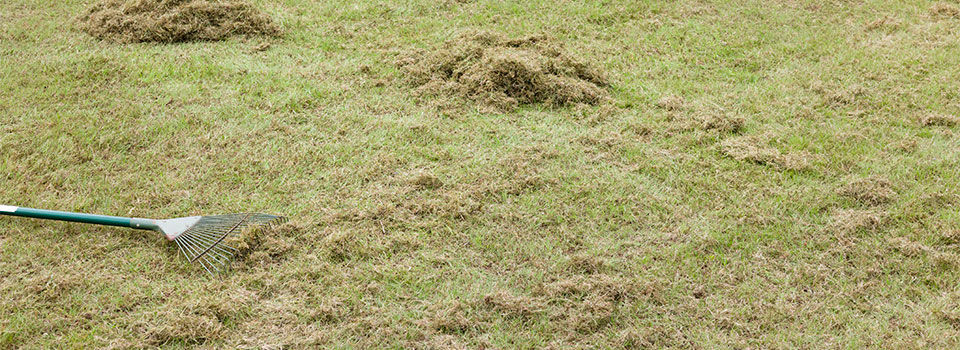
If you’re wondering when to aerate, it’s best to do it in the fall after dethatching or after a thorough raking.
Step 4: Create Larger Holes
If you have severely compacted soil, you need to open up deeper and larger holes. A spading or digging fork will do the trick if you have sandy soil or a small yard. Use the same systematic approach as you would for pricking, but drive the fork into the ground about 3″ to 4″ and wiggle it back and forth to open the holes.
You can also use a hollow-tine fork, another lawn aerating hand tool available for purchase or rent. A hollow-tine fork is stepped on to drive it into the soil, and when removed it pops out multiple cores or plugs of sod and soil. For medium to large areas, you may want to rent a gas-powered plugging aerator.
Helpful Tip
You can prick or spike the soil annually, but don’t cut plugs more than once every three years. You can leave the plugs on the lawn because they break down quickly. Or rake them up and add them to your compost pile.
Good job! Now that it’s been properly dethatched and aerated, your lawn should thrive in the spring.
Project Shopping List
Here’s what you’ll need to complete this project successfully.