
How I Canned My Own Peach Jam
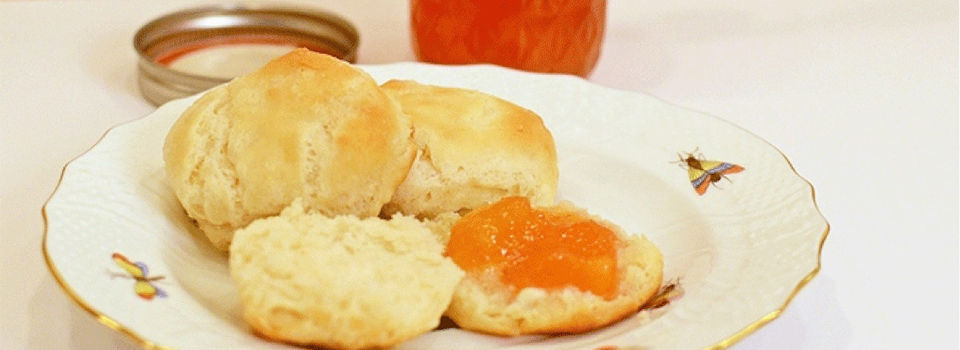
It’s summertime! One of my favorite things about this time of year is the abundance of fresh fruits in our local grocery stores and farmers’ markets. Here in Georgia, the “peach state” sweet, plump peaches are readily available this time of year. It’s been a while since I’ve done any canning but the thought of enjoying sweet homemade preserves all throughout the year was so enticing, I decided it was time to make like the ant, ala The Ant and the Grasshopper, and stock up for winter. It would be so much fun to surprise family and friends with a jar of homemade peach preserves this Christmas!
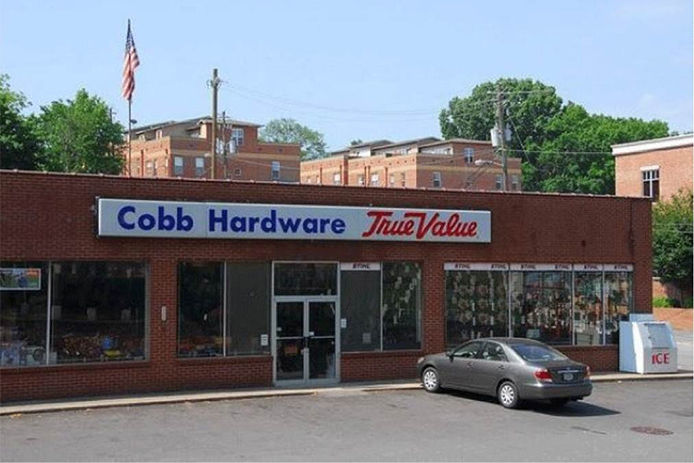
I headed out to my local True Value store to pick up some of the canning supplies I knew I’d need. Located in an historic area of Marietta, Georgia, the Cobb Hardware True Value has that home town vibe. I just knew they would have the canning supplies I’d need and they didn’t disappoint.
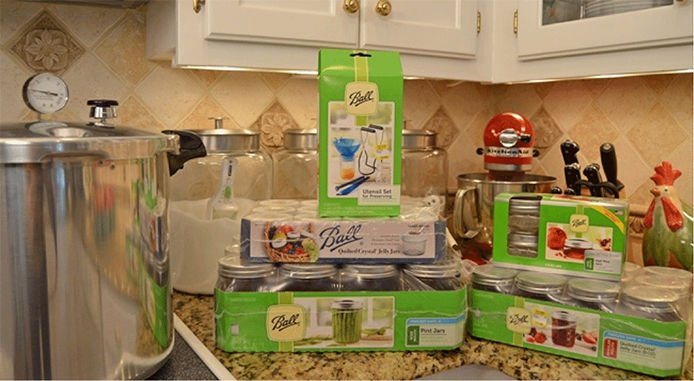
In addition to regular size canning jars, I found some in a really cute size just perfect size for tucking inside a Christmas or Hostess gift basket, along with a batch of homemade muffins.
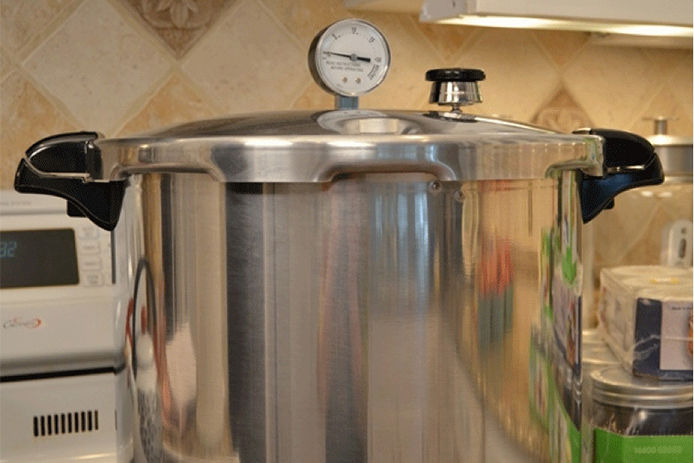
In the past I’ve struggled a little with hot water bath canning, the type of processing best suited for canning fruit preserves. I’ve always used a Dutch oven which made the process a bit of a challenge since it wasn’t deep enough or large enough to really do the job. With visions of rows upon rows of canned peaches dancing in my head, I went in search of a REAL canner.
True Value carries several types and one of their most popular canners is the 23-Quart Pressure Canner. A pressure-type canner isn’t necessary for canning high acid foods like jams, jellies, preserves, pickles and tomatoes but you definitely need one when canning low acid foods like beans, peas, corn and carrots. I decided to go with a pressure canner so I would be prepared for any type of canning I would want to do in the future.
Isn’t it a beaut? I feel so high-tech and professional with this baby! I’m a canning machine now!
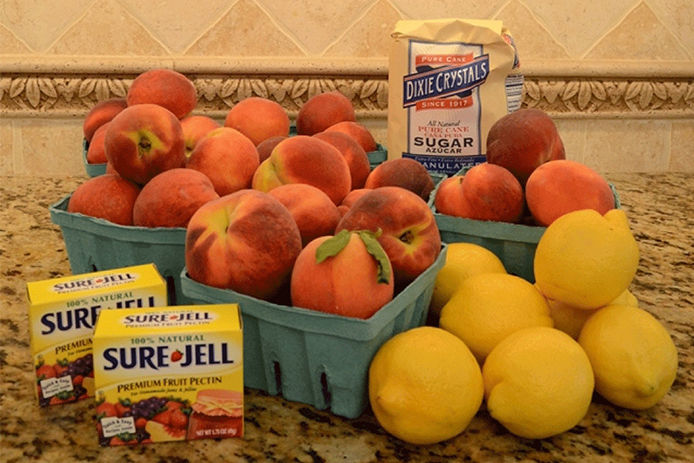
I picked up all the ingredients I’d need to make peach preserves: Fresh, ripe peaches, sugar, fruit pectin and lemons. Pectin isn’t absolutely necessary but it really helps your jams, jellies and preserves reach a nice, thick consistency that’s perfect for spreading on toast or biscuits.
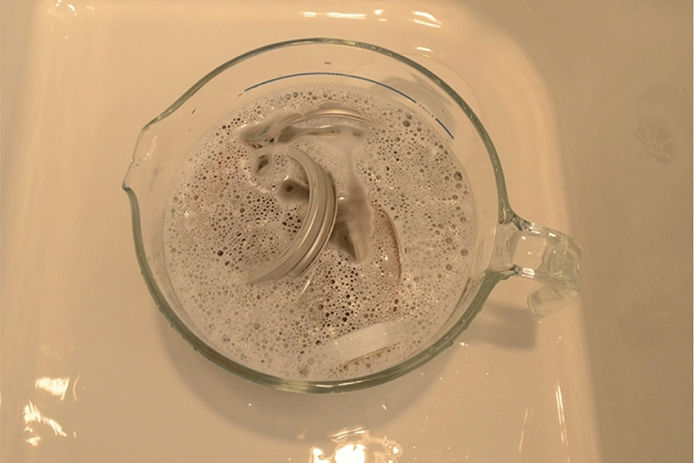
Once home, it was time to get busy washing all the jars, lids and bands in soapy water.
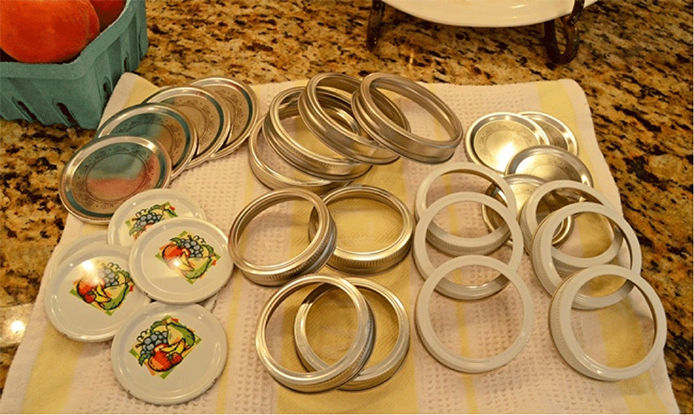
It isn’t necessary to “sterilize” the jars, lids or bands in boiling water. The hot water bath processing they go through in the canner will take care of any bacteria that try to sneak their way into the preserving process.
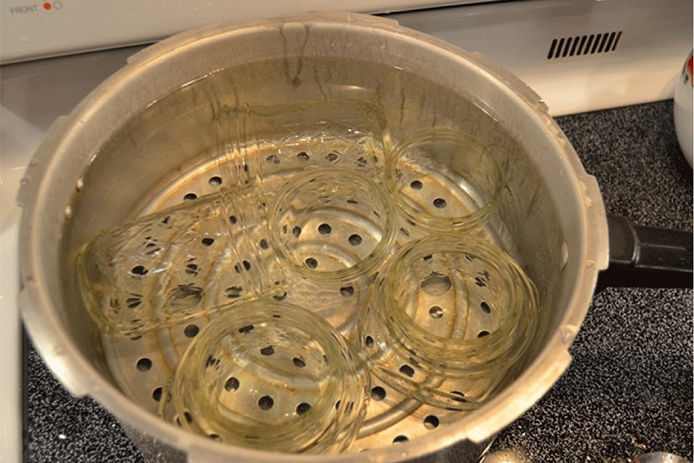
After everything was washed and ready to go, I placed the jars (and later the lids) into a large pot of water, heating the water up just enough to keep them good and hot. Heating the jars will prevent breakage when the hot preserves are poured into the jar later on.
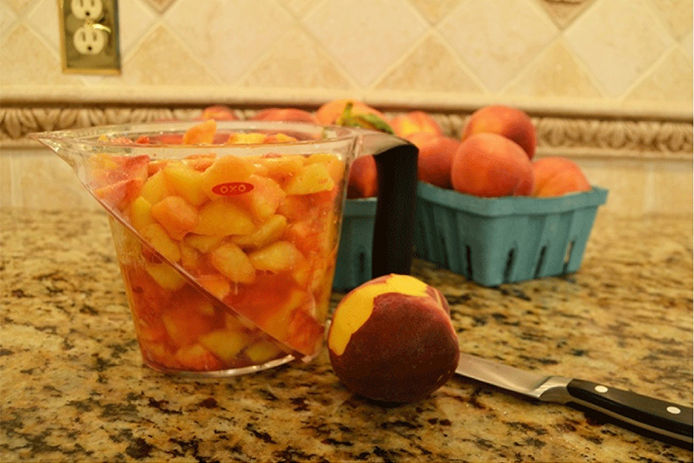
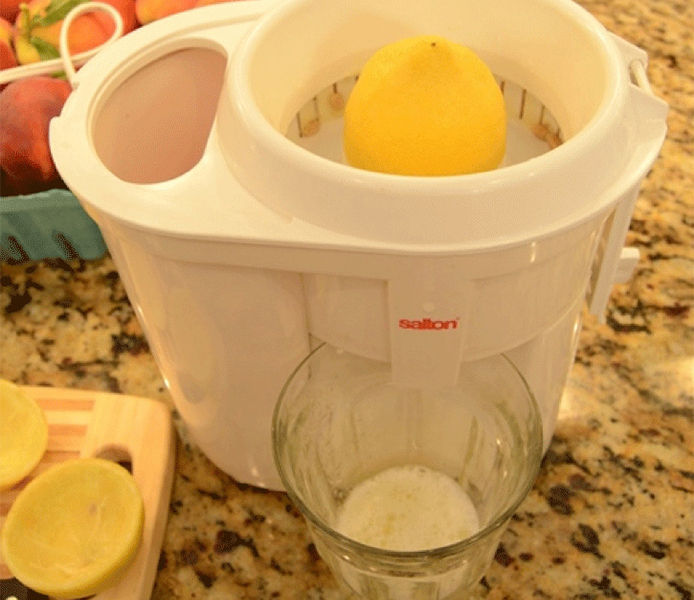
With the peaches peeled and ready to go, it was time to squeeze some lemons.
It only took two lemons to create a 1/4 cup lemon juice.
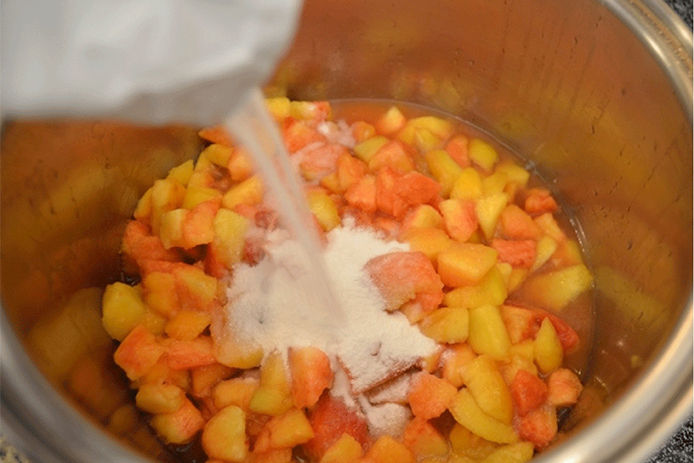
After the jars were nice and hot, it was time to get cooking. In a large pot I combined the chopped peaches, lemon juice and one package of fruit pectin.
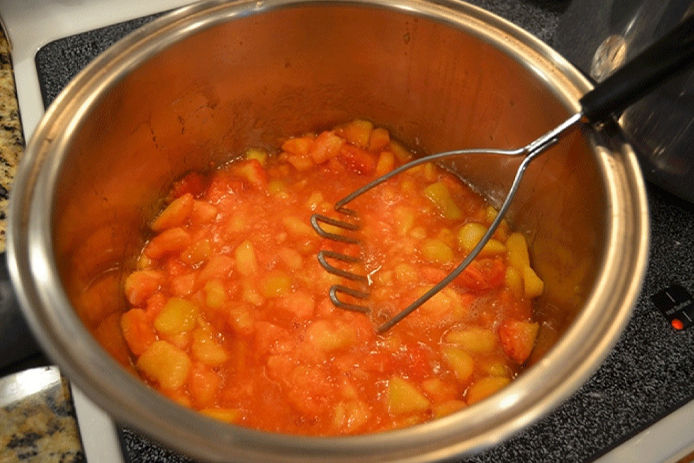
Using a potato masher, I mashed up some of the peaches, making sure to leave lots of nice chunky pieces of fruit.
Stirring frequently, I brought the peach mixture to a boil. Once boiling, I added all 5 cups of sugar at one time.
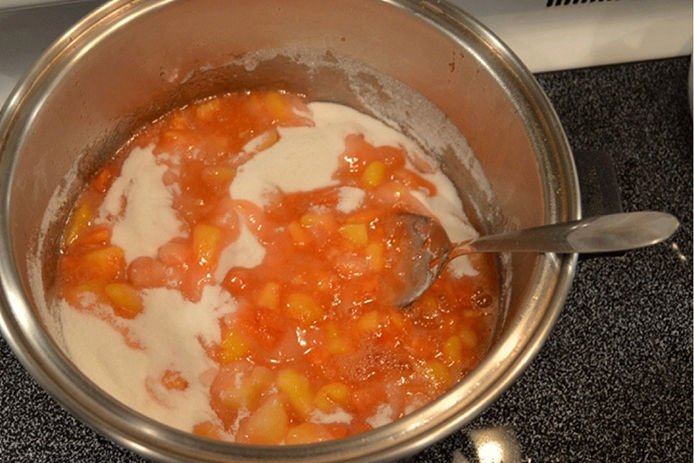
I allowed the peaches to simmer on a low boil for about 10 minutes, then removed them from the burner. Once the simmering had fully stopped (don’t risk getting burned) I carefully skimmed off the foam that naturally forms on top.
Tip: During the cooking time, adding a 1/2 pat of butter will greatly reduce the amount of foam that forms.
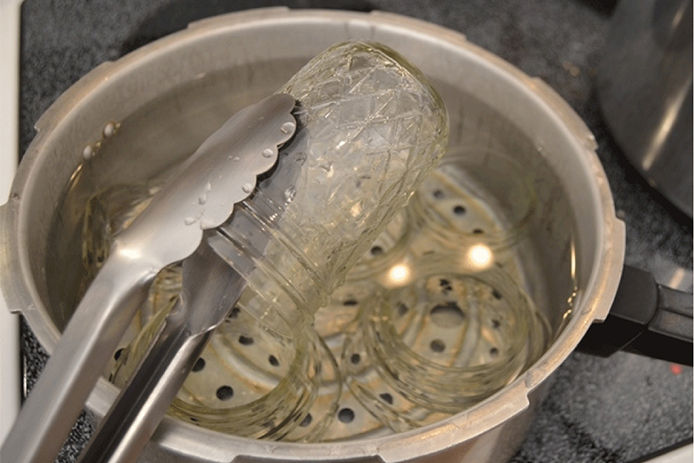
Tongs are super helpful for removing a jar from the hot water.
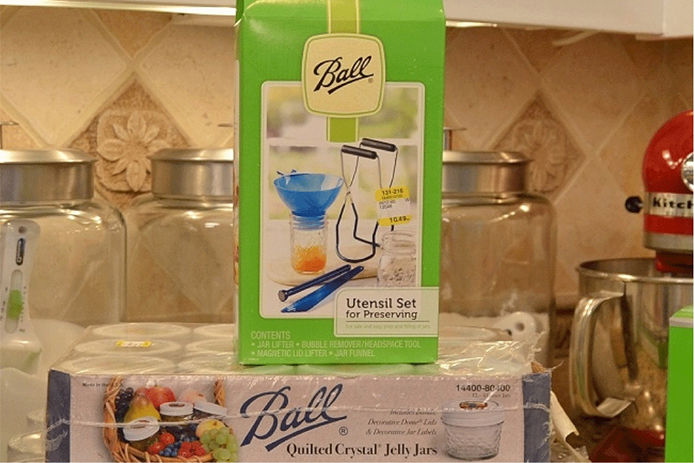
While at True Value I also picked up one of these canning utensil sets. The set included 4 items: a jar lifter, bubble remover, magnetic lid lifter and a wide mouth funnel. You could get by without these but they definitely make the canning process a bit easier.
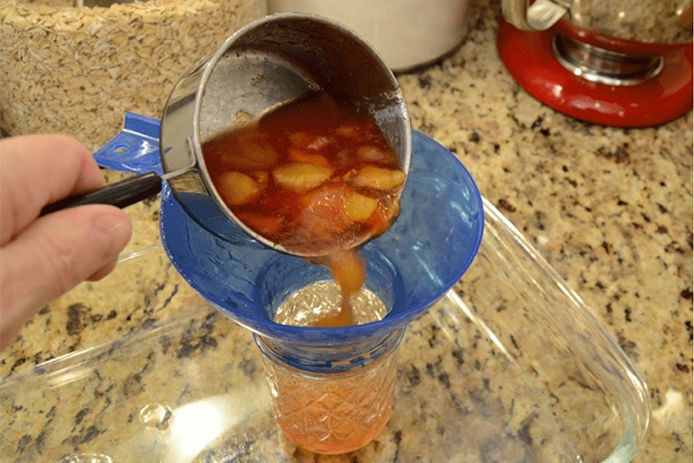
To fill the jars, I placed them inside a glass dish to help with clean-up and spill; I tend to be messy! The funnel included in the utensil set was perfect for filling the jars since it is nice and wide.
Next, I carefully ladled in some of the hot preserves. The funnel is designed where adding preserves up to around the lower edge of the funnel leaves just about the right amount of open space at the top of jar. There should be about a 1/2 inch of space above the fruit mixture.
Take a second to wipe around the top of the jar so there won’t be any sticky stuff in the way when you screw on the band.
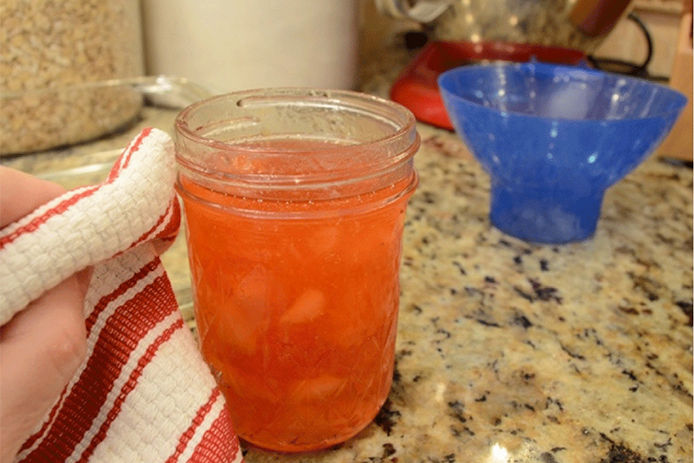
The bubble remover included in the utensil kit was helpful for removing air bubbles that get trapped when filling the jars. The blade of knife will work, as well.
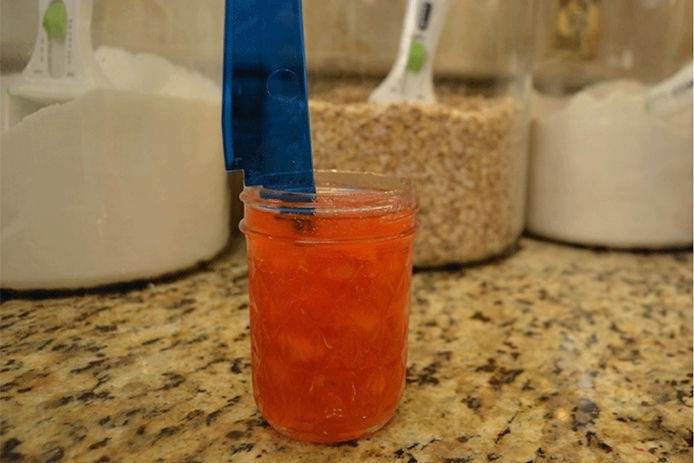
The magnetic lid lifter is great for removing the lids from the hot water bath.
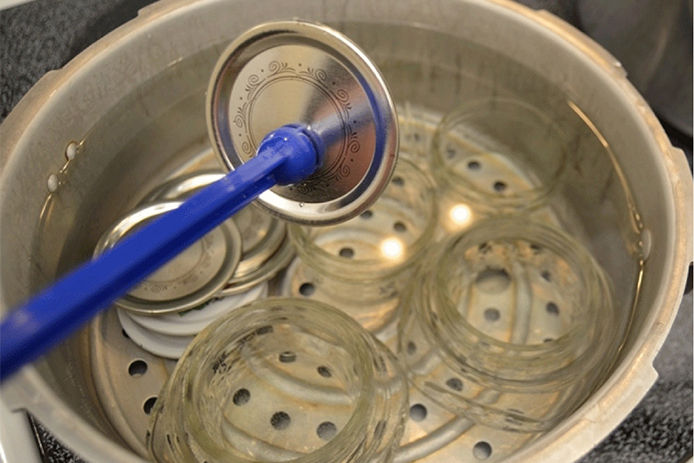
It also comes in handy for centering the lid on top of the jar of hot preserves.
When canning, it’s best to screw the band on until it’s just finger tight. Resist the urge to over-tighten because the lid will seal down as needed during the hot water bath process.
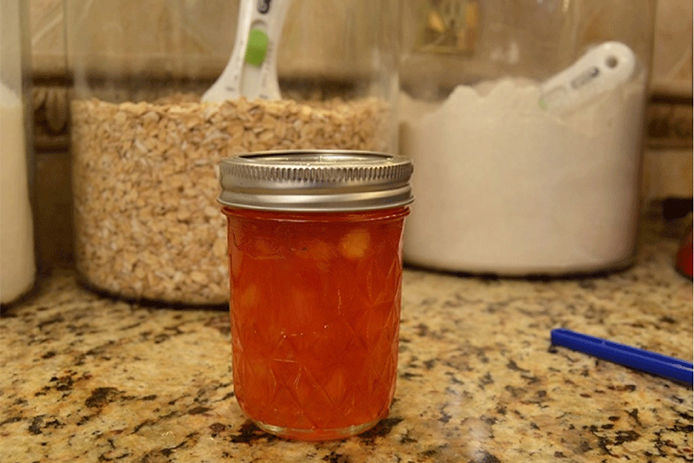
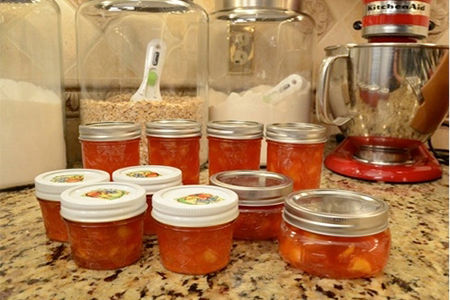
Here they are, all filled and ready for the final step. For this first batch, I decided to use several different jar styles. I went with regular, half-pint jars to keep for my pantry, that’s the four across the back. The four, 4-oz jars on the left and the cute, squatty, half-pint jars on the right will be set aside for tucking inside gift baskets at Christmas. They would also be great as a host/hostess gifts or part of a housewarming gift basket.
The only thing left to do now was give these babies a bath, a hot water bath that is. The canner came with a metal rack and it is needed for the canning process since jars should never be in direct contact with the bottom of a canner where they could overheat and break.
With the rack in place on the bottom of the canner, I placed all the preserves into the canner and added water to completely cover the tops of all the jars. The water should be about an inch over the tops of the jars to ensure they stay covered during processing.
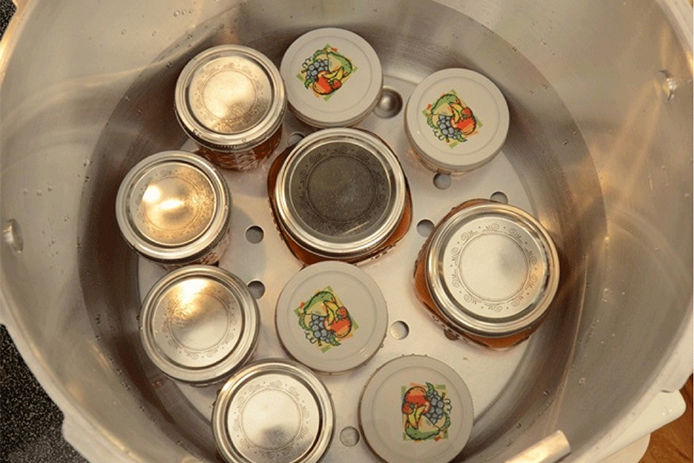
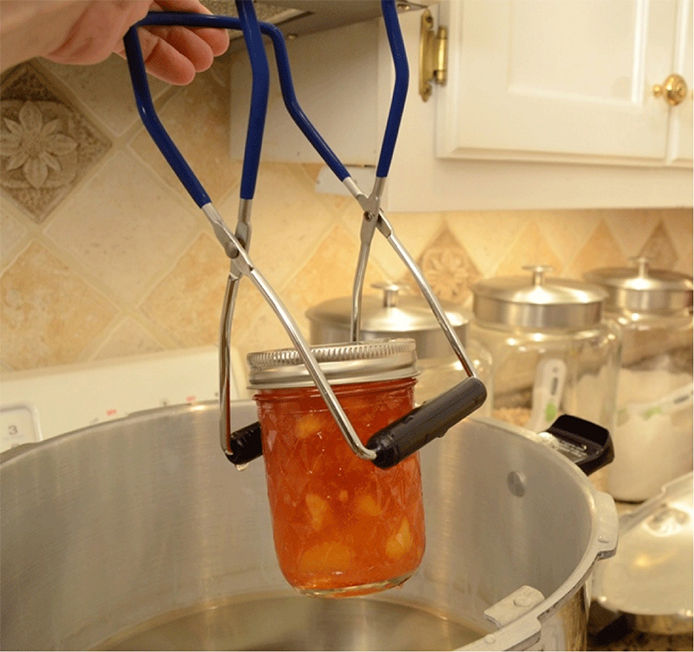
I brought the water to a boil, placed the lid on the canner and let the water boil for about 10 minutes. Once the processing time was complete, I removed the canner from burner and let the preserves rest in the canner for another 5 minutes. The jar lifter included in the utensil set was great for removing each jar from the hot water bath. When removing preserves from a canner, grasp the jar below the rim so the lid will not be disturbed and the seal broken.
It’s best to leave your canned fruit undisturbed until the jars are completely cooled. As they start to cool, you’ll hear a happy “POP!” as the lids seal down nice and tight. The next day, test the seal on each jar by gently pressing down on the center of the lid. If the jar is properly sealed, the lid will not flex but will fill rigid, instead. If a jar didn’t seal properly, just place it in the fridge and enjoy.
Tip: For gift giving, you can dress your preserves up by cutting a small piece of fabric with pinking shears to place atop the lid, between the lid and the band. Add a pretty ribbon around the rim and you’re all set!
Once the jars had cooled, I added labels indicating the contents (Peach Preserves) and the month/year they were canned. It’s always good to include that info so you’ll remember six months from not that it’s Peach (not Apricot) Preserves and how long ago they were processed. Canned fruit has a shelf life of 12-18 months.
Besides following Mr. Ant’s lead, the final results are just so surprisingly pretty! Won’t these will be beautiful displayed on a pantry shelf or tucked into a Christmas basket of goodies?
I had forgotten just how good it feels to stock away yummies for future enjoyment.
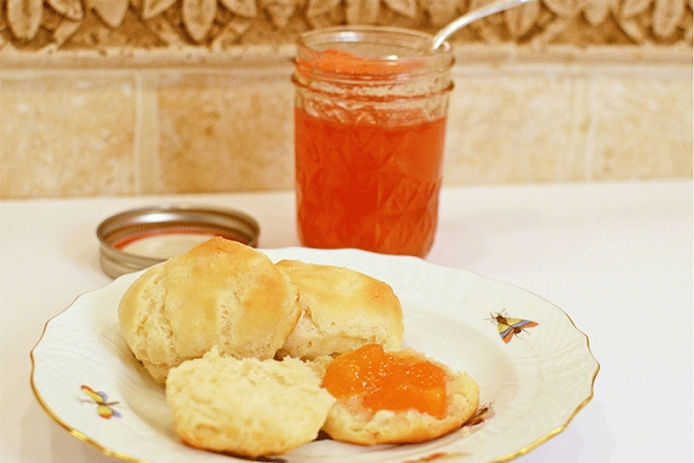
Spoil your family with homemade peach preserves in January.
They’re going to love it and so will you!
Happy Canning!
I think I hear some blueberry jam calling my name. Time to grab the family and go blueberry picking!
I was one of the bloggers selected by True Value to work on the DIY Squad. I have been compensated for my time commitment to the program as well as writing about my experience. I have also been compensated for the materials needed for my DIY project. However, my opinions are entirely my own and I have not been paid to publish positive comments.
For more canning tips and tricks check out True Value’s project guide, Canning 101: How to Properly Can Everything. And for more mason jar project ideas, take a look at True Value’s Mad About Mason Jars Pinterest Board.
Related Articles
The Ultimate Guide on Fall Lawn Care in 3 Steps
If you want to know the fall lawn care schedule for your state, when to stop watering your grass, and more, check our complete guide!
Learn more
Top Mosquito Repellents and Mosquito Control Methods Guide
Mosquito Prevention is key to enjoy your summer without those unbearable bugs bothering you. Find out what are the best mosquito repellents at True Value
Learn more
Garden Cart vs. Wheelbarrow: Which One to Buy for Your Garden
Transport heavy materials or equipment with ease using a wheelbarrow or cart. Discover the differences between them to pick the best one for you.
Learn more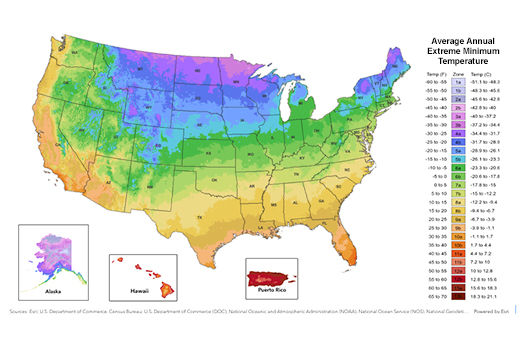
How to Know Your USDA Plant Hardiness Zone
Knowing what gardening or plant hardiness zone you live in can help you choose what to plant in your garden. Check our planting zones map!
Learn more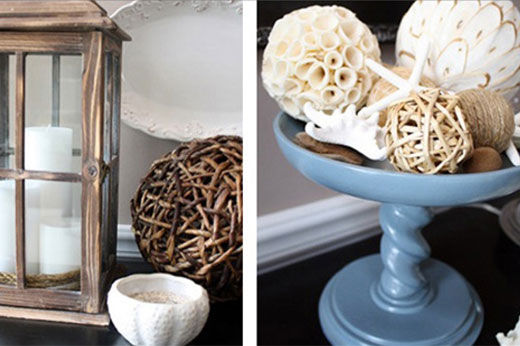
From Mossy to Beachy: Bringing Summer to My Foyer Decor
Well, it’s the end of July and I’ve just finished up my summer vignette in the foyer – welcome to my world. I’ve had most of it done for umm…weeks. Since May? There was one small detail I’ve been putting off all that time that I FINALLY just finished up.
Learn more