Safety Clothing for DIY Projects
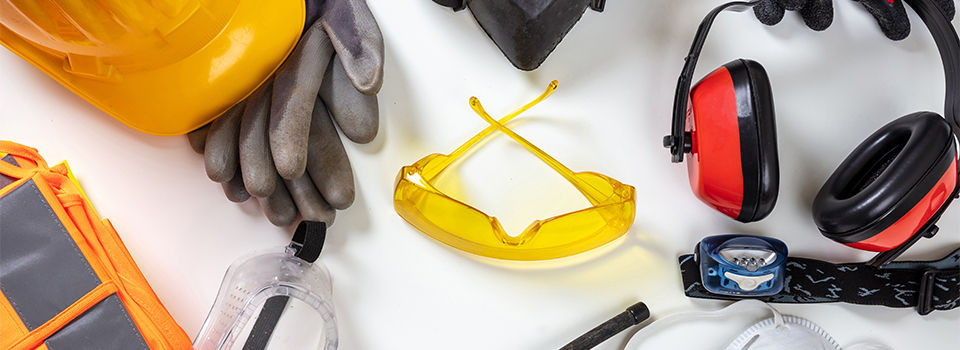
Some types of special clothing may be considered personal protective equipment (PPE). PPE clothing includes garments that are typically worn in the workplace to minimize health and safety risks. PPE may also include wearable safety gear like helmets or goggles. This section will cover the main types of safety wear to consider for your projects.
Eye Protection
There are plenty of safety glasses on the market. However, not all of them adequately protect your eyes. You’ll notice that some leave gaps on the sides, above or below. They should be impact-resistant glasses that at least have side protection. Goggles fit snugly on your face and offer better protection from flying debris. For better glasses, look for ones that are approved by the American National Standards Institute. Think about other factors specific to your needs as well. For example, if you plan to use them a lot and work outdoors, you may want polarized lenses. A face shield is another option to protect your eyes and face. It may cost a little more than a good pair of safety glasses. One benefit of a shield is that you don’t have any vision obstruction from frames or side covers. Also, it protects your entire face. If you’re doing something that requires maximum visibility, a shield may be a good choice. For example, it’s useful if you’re feeding materials into a saw or machine. If you’ll be around falling or flying objects, consider wearing a hard hat as well.
Ear Protection
Power tools and even hammers can be loud. It’s a good idea to wear earplugs for lighter projects. You can find these in many places, and some have convenient cords attached. If you’re using loud power tools for an extended time, you may prefer protective earmuffs. In addition to protecting your hearing, ear protection can help keep out debris.
Respiratory Protection
Respiratory protection is important when you’re using paint thinner or chemicals. It’s also important to protect you from debris and fine dust. People often wear masks along with their safety work clothes. There are basic masks and masks with respirators. A basic N95 dust mask is good for filtering out drywall dust and wood dust. However, you’ll need a P100 respirator for spraying or removing paint. N indicates non-oil-proof masks. P indicates that a mask is oil-proof for up to eight hours. R indicates oil-resistant abilities for up to eight hours. The numbers after the N, R, or P indicate the percentage of particles they filter. If a mask has a 100 on it, it qualifies as a HEPA filter. One additional safety tip to remember when removing paint is to consider its age. If you’re unsure, contact your local health department for guidance. If your house was built before 1978, there may be lead paint under the current paint. Lead poses many health hazards, and creating dust by sanding or removing it can create even more. There are more advanced face respirators for professionals that have filters for lead and asbestos. While they’re sold in some stores, don’t use them unless you’re familiar with the right safety processes.
Hand Protection
Safety gloves are important for a wide variety of tasks, and there are different types. Some gloves are designed to protect your hands from abrasion. For example, if you’re using tools, gloves can help you avoid pressure blisters. They can protect you from getting cut if you’re working with rough materials that need sanding. Also, some types can prevent burns if you’re handling chemicals or hot objects. Gloves may help keep your hands warm if you’re working outside when it’s cold. Some gloves also keep you safer by helping you grip items when precision is vital for safety. Another type of safety wear to accompany gloves is protective sleeves. They usually start at the wrist and cover your forearm or even the whole arm. They’re helpful for preventing injuries from chemicals and flying debris.
Body Protection
Torso and leg injuries can happen without the right body protection. Whether you’re sawing, sanding, or using chemicals, it helps to be fully protected. Work aprons are commonly used. Different materials are available for various purposes. For example, there are aprons for painting or light woodworking. However, you’d want one that’s resistant to flames if you’re using welding tools. Coveralls are useful protective clothes as well. You can find cheap disposable coveralls. They’re great for short-term projects like painting, sanding wood, or using chemicals. You may also want knee pads if your project involves repetitive manual knee movement or lots of kneeling.
Foot Protection
When people buy protective clothing supplies, they often forget about footwear. Safety shoes and work boots can provide you with the right protection. Are safety boots or shoes better? It depends on the project and your preferences. For example, if your ankles need to be covered for safety, work boots may be better. Both work boots and safety shoes come in several styles and varieties. The most common choice to make is between steel or composite toes. Your needs will determine the better choice. Composite is lighter and doesn’t conduct heat or cold as much as steel. However, steel is stronger and offers more protection from the force of heavy objects. So, if you’re out cutting down trees, you’d want steel boots. You could mitigate the issue of cold toes by wearing extra socks. What if you’re working in the cold with lighter tools and need to move quickly? Composite may be better in this case. It wouldn’t make your feet as cold, and the lightness of it would allow for easier movement.