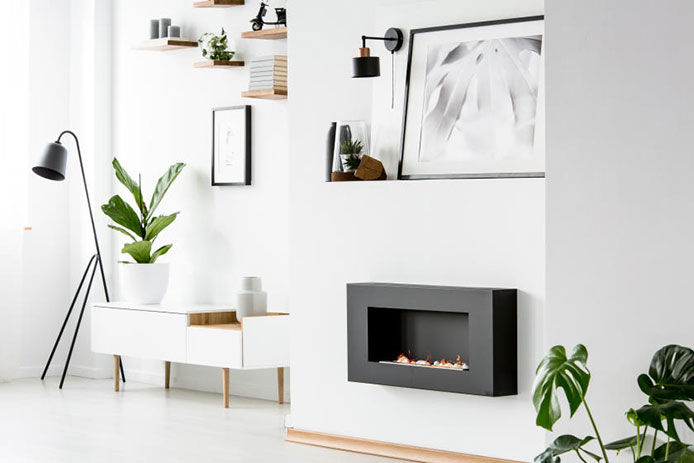
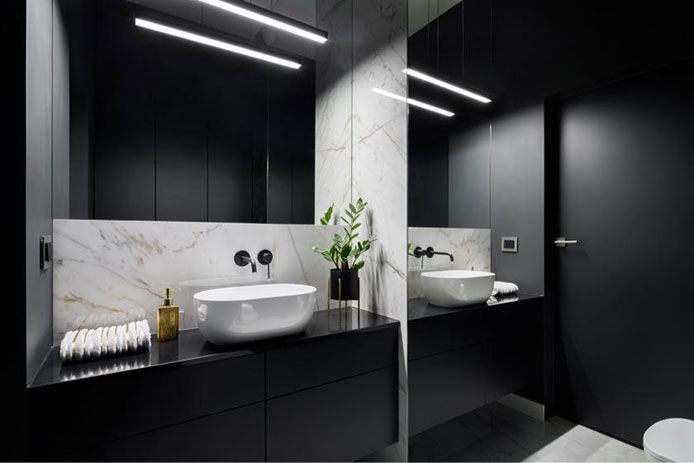
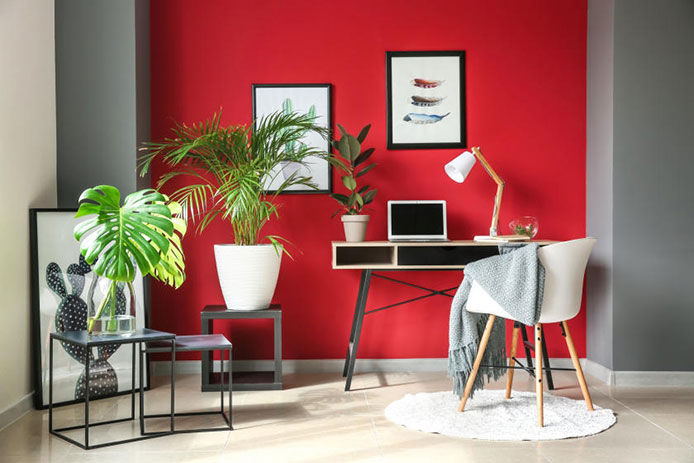
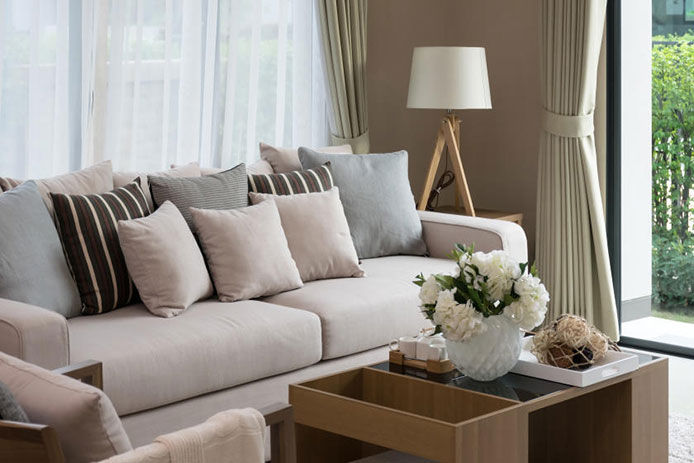
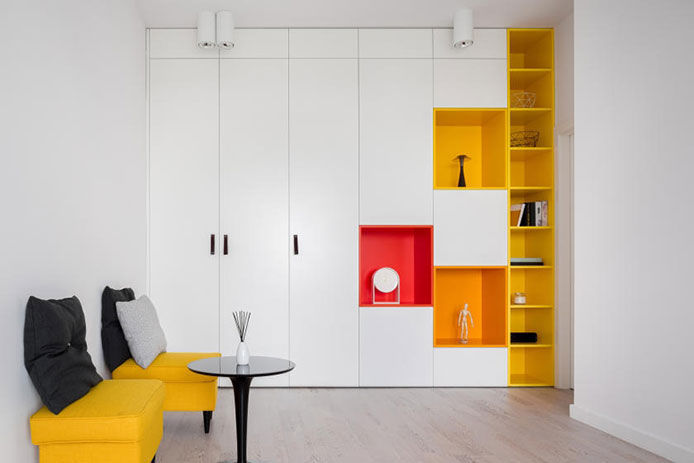
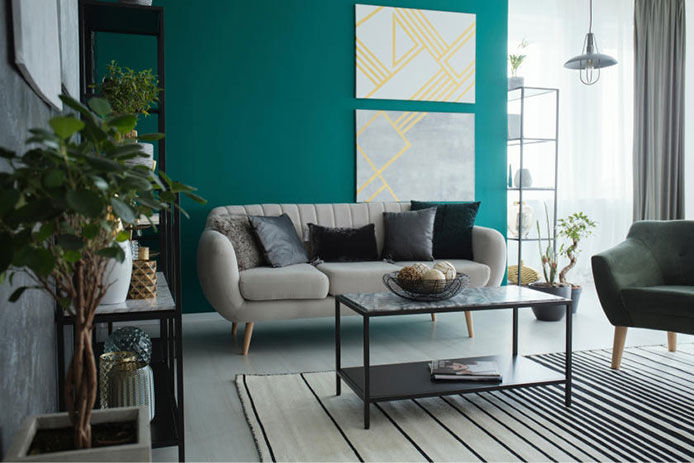
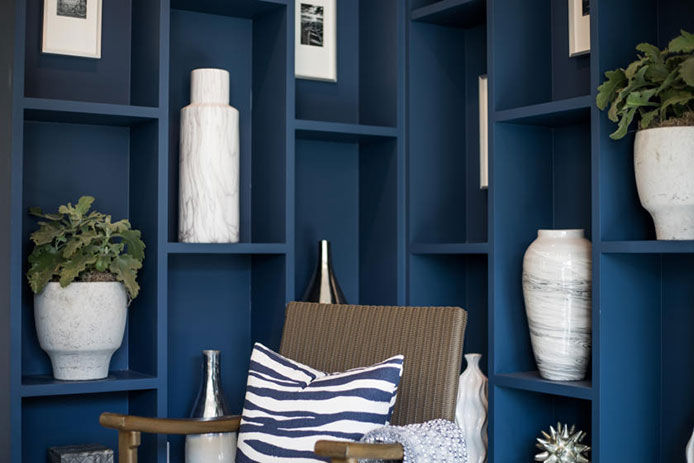
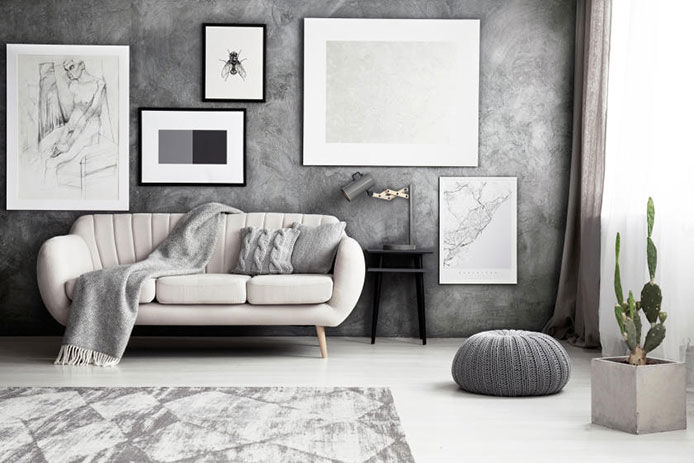
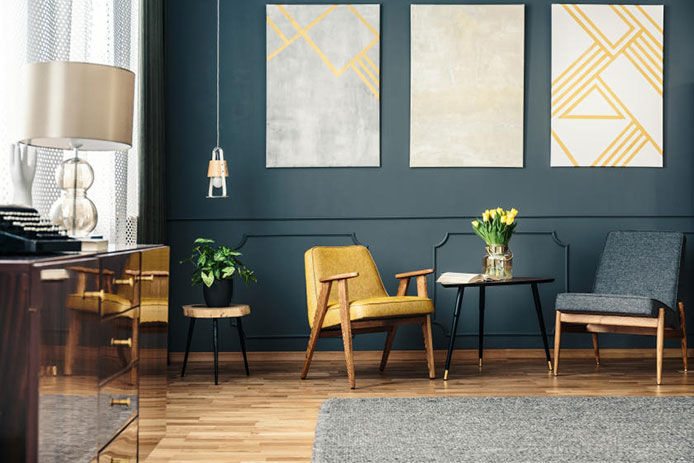
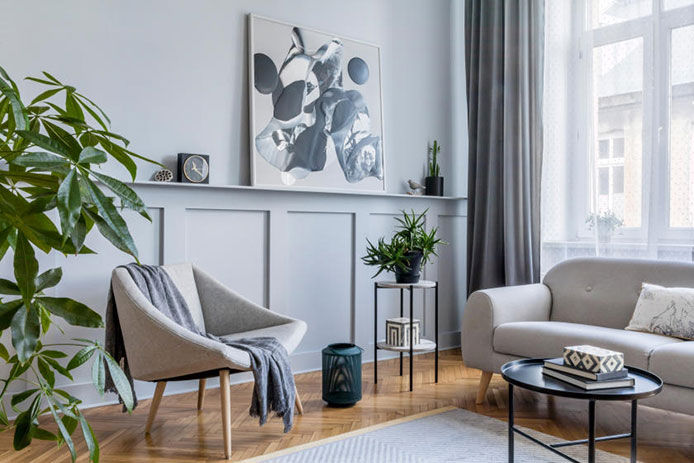
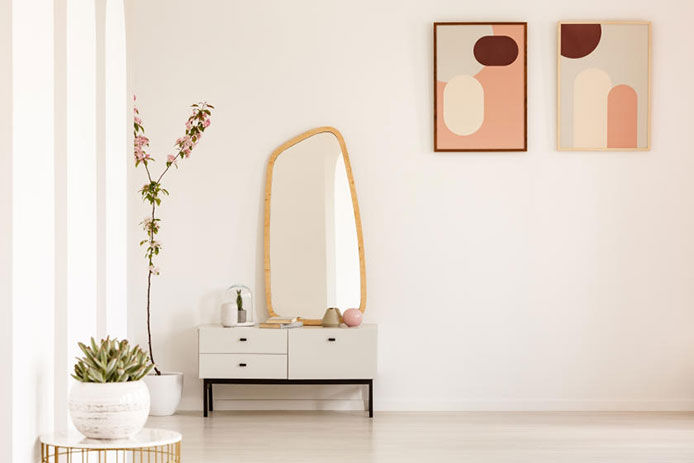
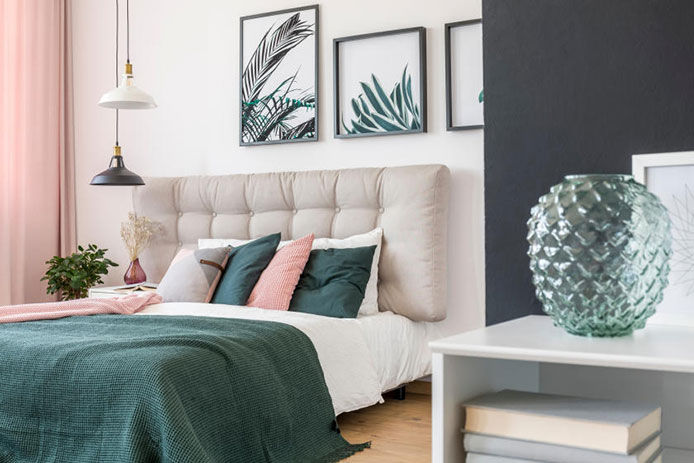
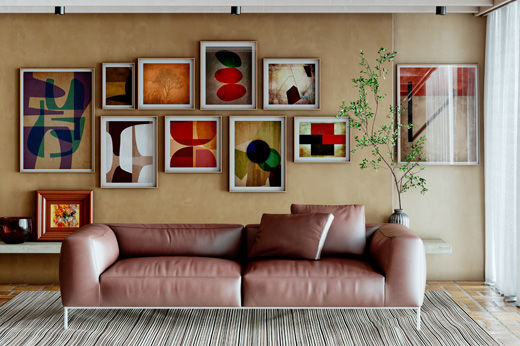
Complementary colors are opposite each other on the color wheel. These types of home color schemes add drama to any room. Complementary colors enhance the temperature of each other, which adds interest and energy to the décor. To get the most out of this scheme, use a warm color against a cool shade or add contrasting accessories to highlight the color of your walls.
Use colors that strongly contrast one another to create a stimulating, lively environment. You can select similar colors in their dark, vivid hues or select complementary colors.
Helpful Tip
How to Paint a Stunning Accent Wall. Painting one wall with another color works well with a complementary color scheme because of the potential for contrasting colors. This creates a focal point in a room.
Dark vs. Light
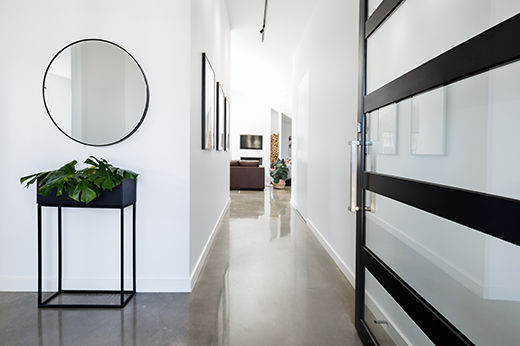
The color of walls and ceilings can dramatically change the atmosphere. Dark colors can make spaces feel small and cozy, while light colors can make rooms feel larger and more open. A room flooded with sunlight will wash out the wall color; a room that lacks natural light can turn colors grey or muddy.
Hue is the name used to identify a color, such as red. Intensity describes how saturated it is. Value refers to how light or dark it is. Most palettes use three values: light, medium and dark – and this can be an easy way to translate your palette to your room. A light color is often used as background on walls and ceiling. Medium tones are popular for carpeting or large pieces of furniture. A dark floor will ground the space, while a light one can visually open up the room.
If your floor plan is open and rooms flow into one another, choose your main color and paint the adjacent room a shade or two lighter or deeper. For example, if the living room connects to the dining room, different shades of the same color will define each room as a separate space but keep them visually connected.
Helpful Tip
Try the 60/30/10 rule, used by designers. With this method, one color (often a light neutral) is used on about 60% of the room’s surfaces, a secondary color (usually a medium tone) is used on 30%, and the third color (often bold or bright) is used as an accent on 10% of the furnishings. Here’s an example: floors, walls and a large sofa are pale grey (60%); a room-sized rug and two chairs are coral (30%); pillows and other accessories are bright blue (10%).
Step 4: Start Painting
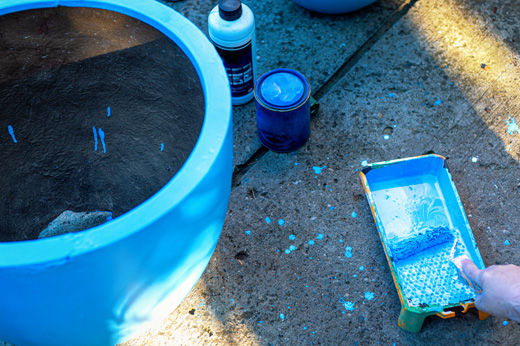
Now that you’ve done your homework, it’s time to pop open the paint and start. Remember you can’t always just jump into painting. There’s a bit of prep work to do first. You need to make sure the surfaces are ready to be painted and often you should consider priming the wall before applying paint. For an in-depth “how-to” about painting a room, check out our Paint a Room project.
Good luck! You’re now on your way toward rejuvenating your rooms with interior paint color combinations that can transform your home and an overall home color scheme that can tie it all together.