
Bring herbs indoors to enjoy all winter
Speaking of potted plants, be sure to empty your pots and store upside down to eliminate them from freezing and cracking.
Clean and put away tools, hoses and garden stakes.
Step Two: Rearrange and Plan Ahead
Now is the perfect time to look back on the past season and decide what worked well and what didn’t. Are there any new plants you’d like to try? Maybe you realize that you only need two zucchini plants, not six. Do you want to expand your beds? Move a plant or two? By planning now and getting those areas prepped or rearranged you will save yourself a lot of work come spring. Be sure to take notes as you go!
Early fall is great for dividing and moving many plants. You will want to do this 6-8 weeks before your first frost to give the plant time to establish and strengthen their root system. Plants that bloom in spring or early summer are the best candidates. Look for perennials that haven’t been performing as well or have lots of outer growth but bare spots in their centers. This usually indicates they are crowded and could benefit from being divided.
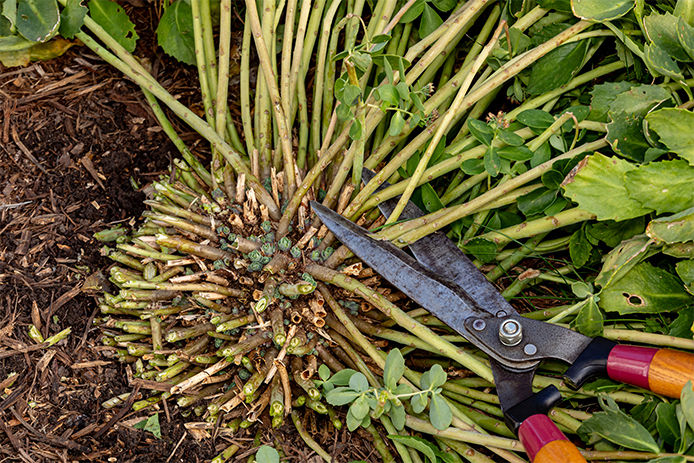
Dig up the entire plant and use a sharp clean knife or blade to cut through the center of the root ball.
Replant the divided plants as you would any new addition to your garden, being sure to place it in an ample hole with fertile soil, compost and water. As the frost gets closer, be sure to add extra mulch to protect the roots and cut back dead foliage once the frost hits.
Gather seeds from mature plants to use next season. I always gather seeds from my annual herbs like cilantro, basil and dill and sow them directly into the soil. I’ve had great success with this method.
For plants like peas or tomatoes I let the seeds dry out and sow them indoors in late winter so the seedlings can go right into the ground once the threat of frost is gone.
Step Three: Replenish and Protect
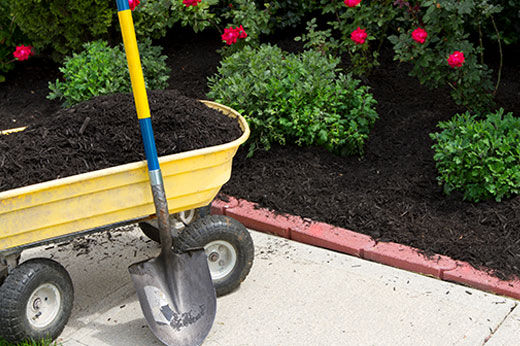
Till exposed soil in your vegetable beds. This will help to kill off any insects or larvae that were burrowing down for a long winter’s nap by exposing them to the elements. After your first freeze you can add a layer of mulch.
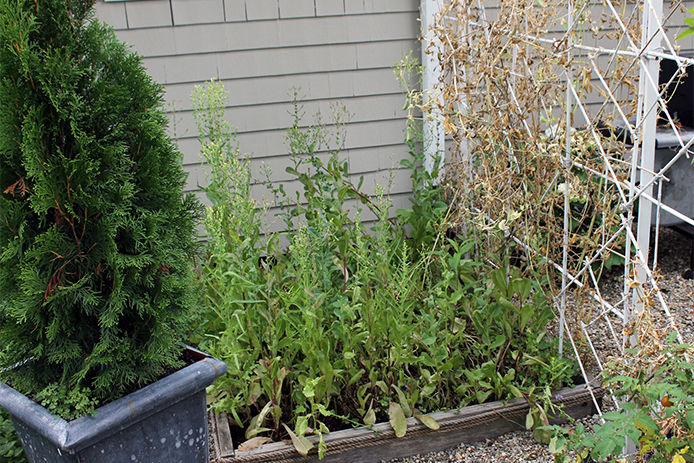
With raised beds you may notice that the soil level seems lower at the end of the season. My lettuce bed had two planting rounds this summer, so I lost quite a bit of soil each time I pulled out the previous crop. Replace levels with a mixture of quality topsoil and compost and turn the soil to mix it in.
If your garden’s performances seemed a bit lackluster, consider having your soil tested to see what nutrients it might be lacking.
If you tend to have a problem with deer eating your shrubs or plantings, consider wrapping them with burlap or chicken wire. This can also help prevent against windburn and ice damage in harsh climates.
For any potted plants or trees that you can’t bring inside you can try to winterize them. While this can greatly increase the survival rate, there really is no guarantee here – especially after last year’s Polar Vortex. Begin by moving them to a sheltered south facing location. Wrap the pots with layers of mulch and burlap or bury them into the ground. Add a thick layer of mulch on top to protect the roots. As a final layer of defense, cover foliage with a plastic garbage bag or burlap to prevent exposure to freezing winds and ice.
Lastly, inspect the structures in your garden. Raised beds, lattice and fencing will all suffer wear and tear over time so this is a great time to repair them before they get covered with new foliage in the spring.
By following these preventative steps you will breeze through spring cleanup and have more time to enjoy your garden.