Paint or Stain a Wood Fence
Step 1: Prepare the Ground
Remove leaves, grass or weeds along the base of the fence by mowing, raking, weeding by hand or spraying a weed killer. Place a drop cloth below or next to the fence to catch debris, dripping paint or overspray.
Step 2: Prepare the Fence
Clean, scrape and sand your fence with medium-grit or fine-grit sandpaper before you paint. You may want to use a pressure washer to clean the fence and blast off loose paint. You can also use a garden hose with a power nozzle, a scrub brush and a solution of detergent and water.
Finish removing loose paint using a paint scraper. Use a power sander to blend any raised paint edges into the surrounding areas. Sponge any mold or mildew spots with a 50/50 solution of bleach and water to keep mold or mildew from growing back.
Check your fence for termite or insect damage. If you find insect activity, replace the damaged wood.
Step 3: Paint or Stain Your Wood Fence
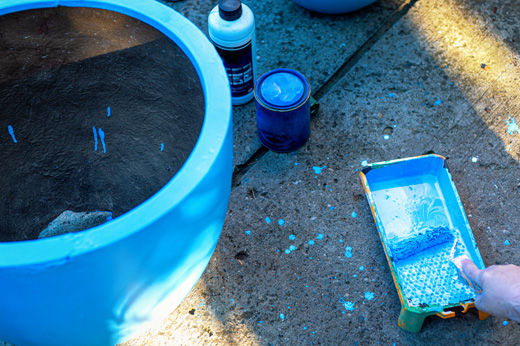
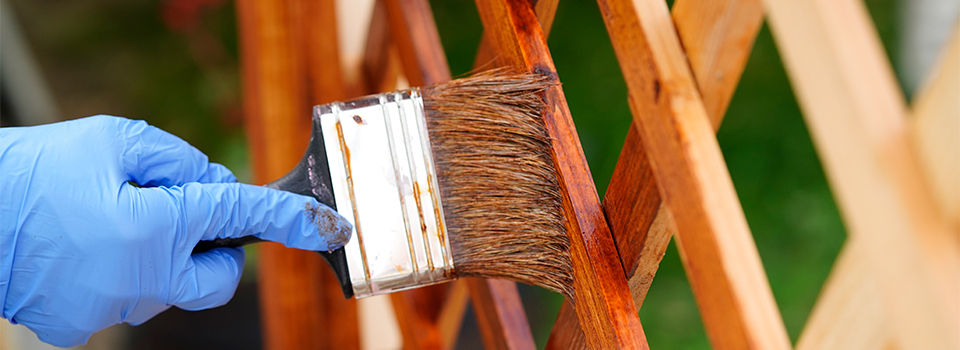
To make sure your finish stands up to the elements, you’ll want to use a high-quality stain or exterior paint with UV inhibitors, such as True Value Woodsman® stain or True Value EasyCare® Ultra Premium Exterior Paint. Use a roller, pad or sprayer to paint large, flat surfaces. If you choose a sprayer, use an airless model or rent a high-volume/low-pressure (HVLP) sprayer for greater control with less overspray. Use a paintbrush to catch drips and work paint into hard-to-reach areas. For watery stains, use a stain brush, which holds more finish with less dripping.
HELPFUL TIP
It’s a good idea to do a yearly cleaning and touch-up of any peeling areas on your fence. If your wood fence is unfinished, consider staining it. While stain must be reapplied more often than paint, it involves less preparation.
SAFETY ALERT
Wear safety glasses and a dust mask or respirator when using a paint sprayer.
Step 4: Clean Your Equipment
Clean or discard the used roller sleeve and clean the roller frame and pan with the appropriate solvent (water or paint thinner, depending on the type of covering used). Follow the manufacturer’s instructions for a thorough cleaning of spray applicators.